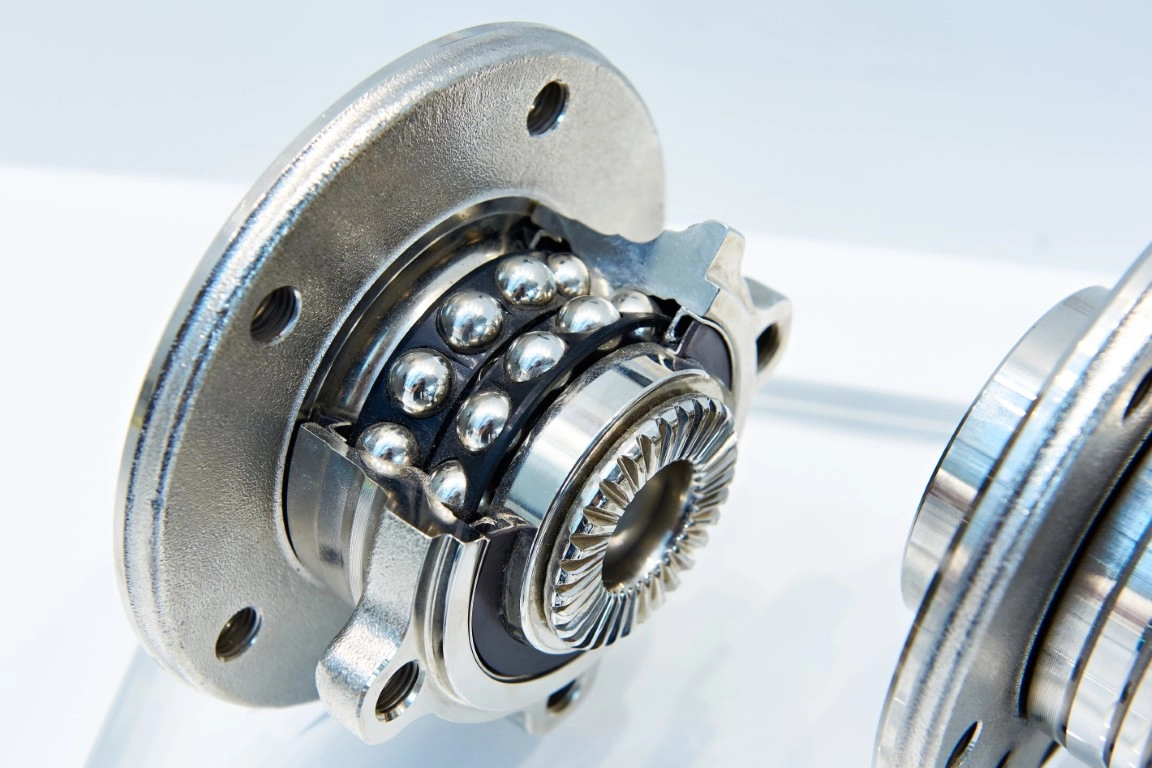
Wheel bearings play a crucial role in allowing your vehicle’s wheels to rotate smoothly while supporting the vehicle’s weight. They help maintain proper alignment and work alongside hubs, axles, brakes, and suspension components.
They typically last between 85,000 and 150,000 miles. As you drive, the wheel bearings naturally wear down, especially if they’re exposed to moisture or contaminants, you drive frequently on rough or unpaved roads, your vehicle has suffered collision damage, or you do a lot of heavy towing or hauling. It’s important to be on the lookout for warning signs of wear to avoid unsafe driving conditions and costly repair.
Keep reading to learn more about some common signs your wheel bearings may be failing so you can schedule a prompt inspection.
Sign #1: Humming, Growling, or Grinding Noise
A humming, growling, or grinding noise is the most common sign your wheel bearings are worn out. This sound typically increases with vehicle speed and may become louder when turning. It’s different from tire noise, remaining relatively consistent regardless of the type of pavement you’re driving on.
Sign #2: Steering Wheel Vibrations
Another sign to be on the lookout for is steering wheel vibrations. Damaged wheel bearings allow unwanted wheel movement, and this instability creates noticeable vibrations you can feel through the steering wheel. In severe cases, vibrations can be felt throughout the vehicle, not just on the steering wheel.
Sign #3: Loose or Wandering Steering
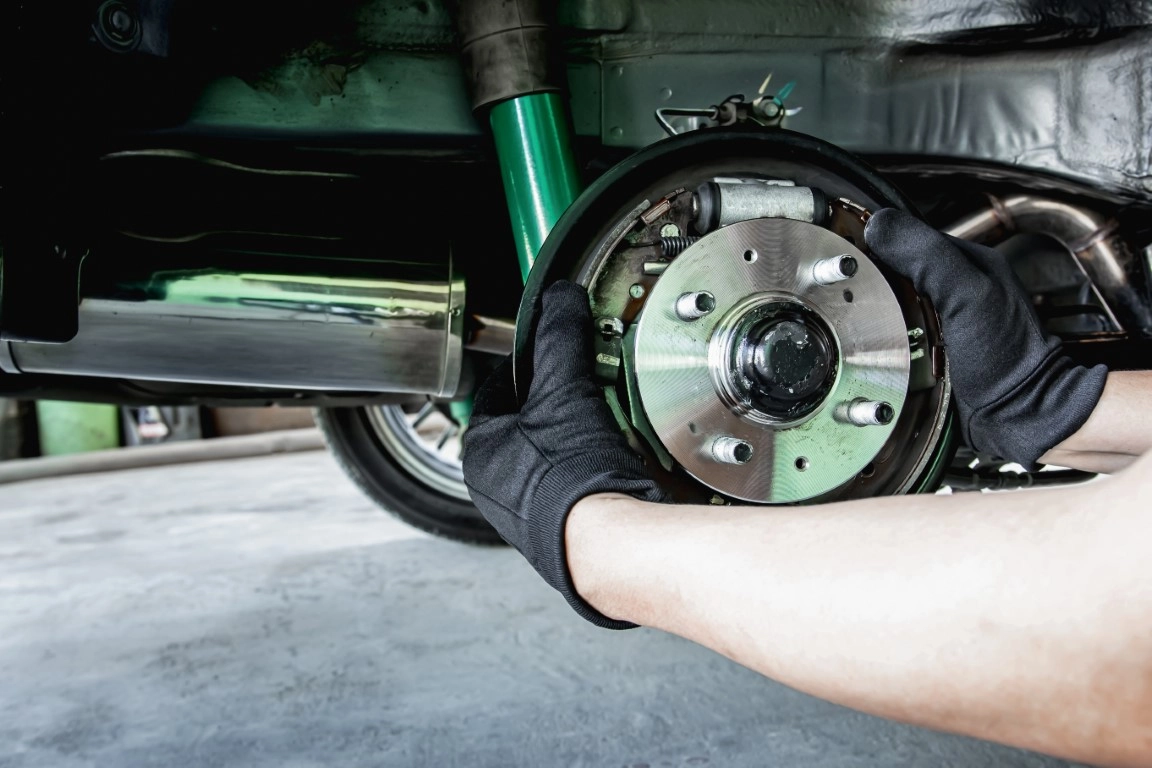
Worn wheel bearings can cause reduced steering precision, as well. Your vehicle may feel less responsive as you drive, almost like the steering wheel is loose. The vehicle may also drift to one side or the other more than usual. This can be a major safety concern — reduced control over your vehicle makes emergency maneuvers more difficult, increasing the risk of accidents.
Sign #4: Uneven Tire Wear
While alignment problems are known for causing uneven tire wear, they’re not the only possible cause. It’s also important to check wheel bearings along with suspension and steering components. Bad bearings mean loose wheels, which changes tire contact with the road. This can lead to irregular tread wear patterns on your tires and significantly shorten their lifespan.
Sign #5: ABS Warning Light
ABS stands for “anti-lock braking system”. It helps prevent wheels from locking during hard stops. If the ABS light is illuminated on your dashboard, it means the system has detected a malfunction, which could be related to the wheel bearings. Many bearings include integrated wheel speed sensors, and if the bearings are damaged, it can interfere with the sensor’s ability to take accurate readings, causing the ABS light to come on.
Sign #6: Clicking, Snapping, or Clunking Sounds
Listen for clicking, snapping, or clunking sounds during turns, which may be the result of worn bearings. These sounds can become more noticeable at lower speeds. Other possible causes include CV joints and suspension components, which is why it’s important to get a professional diagnosis to help identify the true source of the noise.
Sign #7: Wheel Looseness
A severely worn bearing allows the wheel to move more than it should, causing a feeling of looseness as you drive. This excessive movement affects braking, steering, and tire wear, and if you continue to drive on it, it may result in catastrophic wheel bearing failure. If you suspect this may be happening, seek a professional inspection to ensure your vehicle remains safe to drive.
What Happens If You Ignore a Bad Wheel Bearing?
If you ignore a bad wheel bearing, you risk progressive damage. As you keep driving, there will be additional stress on various parts of your vehicle, including the wheel hubs, tires, suspension components, and brake components. This increases the risk that you’ll need additional repairs besides wheel bearing replacement.
Furthermore, driving on bad wheel bearings comes with some serious safety risks, including a loss of steering precision, wheel seizure in extreme cases, and if failure becomes severe, potential wheel separation.
Can Wheel Bearings Be Prevented from Failing?
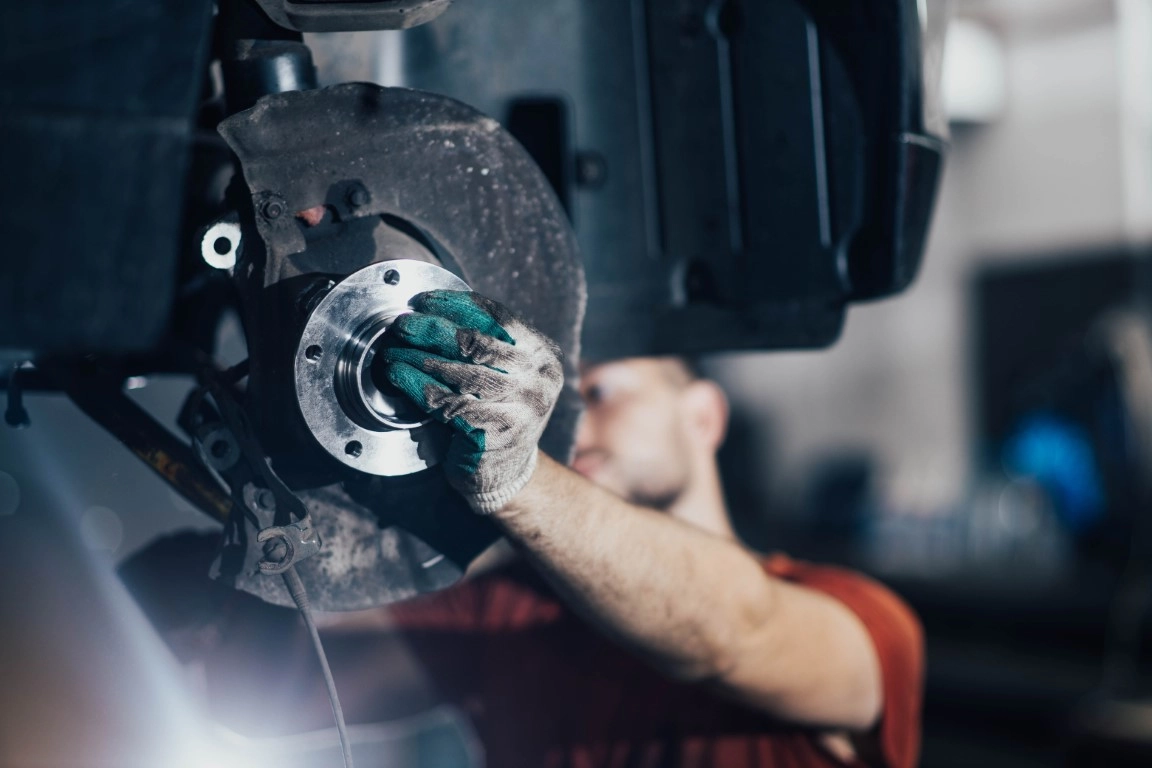
While wheel bearings don’t last forever, there are certain things you can do to extend their lifespan, including:
- Avoiding large potholes whenever possible
- Slowing down on rough roads
- Addressing unusual noises promptly
- Scheduling regular vehicle inspections
- Repairing damaged suspension components
Get Your Vehicle Inspected at Ray’s Muffler
At the first sign of trouble, bring your vehicle to Ray’s Muffler for an inspection. Our master technicians will determine whether there’s a problem with your wheel bearings and provide the reliable maintenance services you need. With your help, you can keep your vehicle operating safely and reliably.