
Have you ever been behind the wheel of a car that drives smoothly while around town but vibrates once you reach highway speeds? You may have dismissed it as nothing to worry about. However, this isn’t normal — it can be caused by anything from a relatively simple tire issue to a more significant problem involving the suspension, steering, or drivetrain.
Whatever the cause is, you shouldn’t ignore vibration. Over time, underlying issues can cause premature tire wear, additional suspension damage, poor handling, and reduced braking performance, all of which can require expensive repairs. Furthermore, some causes can create significant safety risks.
If your car vibrates while driving, keep reading to learn some possible causes and how to determine what the problem is.
Non-Mechanical Causes
First, rule out non-mechanical problems such as snow or ice packed into wheels, mud, debris, or rough or damaged pavement. Check the wheels for visible buildup if vibration begins after driving in winter conditions. If the vibration persists on clean, smooth roads, it’s a good idea to have your vehicle inspected.
Tire and Wheel Problems
A common cause of vibration is tire and wheel problems, including:
- Unbalanced tires: An imbalance in the tire-and-wheel assembly can create vibration at higher speeds. Fortunately, professional tire balancing can correct many of these issues.
- Uneven or irregular tire wear: Cupping, scalloping, and uneven tread can cause vibration. This irregular wear can be caused by alignment and suspension problems.
- Damaged tires: Bulges, flat spots, tread separation, and other tire damage can cause vibration.
- Bent wheels: A bent wheel can prevent the tire from rotating smoothly, leading to vibration.
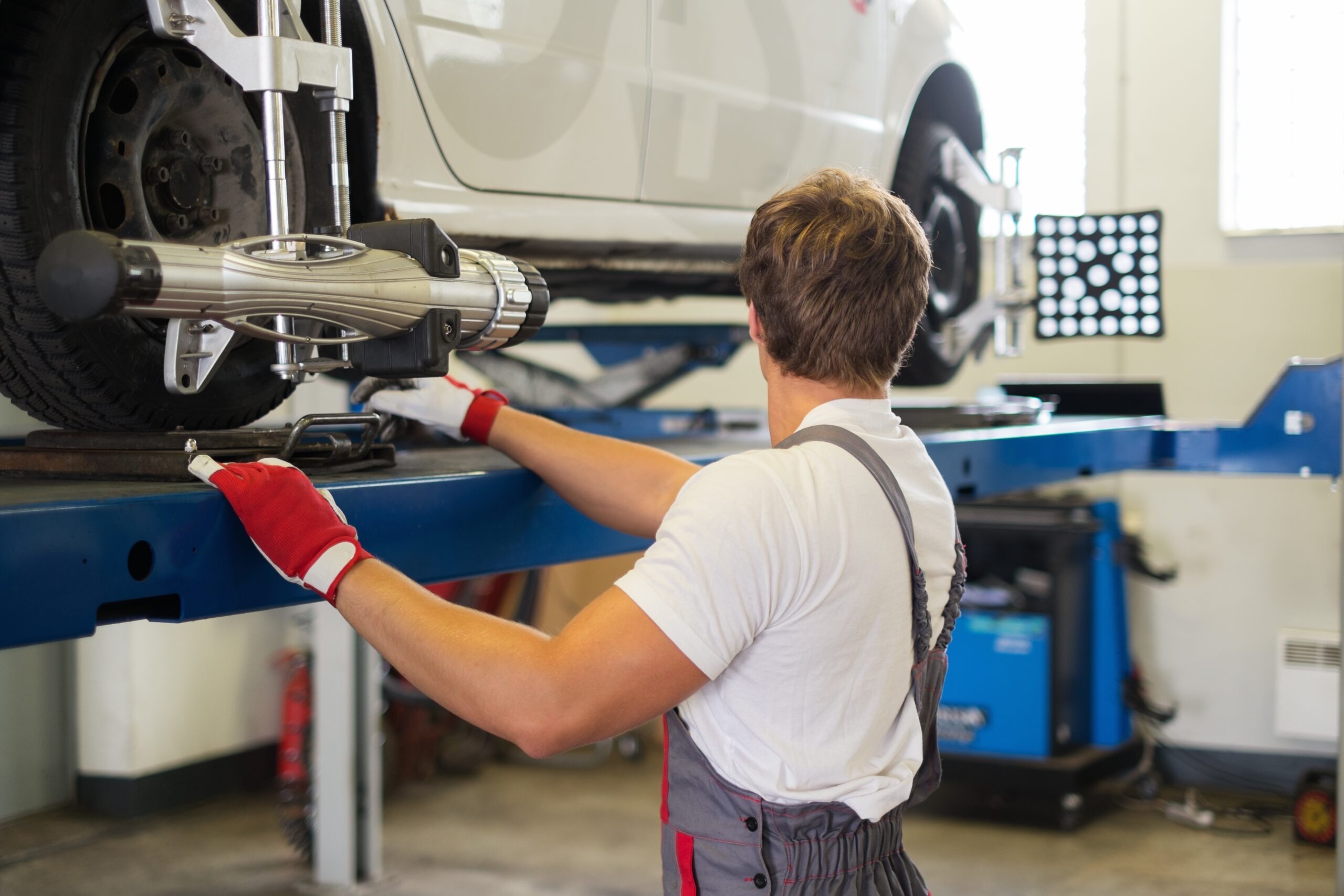
- Wheel alignment issues: Proper wheel alignment ensures tires are pointed correctly and make proper contact with the road. Hitting potholes or curbs can knock them out of alignment, causing vibration or shaking.
Worn Suspension Components
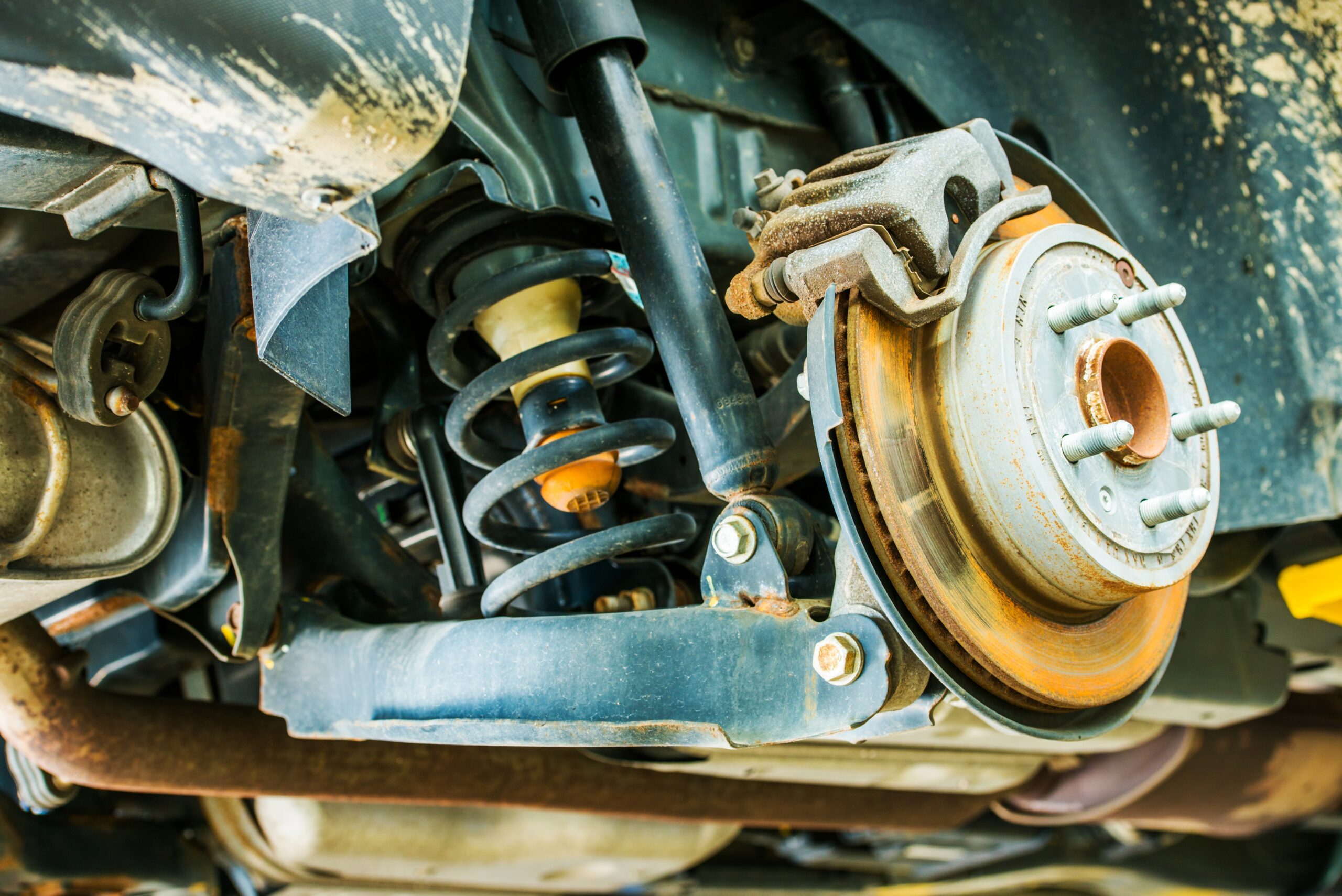
Worn shocks or struts can allow excessive bouncing and reduce consistent tire contact with the road, contributing to irregular tire wear and vibration. Damaged control arms, ball joints, and bushings can contribute, as well. In addition to causing your care to vibrate at highway speeds, suspension issues can become safety concerns if ignored.
Problems With Steering Components
Problems with steering components can create instability, causing your vehicle to vibrate. Be on the lookout for warning signs such as loose steering, wandering, clunking noises, or uneven tire wear. Additionally, it’s a good idea to get a professional inspection whenever steering behavior changes.
Brake-Related Vibration
Vibration that occurs primarily when applying the brakes points toward a potential brake-system issue. When brake rotors are uneven or have developed excessive variation in thickness, you may feel the vibration through the steering wheel or brake pedal.
Drivetrain and Axle Problems
Drivetrain and axle problems can also cause your vehicle to vibrate. Worn or damaged CV axles can cause shaking, particularly while accelerating, along with clicking or clunking noises.
If you have a real-wheel-drive or four-wheel-drive vehicle, worn U-joints or a driveshaft imbalance can cause vibration, which may change depending on the vehicle’s speed.
Additionally, worn engine and transmission mounts can allow excessive movement. You may notice vibration at certain speeds, during acceleration, or even while stopped.
What to Do If Your Car Starts Vibrating
If you notice your car suddenly start vibrating, slow down and avoid continuing at high speeds. When it’s safe, pull over and look for obvious tire damage or a flat tire. If you can’t determine the source of the issue or if the vibration began immediately after hitting a pothole or curb, schedule an inspection with a certified automotive technician. They’ll likely check the tires and wheels, alignment, suspension, steering, brakes, and drivetrain to determine the cause of the vibration and let you know what repairs or maintenance are needed.

Does Your Car Vibrate? Leave It to Ray’s Muffler
Vibration is a symptom rather than a specific diagnosis. In order to get to the bottom of the issue, you need help from the expert technicians at Ray’s Muffler. We can check for tire imbalances, uneven tire wear, damaged wheels, alignment problems, worn suspension or steering components, brake issues, and drivetrain problems to determine the source of the vibration before it has the chance to worsen or cause a safety issue.
Don’t just continue to drive your vibrating vehicle and hope the problem goes away. Contact Ray’s Muffler today for help.