Call Us Today! (801) 292-4731
Ray's Muffler Service Bountiful Utah Car Maintenance

Ray's Muffler Service

  • Auto Repairs
    • AC Repair & Service
    • Cooling Systems
    • Brakes
    • Car Diagnostics
    • Timing Belts
    • Exhaust and Mufflers
    • Steering and Suspension
    • Transmission Repairs
    • Napa Service Assistant
  • Car Maintenance
    • Oil Changes
    • Emissions and Inspections
    • Belts and Hoses
    • Fluid Levels
  • Financing
  • Specials
  • About
    • Blog
  • Contact

Is It Really So Important to Rotate Your Tires Regularly?

Home|Archives forAuto Repair Shop

When the mechanic asks if you’d like to rotate your tires, what goes through your mind? “What does that even mean?” “Didn’t I just get that done?” “Absolutely, yes, thank you for doing that.” Sometimes the mechanic doesn’t ask, and the process is included on the receipt after an oil change. 

The truth is that rotating your tires is a significant step in preserving the longevity of your tires. By evening out the tread across all four, the process makes for a safer and better vehicular performance. To keep yourself safe and to keep your vehicle in peak condition, you must be sure to regularly rotate your tires. 
rotate your tires

What Does It Mean to Rotate Your Tires?

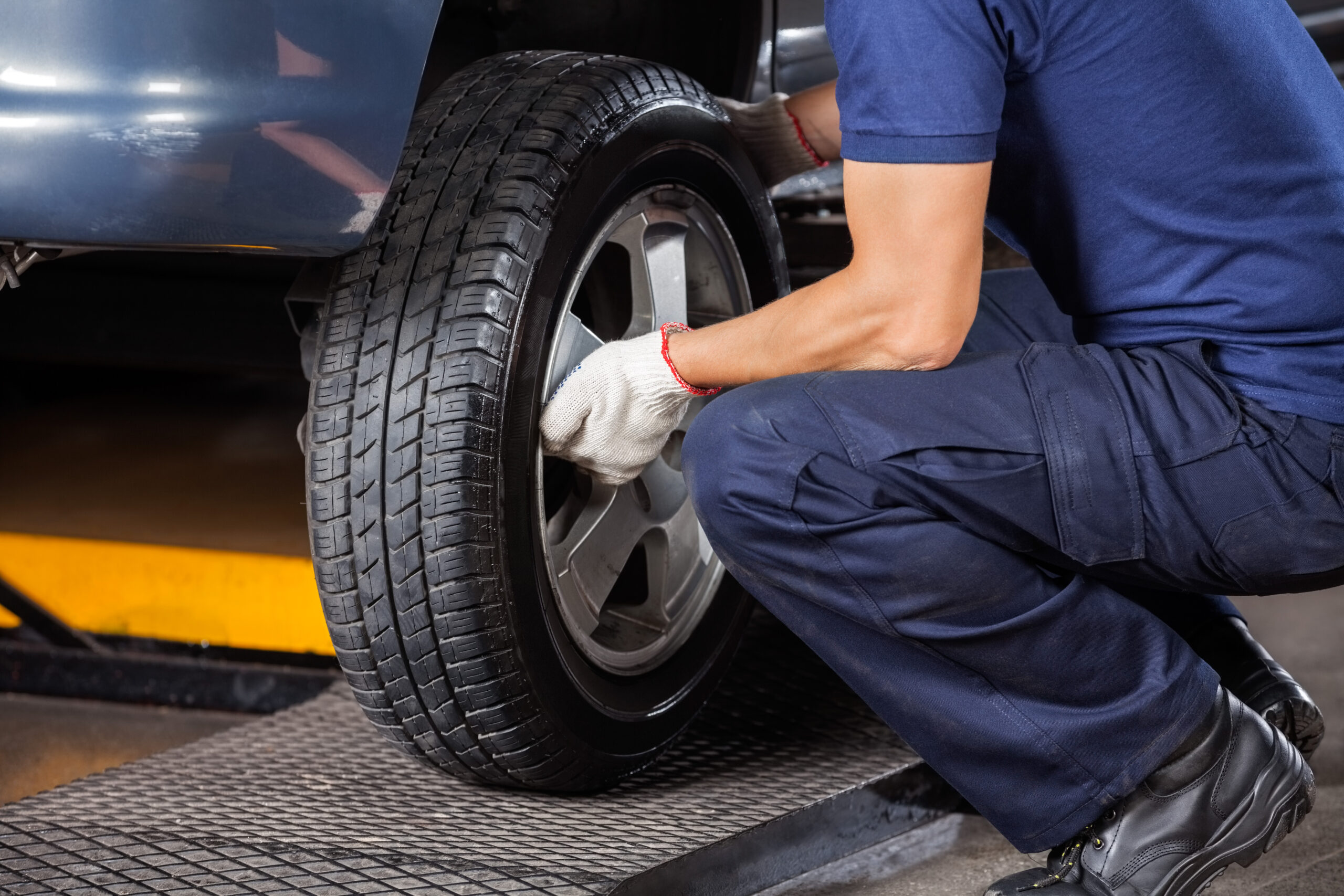
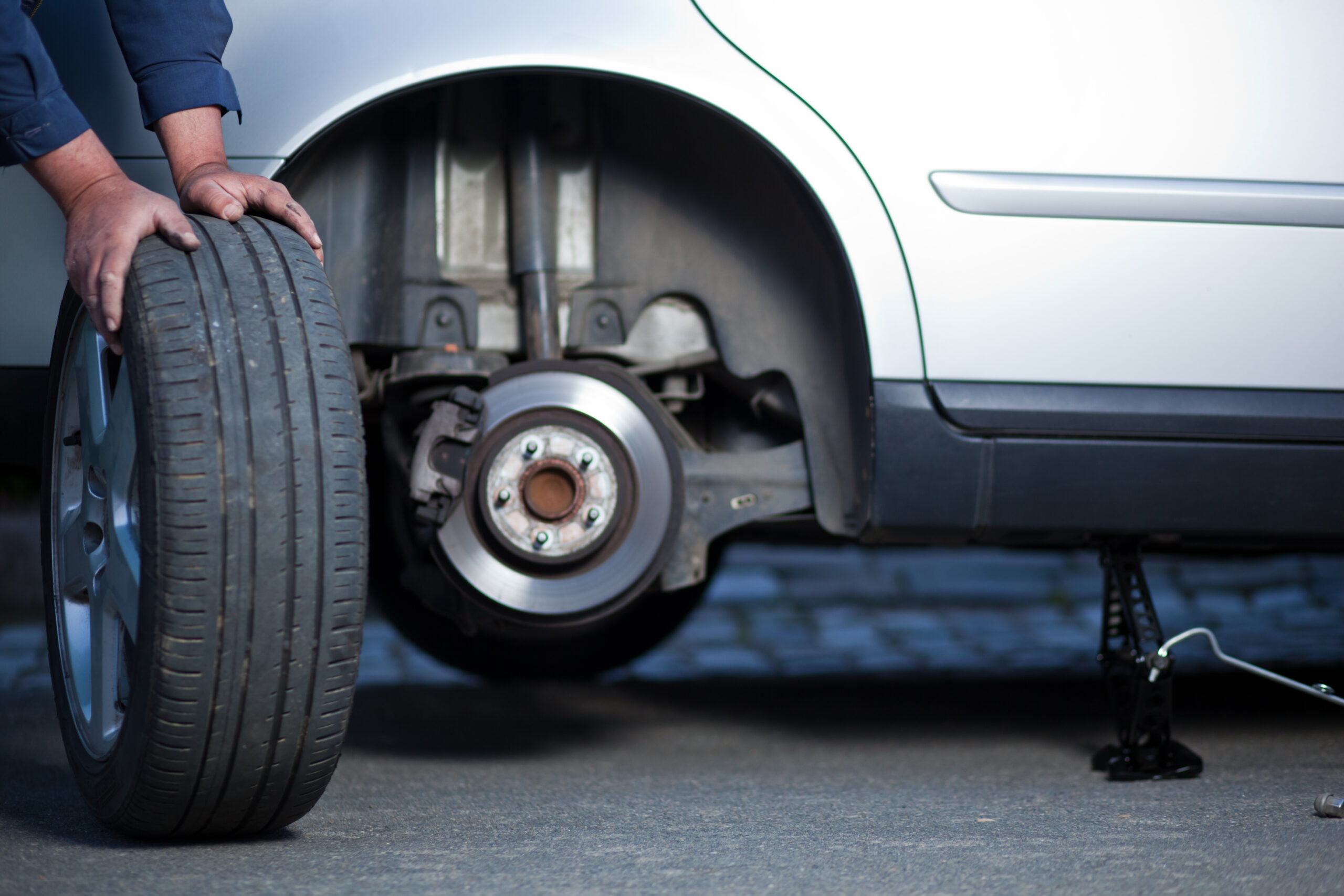
Rotating your vehicle’s tires is the process of moving each of them to different positions on your vehicle. Because front and rear tires wear down at different rates, this should be done periodically for best results. It is common to take care of the process when you get your vehicle’s oil changed. 

Tire rotation is performed systematically. While the patterns on how each tire is removed and replaced vary, the idea is to move the front tires to the back (and vice versa) and to move the left tires to the right (and vice versa). By doing this, the tires with the most wear on the inside edge can spend time wearing down the outside of the tire. 

Tires on a car with front-wheel drive, unsurprisingly, wear out more quickly on the front of the car. They take the brunt of the friction and torque of the vehicle as it turns, brakes, and accelerates. Rotating such tires to the back after a certain amount of usage evens out the damage. The reverse is true for cars with rear-wheel drive, and the result of rotating your tires on that kind of vehicle is the same.

A person’s driving habits and the terrain on which the vehicle is frequently driven have a profound effect on tire wear as well. If a driver tends to slam on the brakes, that will be reflected in how evenly (or, rather, unevenly) the tread wears down. The weight distribution of the car also plays a role.
rotate your tires

Is Tire Rotation Necessary?

In terms of the vehicle itself, there are no cons to getting your tires rotated systematically. The process maximizes the life of your tires, allowing them to wear down evenly. This also allows you to save money because the intervals between when tires need to be replaced is longer than if you don’t rotate your tires.

Regularly rotating your tires means better performance of those tires and, consequently, a safer and smoother ride. Even tread gives you better traction on the road, meaning your vehicle is less likely to skid or slip or hydroplane. This also makes for a more fuel-efficient ride, which can only be exciting with gas prices being what they are. Rotating your tires regularly also provides the opportunity to check their tread depth, visually inspect them for damage, monitor their air pressure, and have them rebalanced if the need arises.

How Often Should You Rotate Your Tires?

The general recommendation is that you rotate your tires every 5,000 to 7,500 miles. The exact mileage right for your make, model, and year will be included in your car’s manual, taking into account your vehicle’s system (front-, rear-, or all-wheel drive) and the kind of transmission (automatic or manual) it has. A mileage value is more beneficial than a temporal one, because even if you don’t drive much, you still have a relevant metric to know when to take your car in and have the tires rotated.

Many mechanics will rotate your tires as part of an oil change service, at no extra cost. In other cases, tire rotation costs may be covered by warranty if you purchased the tires from the autobody shop in question. Check with your preferred mechanic to discover the policy in place. 
rotate your tires

What Does It Mean to Balance Your Tires?

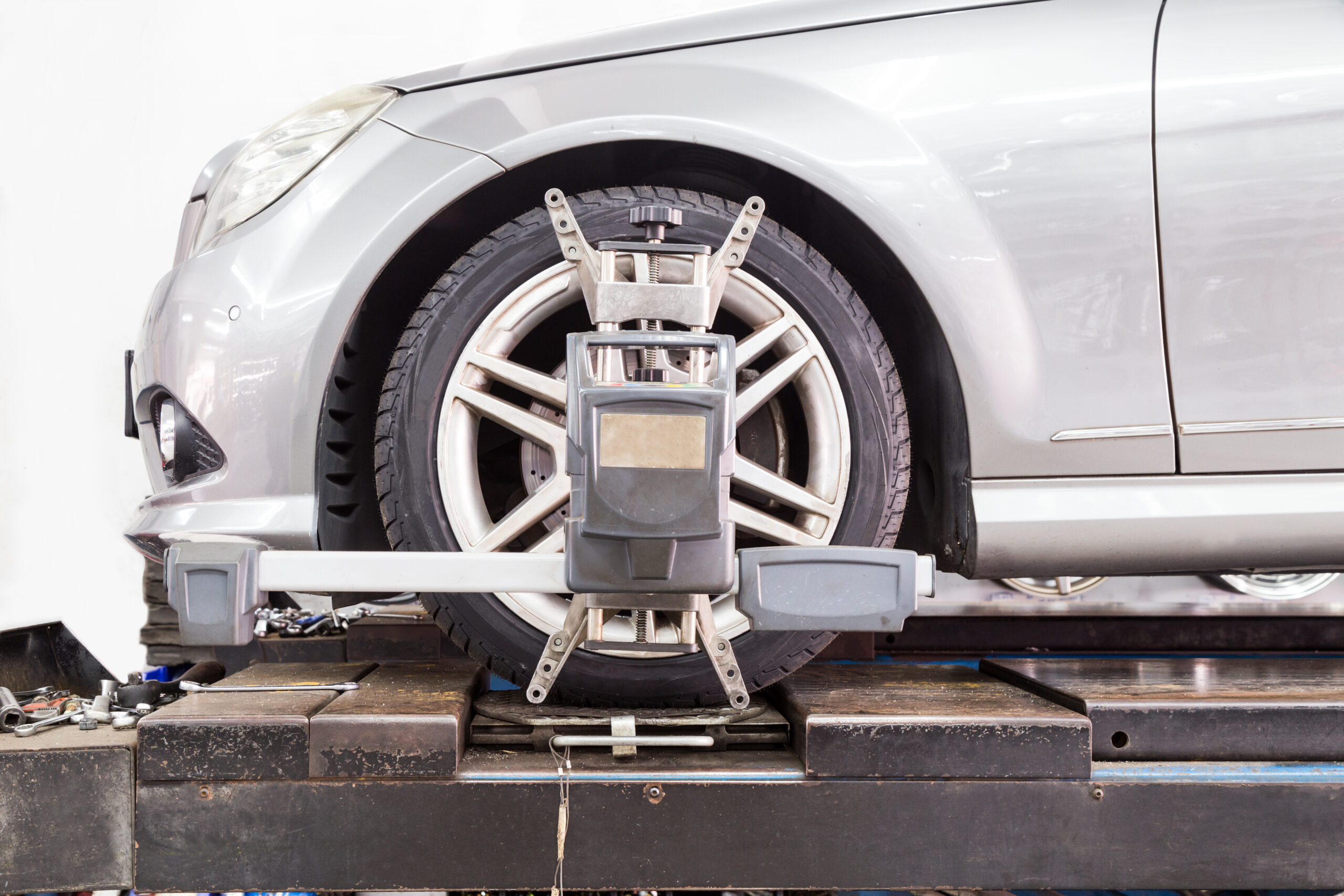
During the tire balancing process, the weight imbalance on tires and wheel assemblies are measured and corrected. This is different from an alignment, which adjusts the angles at which the tires contact the road, ensuring they are even and effective. Tires are not evenly weighted, and balancing them makes sure the heavy spot of the tire and wheel assembly is counteracted to eliminate vibration. If this is not done correctly, or when the process needs to be completed, you may feel such vibrations as you handle the steering wheel. It is wise to check your tires’ balance when you rotate your tires.
Filed Under: Auto Repair Shop

Getting an oil change is one of those little chores that keeps coming back around. “Didn’t I just get that changed?” is a common question when the check engine light comes on. Because it’s a task that never seems done, how bad can it really be to put off for a few hundred miles more?

oil change

What Does the Oil in My Car Do?

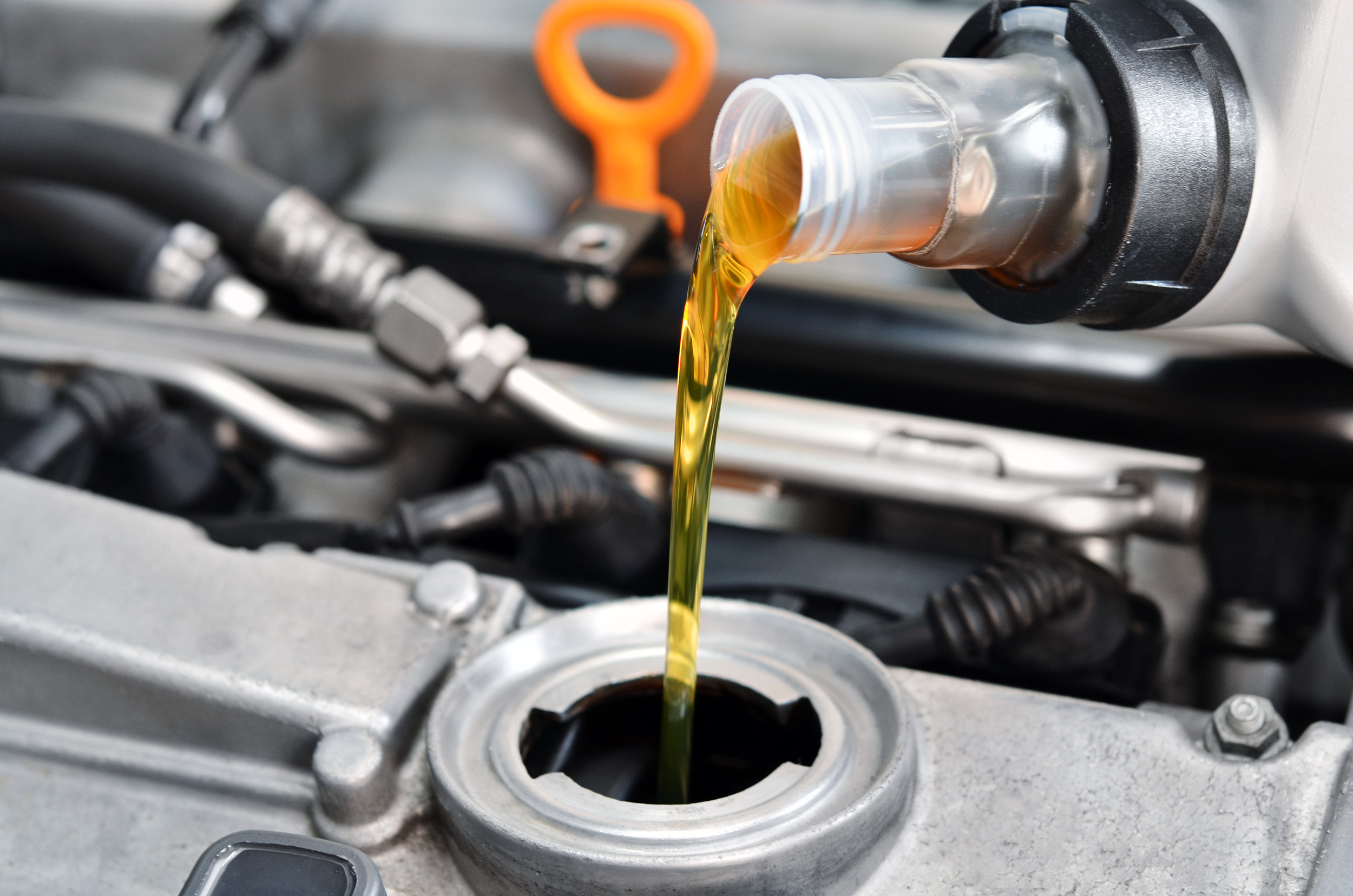
Oil is the lifeblood of a vehicle. In its purest form, it operates as a lubricant and it absorbs heat produced by the engine. It flows through an engine’s lubrication system to the motor to ensure efficient engine performance. Oil is stored in the system’s oil pan before it moves through oil galleries to the oil pump, through a filter to remove any impurities from the oil, and through the motor.

As the oil progresses, it leaves behind a film which minimizes friction and allows all of the engine’s components to move smoothly. This cuts down on component wear, extending a vehicle’s service life. Because of its role, oil breaks down over time and use. When oil stops being the color of honey and more like the hue of dirty road runoff, you know it’s time for an oil change. 

When Should I Change My Oil?

3,000 miles has historically been the hinge point for changing out a vehicle’s oil. However, with improvements in engine efficiency, build tolerances, and the general quality of oils, oil life is, as a general rule, dramatically extended. It is now more common for a vehicle to run for 5,000 or even 10,000 miles (depending on the oil used) before a change is needed. This is especially true if a vehicle takes synthetic oil.

The exact range your vehicle will go before an oil change is necessary is dependent on many factors. A vehicle’s efficiency suffers if it frequently tows heavy loads or spends a lot of time in stop-and-go traffic. Your vehicle’s operator’s manual will offer recommendations on which oil to use and the mileage at which you should change your oil.

oil change

What Happens if I Wait Too Long for an Oil Change?

If you’ve ever driven way past your recommended oil change mileage and been fine, it’s easy to assume that the sticker the mechanic places in your window is just a trick to get more business. However, not getting an oil change in a timely manner can be highly detrimental to your vehicle. As oil breaks down, it loses its lubrication efficacy and it does not absorb heat properly.

Run Inefficiently

The entire purpose of motor oil is to improve the efficiency of your vehicle. Only oil that has not been thoroughly degraded can efficiently lubricate the engine and absorb heat produced by the engine working. Your car will run better if you change the oil regularly.

Warp the Engine

If oil is too degraded to properly absorb heat, the pieces of the engine can warp as they are not designed to withstand such temperatures for long periods of time. Depending on the severity of the damage, warped engine components or the entire engine will need to be replaced.

Void the Warranty

Neglecting to attend to timely oil changes is considered negligence when it comes to warranties. If you put off an oil change for too long, it may completely void your vehicle’s warranty, especially if you bought it new.

Engine Failure

If you put off changing your oil long enough, your engine, left without any lubricant, will lock up completely. When this happens, the engine has to be replaced. Replacing an engine can cost thousands of dollars. 

oil change

Oil Changes at Ray’s Muffler

Driving your vehicle a couple of hundred miles past the maintenance schedule isn’t likely to lead to dramatic problems. That being said, if you forget and run a thousand or more miles over or if your vehicle is running low on oil, your engine will suffer. The oil is there to improve the efficiency of your engine, so making sure it is at the proper levels and is relatively pure can only improve your driving experience. 

Regular maintenance can also allow you to catch any engine or oil problems early on, which could save you thousands of dollars in repairs. While oil changes rarely crop up at convenient times, they are more convenient than being without a car while it gets repaired or replaced. If it’s time for your vehicle to get an oil change, come see us at Ray’s Muffler.

Filed Under: Auto Repair Shop

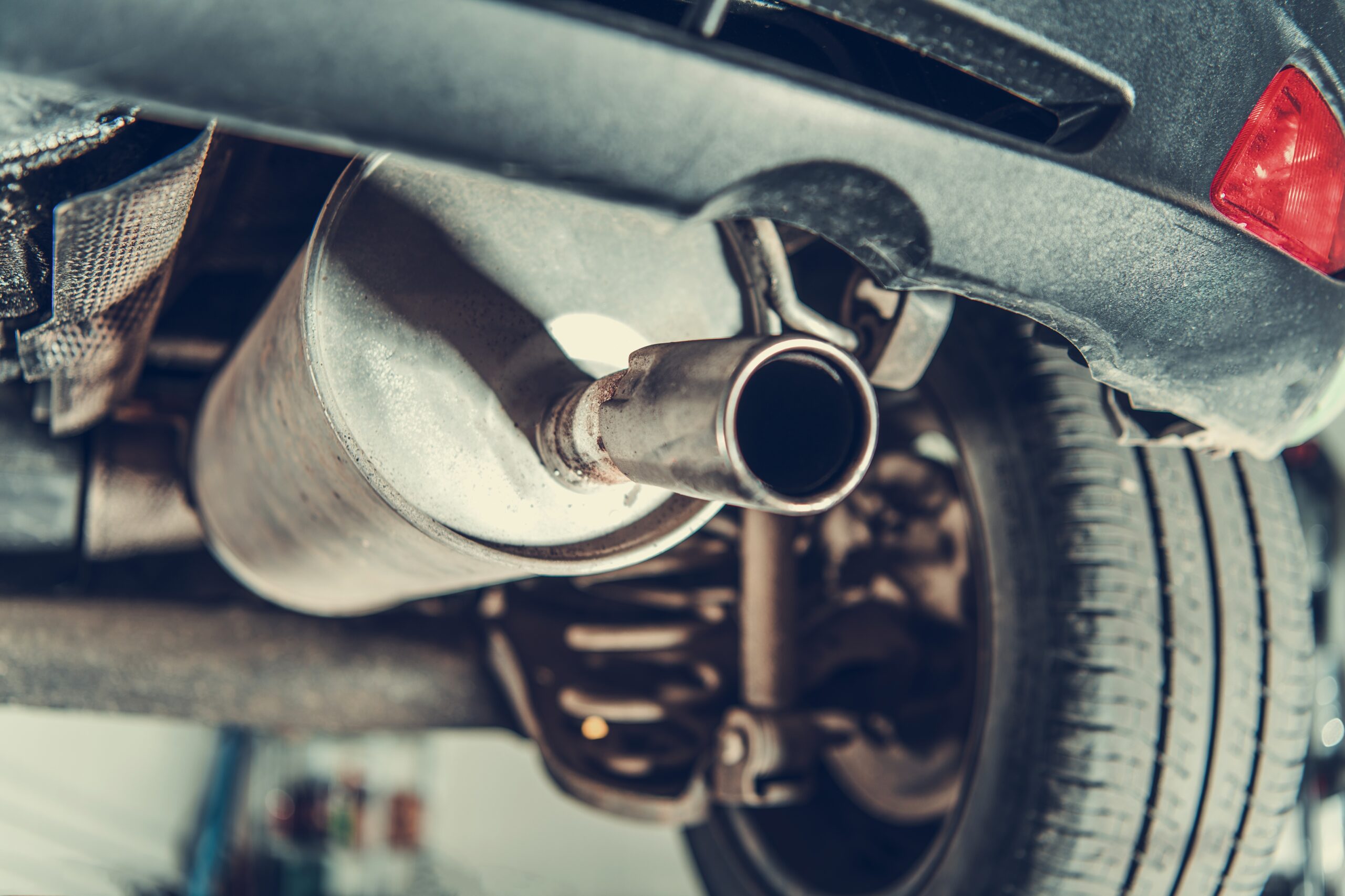
Your muffler sits on the underside of your vehicle near one of the rear tires. It is the penultimate part of the exhaust system, right before the tailpipe. Its purpose is to dampen the sound of your engine in operation, and a muffler works to accomplish this by some pretty clever science. 

Muffler Work

How Does a Muffler Reduce Noise?

As part of the exhaust system, part of a muffler’s job is to expel the toxic gases produced by a vehicle’s engine, but the process operates on a “waste not, want not” philosophy. Through a little physics, a muffler works with the gases that form during vehicular operation to cancel out the soundwaves that also form. 

A Word on Waves

Sound moves in waves. Like the 9-footers off the north shore of Oahu, sound waves follow an alternating pattern of high and low pressure. The distance between where the pattern repeats is called the wavelength, and when exactly opposite waves collide, they cancel each other out. For example, when one wave’s low pressure point matches up exactly with another’s high pressure point, they cancel each other out. This principle is called destructive interference, and mufflers use it to give you a quieter ride.

How Does a Muffler Work with Waves?

A muffler works by using a series of chambers and tubes to facilitate destructive interference between sound waves. Gases and sound waves from the engine enter the muffler and travel through an internal labyrinth. Along the way, some of the pressure of the waves escapes through perforations in the piping into the body of the muffler, where these little waves bounce around and cancel each other out. 

In the central resonator chamber, sound waves enter at speed and bounce off the back wall, where they collide with incoming waves. This forces them to, you guessed it, cancel each other out. This is the primary purpose of a vehicle’s muffler, and even the material used to make a muffler serves to aid in destructive interference. It is an efficient way to minimize the sound of the engine that escapes to reach our ears. If your muffler isn’t dampening your vehicle’s operational sounds, it may be time to get it checked out.

Muffler Work

What’s a Muffler Made of?

A muffler needs to be hardy in order to withstand the heat and chemicals released from a vehicle’s exhaust system. It also needs to be designed to absorb some sound waves while reflecting others. To this end, the pieces of a muffler are usually made of steel and coated with aluminum:

Inlet — As its name implies, the inlet is the source from which gases and sounds enter the muffler from the exhaust system. 

Resonator — The length of the resonator chamber is precisely designed so that the sound waves produced by the reverberation happening inside cancel out the sound waves produced by the engine. It works as a sort of echo chamber to reduce the overall sound volume. 

Perforated tubes — Metallic tubes inside the muffler direct the passage of exhaust and sound through the muffler. The pressure of sound waves is released through the tiny holes in the tubes, suppressing sound and controlling the volume.

Outlet — From the outlet, exhaust and any residual sound escape the vehicle and add to a city’s personality.

What Is a Muffler Delete?

A muffler delete is the process of removing the traditional muffler from a vehicle and replacing it with a muffler delete pipe. These are specifically designed not to reduce a vehicle’s volume, but to emphasize it or alter it to sound more growly. In the past, the modification improved a vehicle’s performance since it allowed the engine to operate unobstructed, but modern regular mufflers are not as restrictive as they used to be, so a muffler delete is now a matter of preferring sound more than anything else.

Muffler Work

What if My Muffler Breaks?

Because a muffler works in part to release the toxic fumes that are formed while an engine runs, damage to the muffler can result in more than just obnoxious noise. If exhaust can’t exit the vehicle properly, people can even be seriously hurt. Mismanagement of fumes can also leave your car smelling foul. If your muffler is broken, your fuel economy is likely to suffer, since a muffler working properly can process exhaust quickly and improve an engine’s performance.

How Long Will a Muffler Work?

Without damage, a vehicle’s muffler should last for around two to four years or 40,000 to 80,000 miles with typical driving conditions. That number is reduced in wet or humid climates. In places like Utah where snow and salt make a frequent appearance on road systems, mufflers should be checked more frequently. If you want to check that your muffler works as it should, come see us at Ray’s Muffler today.

Filed Under: Auto Repair Shop

  • « Previous Page
  • 1
  • …
  • 14
  • 15
  • 16
  • 17
  • 18
  • …
  • 22
  • Next Page »

Coupons

coupon

Contact Us

Ray's Muffler Service 792 South 500 West Bountiful, UT 84010

Hours

Hours: Monday - Friday: 7am-6pm Saturday: Closed Sunday: Closed

Ray’s Muffler Service

Ray’s Muffler Service
792 South 500 West
Bountiful, UT 84010
Phone: (801) 292-4731
Monday 7:00 AM - 6:00 PM
Tuesday 7:00 AM - 6:00 PM
Wednesday 7:00 AM - 6:00 PM
Thursday 7:00 AM - 6:00 PM
Friday 7:00 AM - 6:00 PM
Saturday Closed
Sunday Closed

Credit

Contact Us

Ray's Muffler Service 792 South 500 West Bountiful, UT 84010 Hours: Monday - Friday: 8am-6pm Saturday: Closed Sunday: Closed

Follow Us

Facebooktwitterpinterestlinkedinyoutubeinstagram
View us on Yelp

Financing Available

2023 | Ray's Muffler Service | All Rights Reserved | Privacy Policy | Terms | XML Sitemap | Sitemap | Site by PDM