Call Us Today! (801) 292-4731
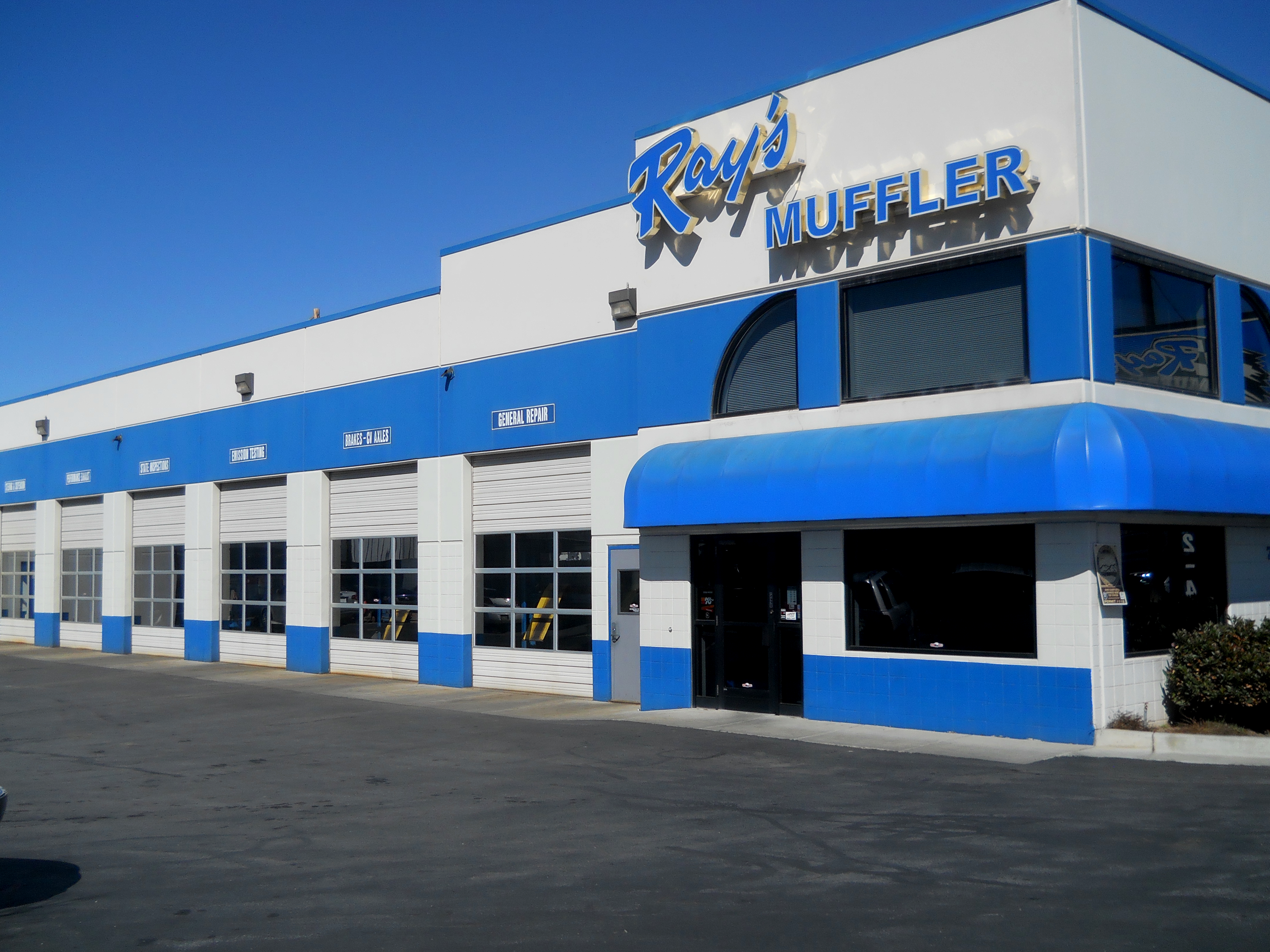
Ray's Muffler Service Bountiful Utah Car Maintenance

Ray's Muffler Service

  • Auto Repairs
    • AC Repair & Service
    • Cooling Systems
    • Brakes
    • Car Diagnostics
    • Timing Belts
    • Exhaust and Mufflers
    • Steering and Suspension
    • Transmission Repairs
    • Napa Service Assistant
  • Car Maintenance
    • Oil Changes
    • Emissions and Inspections
    • Belts and Hoses
    • Fluid Levels
  • Financing
  • Specials
  • About
    • Blog
  • Contact

Why Your Car Pulls to One Side and How to Fix It

Home|Archives forAuto Repair Shop
car pulls, Bountiful

If your car drifts left or right when you’re trying to drive straight, it’s a sign that something isn’t working the way it should. Many drivers notice this problem gradually, often brushing it off as a road issue or wind. But when your car pulls consistently to one side, it’s usually pointing to an underlying mechanical issue that deserves attention.

At Ray’s Muffler, we see this concern often, and the good news is that most causes are common, diagnosable, and fixable. Understanding why your car pulls to one side can help you catch problems early, stay safe on the road, and avoid more expensive repairs down the line.

What It Means When Your Car Pulls to One Side

When a car pulls to one side typically means there is an imbalance somewhere in your tires, brakes, alignment, or suspension. You may notice it most when driving at higher speeds, braking, or releasing the steering wheel briefly on a straight road. In some cases, the pull might feel subtle at first but worsen over time.

Ignoring when your car pulls can lead to uneven tire wear, reduced handling, and increased strain on other vehicle components. More importantly, it can affect your ability to react quickly in emergency situations, making it a safety concern rather than just a comfort issue.

Essential Guide to Wheel Alignment After an Impact or Collision

Common Causes of a Car Pulling to One Side

Here’s a description of some of the most common causes of a car pulling to one side:

Tire-Related Issues

Tires are one of the most common reasons a vehicle pulls to one side. Uneven tire pressure can easily cause a pull, even if the difference seems minor. A tire with lower pressure creates more rolling resistance, which causes the car to drift in that direction.

Uneven tire wear is another frequent culprit. Worn tread, cupping, or mismatched tires can disrupt balance and alignment. In some cases, internal tire damage or a defective tire can cause pulling even when tread looks fine on the surface.

Wheel Alignment Problems

Wheel alignment issues are a leading cause of vehicle pulling. Alignment determines how your tires meet the road, and even slight misalignment can cause noticeable drifting. Hitting potholes, curbs, speed bumps, or road debris can knock your wheels out of alignment without you realizing it.

Signs of alignment problems often include uneven tire wear, a crooked steering wheel, or difficulty keeping the car straight. Left untreated, alignment issues can shorten tire life and affect steering control.

Brake Issues

Brake problems can also cause pulling, especially when slowing down or stopping. A sticking brake caliper may apply pressure to one wheel more than the other, causing the vehicle to pull toward the affected side.

Uneven brake pad wear or warped brake components can create drag on one wheel, leading to pulling and reduced braking performance. Brake-related pulling should be addressed quickly, as it directly impacts safety.

Suspension or Steering Problems

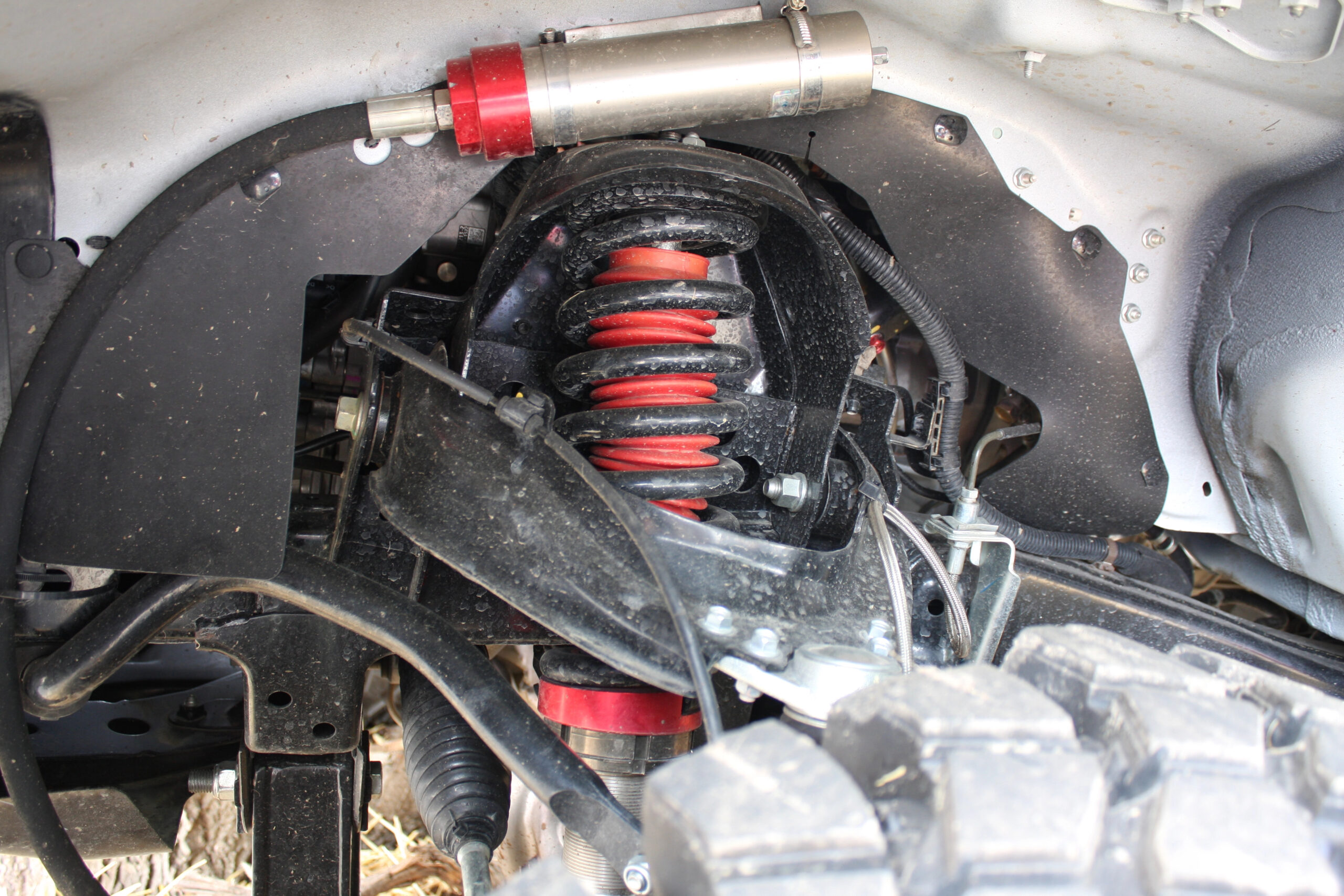
Worn or damaged suspension and steering components can cause instability and uneven handling. Parts such as ball joints, control arms, tie rods, and bushings play a critical role in keeping your vehicle stable and aligned.

When these components wear out, they can allow excessive movement, causing the car to drift or pull. Suspension issues may also cause clunking noises, uneven tire wear, or a loose steering feel.

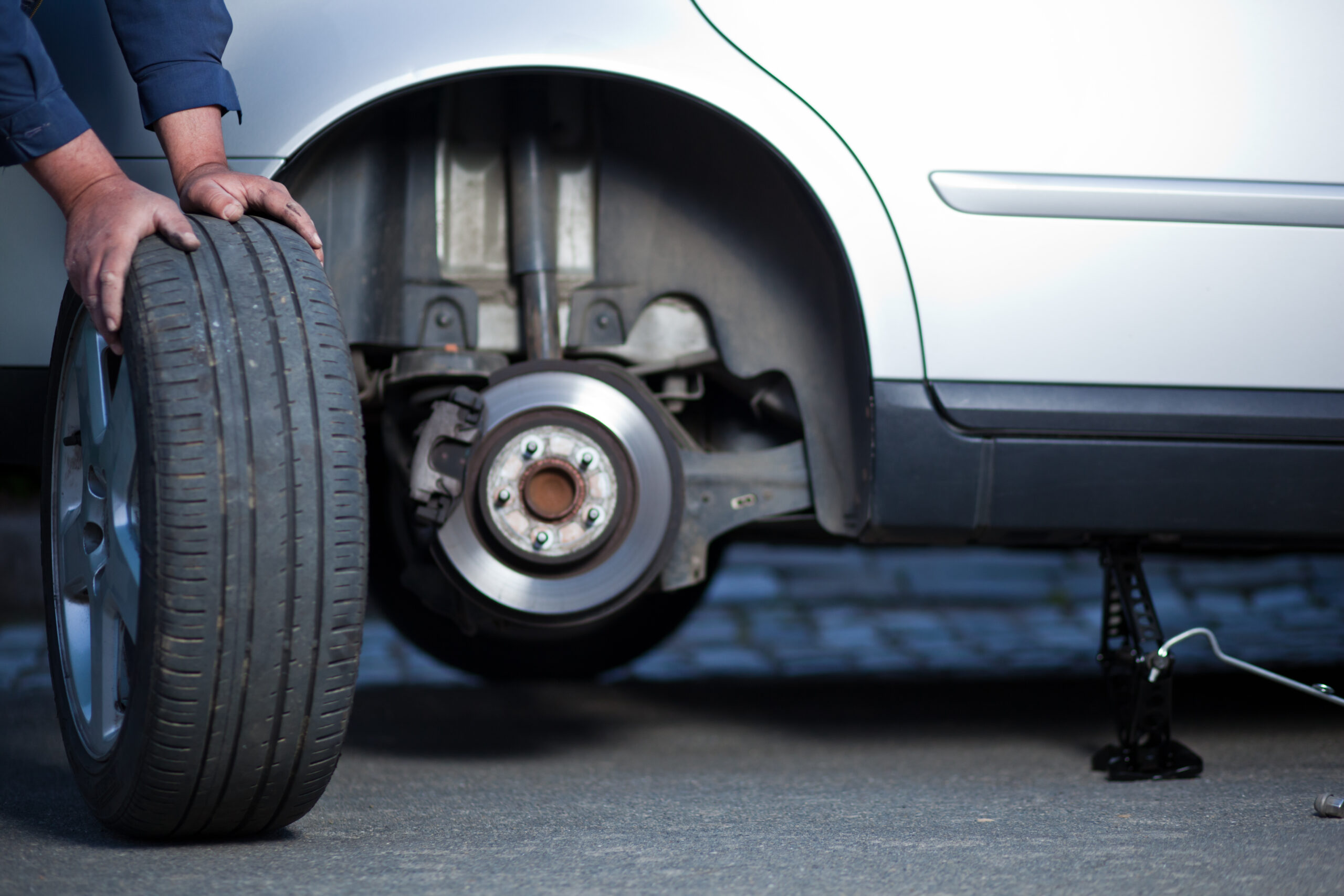
Why Your Car Pulls to One Side and How to Fix It

How to Tell What’s Causing the Pull

There are a few simple checks drivers can do before bringing their vehicle in. Checking tire pressure and ensuring all tires are inflated evenly is a good first step. Pay attention to when the pulling occurs (during braking, at high speeds, or all the time), as this can help narrow down the cause.

However, many underlying issues aren’t visible without proper equipment. Professional diagnostics are often necessary to identify alignment issues, brake problems, or worn suspension components accurately.

Why Prompt Repairs Matter

Driving with a vehicle that pulls to one side can lead to faster tire wear, reduced fuel efficiency, and additional stress on steering and suspension components. Over time, a small issue can turn into a much larger and more expensive repair.

Addressing the problem early improves safety, restores proper handling, and helps your vehicle perform the way it was designed to. It also saves money by preventing unnecessary wear and tear.

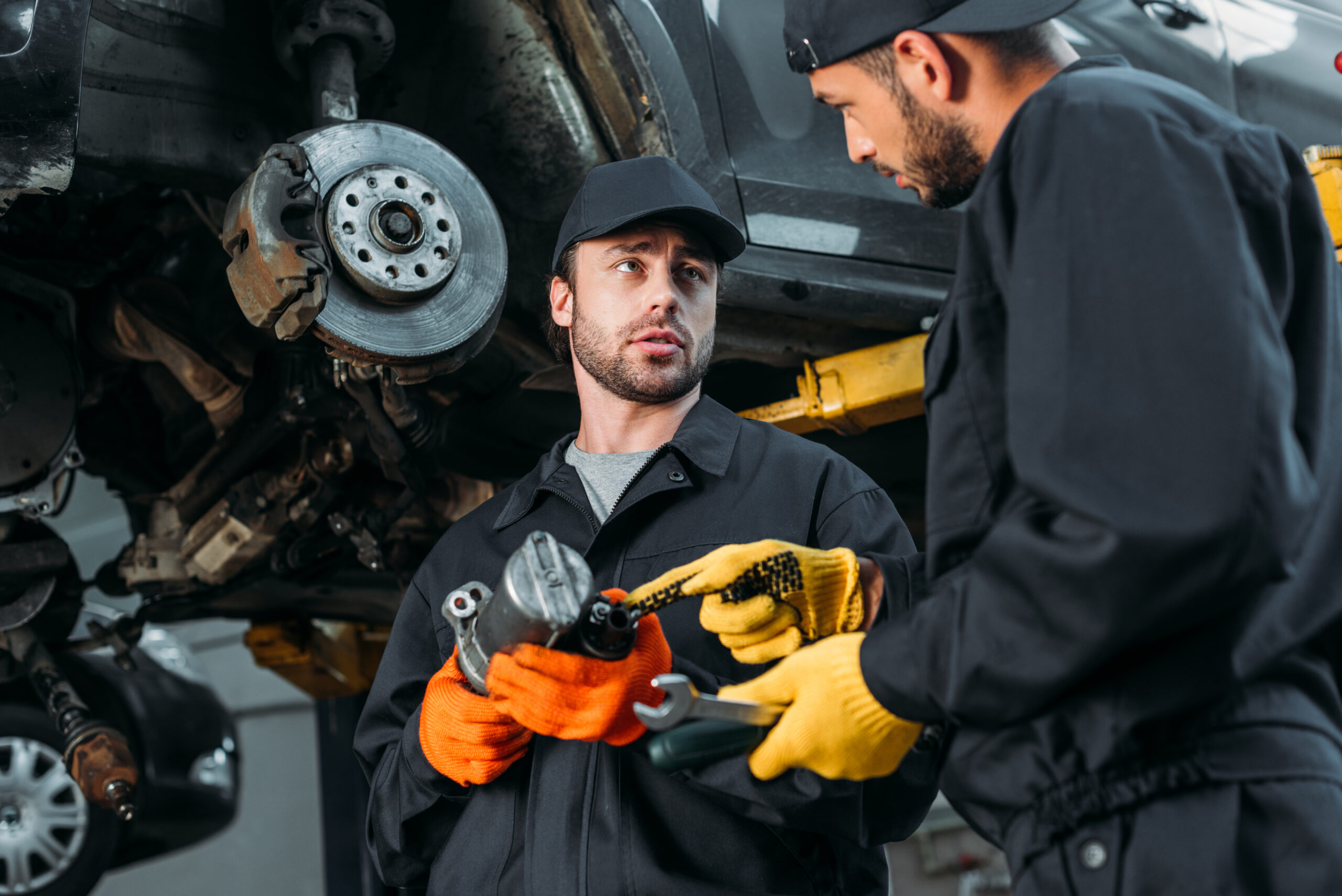
Why Your Car Pulls to One Side and How to Fix It

How Ray’s Muffler Can Help

Ray’s Muffler is more than an exhaust shop—we’re a trusted auto repair resource for drivers who want honest answers and reliable service. Our experienced technicians know how to diagnose vehicle pulling issues efficiently and explain what’s going on in clear, straightforward terms.

Whether the solution involves tires, brakes, alignment, or suspension work, we focus on getting your car back to driving straight and safely. You’ll receive practical recommendations without pressure or guesswork.

If you’ve noticed your car drifting or pulling, schedule an inspection with Ray’s Muffler today. Our team is ready to help you get back on the road with confidence.

Filed Under: Auto Repair Shop

Check Engine Light - Bountiful, UT

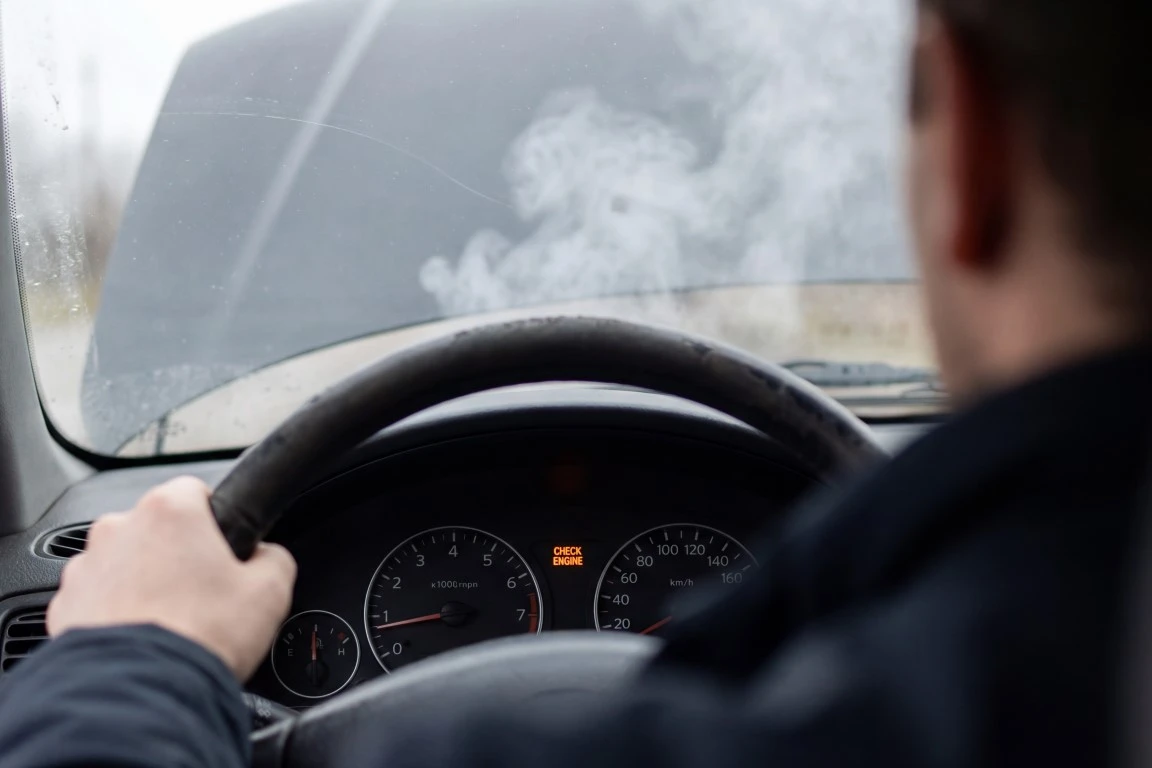
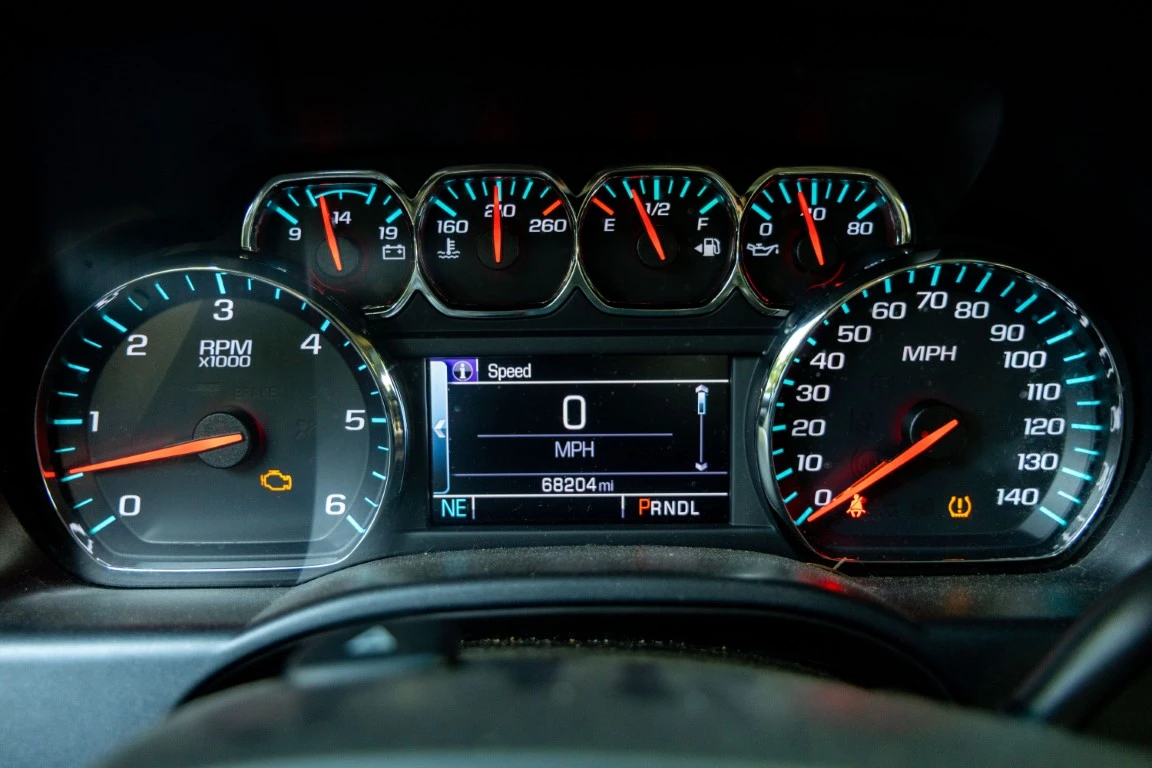
If your check engine light keeps popping on, you’re not alone, and you’re definitely not imagining things. For many drivers, that little glowing icon is confusing, annoying, or easy to ignore, especially if the car seems to be running fine. But when the check engine light keeps coming back, it’s usually a sign that something needs attention sooner rather than later.

At Ray’s Muffler, this is a common concern drivers bring in, and the good news is that many causes are fixable when caught early.

What the Check Engine Light Actually Means

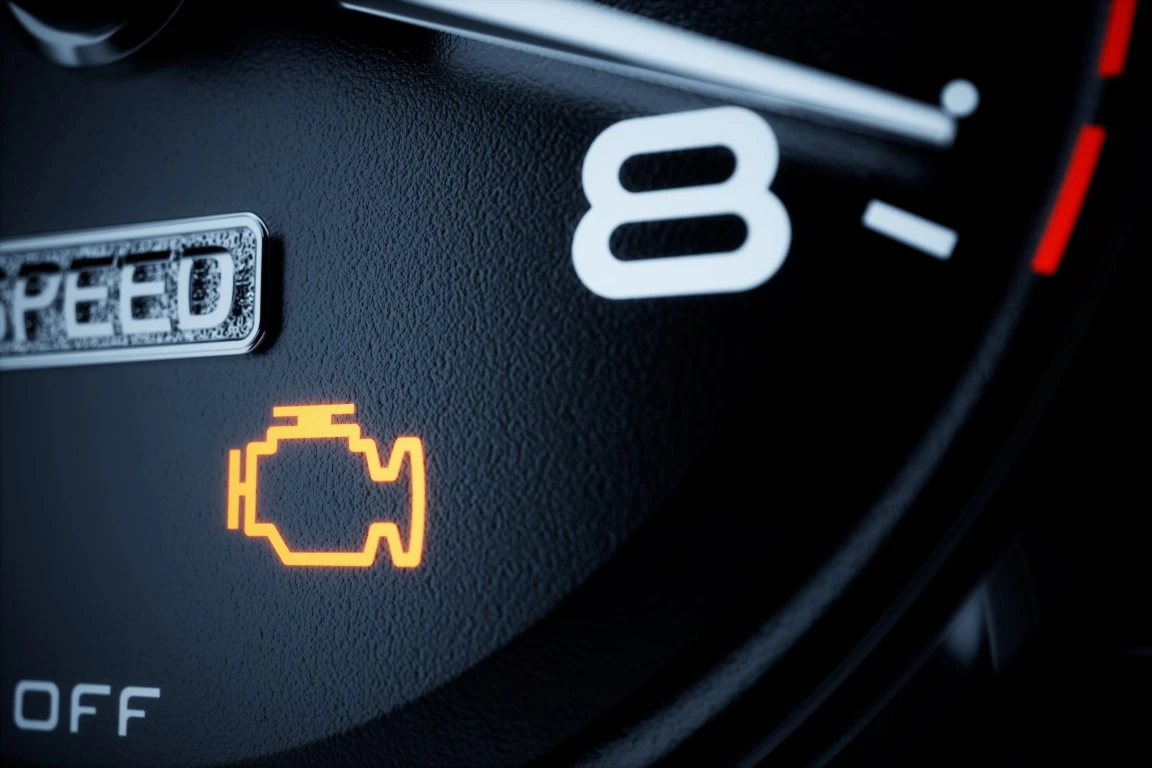
Your vehicle’s check engine light is connected to its onboard diagnostic system. This system constantly monitors your engine, exhaust, and emissions components. When it detects something outside normal operating ranges, the light turns on.

A solid check engine light usually means the issue isn’t immediately dangerous but still needs to be checked. A flashing check engine light, on the other hand, can signal a more serious problem, like an engine misfire, that should be addressed right away.

The tricky part is that the same light can mean dozens of different things, which is why guessing or ignoring it often leads to bigger problems.

preserve your engine, Bountiful

Common Reasons Your Check Engine Light Keeps Coming On

There are a few usual suspects that cause repeat check engine light issues:

  • Loose or Damaged Gas Cap: This is one of the simplest and most overlooked causes. A loose gas cap can let fuel vapors escape that trigger the emissions system.
  • Faulty Oxygen Sensor: Oxygen sensors help your engine balance fuel efficiency and emissions. When they fail, your car may burn more fuel than necessary.
  • Catalytic Converter Problems: Since the catalytic converter is a major part of your exhaust system, issues here can trigger the check engine light and affect performance.
  • Mass Airflow Sensor Issues: This sensor measures how much air enters your engine. If it’s dirty or failing, your engine may hesitate or stall.
  • Ignition System Problems: Worn spark plugs or failing ignition coils can cause misfires, poor acceleration, and recurring warning lights.

Why the Light May Turn Off—Then Come Back On

Check Engine Light - Bountiful, UT

One of the most frustrating things about a check engine light is when it turns off on its own, only to come back days or even weeks later. This can give drivers a false sense of relief and make it seem like the problem fixed itself when it really hasn’t. In many cases, the issue is intermittent, such as a sensor that functions properly sometimes but fails under specific conditions. 

Changes in temperature, humidity, or driving habits can temporarily mask the problem, causing the system to stop triggering the warning light for a short time. Improved fuel quality or smoother driving can also reduce symptoms without addressing the underlying cause. 

In other situations, the diagnostic code may have been cleared, either intentionally or automatically, without the actual problem being repaired. When that happens, the vehicle’s system simply waits until it detects the issue again before turning the light back on. 

The key thing to remember is that a check engine light rarely goes away permanently on its own. When it comes back, it’s usually a sign that the original issue is still there, waiting for the right conditions to trigger another warning.

When to Bring Your Vehicle In

It can be tempting to try to fix it yourself, but you should schedule a diagnostic check if:

  • The check engine light stays on for more than a day or two
  • It keeps coming back repeatedly
  • You notice rough idling, poor fuel mileage, or sluggish performance
  • You hear unusual noises or smell exhaust fumes

Even if the car feels drivable, these signs are your vehicle asking for attention.

Ray's Muffler Service Bountiful Utah Auto Repair

How Ray’s Muffler Diagnoses Check Engine Light Issues

At Ray’s Muffler, diagnosing a check engine light goes beyond simply reading a code. Professional diagnostic tools identify what system triggered the warning, but experienced technicians know how to interpret what that code actually means for your vehicle.

Because Ray’s Muffler specializes in exhaust systems, emissions, and engine-related components, we are especially equipped to handle many of the most common causes of check engine lights. The goal is to find the real issue, not just reset the light, and recommend only the repairs you actually need.

When warning lights come on, you need answers you can trust. At Ray’s Muffler, our experienced technicians provide straightforward diagnostics and quality repairs. If you have a pesky engine light that keeps turning on, call Ray’s Muffler today to schedule your service.

Filed Under: Auto Repair Shop

The dangers of driving with bad suspension

Driving with a worn-out suspension system can put your life and the quality of your car at risk. Bad suspension can make the ride more uncomfortable and can increase the risk of accidents while driving the car. Drivers should be aware that worn-out shocks and struts can cause a less-than-pleasant driving experience, damage to the car, and increased safety risks. 

Suspension damage may not be noticeable at first and may start slowly, but the longer they go on, the more risk you are putting yourself in. Driving with damaged components can cause many problems, which we will discuss in this blog. If you are curious about the dangers of driving with bad suspension, continue reading to learn what you can look out for. 

Reduced Braking Ability

The biggest danger of damaged car parts, worn-out tires, and worn-out suspension is reduced braking efficiency. Suspension plays a key role in the operation of your vehicle, especially in slick or dangerous situations. When shock absorbers are broken, it can reduce the car’s ability to slow down or stop in time. Shocks and struts that are worn out will increase the risks of accidents or slide-offs during the winter.

Skidding On Wet Roads

During a rain or snow storm, your brakes, ABS system, and shocks and struts are crucial to getting you to your destination. Suspension systems will keep you from skidding on wet roads and causing serious accidents. Your shocks help to absorb movement or bouncing, which can be caused by rough terrain or as your car moves erratically on wet roads. If the shocks can’t control the movement, your car could fishtail, flip, or skid during a storm.

Increased Driver Tiredness Or Passenger Discomfort

A comfortable ride is not only important for a long road trip, but also for your daily commute. Shocks and struts allow you to have a smooth ride over any type of terrain and during any weather condition. A dangerous and uncomfortable car ride can be tiring as a driver, pulling the wheel to keep the car on the road or trying to avoid shakes and jolts. It may also mean that passengers are jostled or jittery because of the dangerous ride. 

Signs Your Shocks And Struts Are Damaged

Looking for signs of bad suspension can help you make repairs quickly and limit the risk of injury while driving. There are common signs that drivers can look for, signaling it is time to take their vehicle to the shop. Here are some common signs of shocks and strut damage:

  • Excessive bouncing: If the car doesn’t settle after going over bumps or rough terrain, this is a clear sign of damaged suspension. 
  • Nose-diving: When the front of the car dips while braking, your front suspension could be damaged. Nose-diving can signal you may have trouble braking in the future.
  • Rear squatting: Rear squatting is also related to nose-diving, meaning that your car dips down in the back when you are accelerating. When your suspension is damaged, the car will have a hard time staying balanced.
  • Loose Steering: Steering problems, clicking noises while making hard turns, or your wheel pulling to one side can indicate damaged shocks and struts.
  • Unusual noises: Clunking, knocking, or rattling are also signs of damaged suspension.
  • Longer stopping distances: Worn components can increase your stopping time, making it harder to brake during wet conditions. 
  • Uneven tire wear: As the car drives unevenly, your tires can become scalloped or experience excessive wear. Instead of wearing in the middle, your tires may be worn on the outside while being fairly new on the inside.
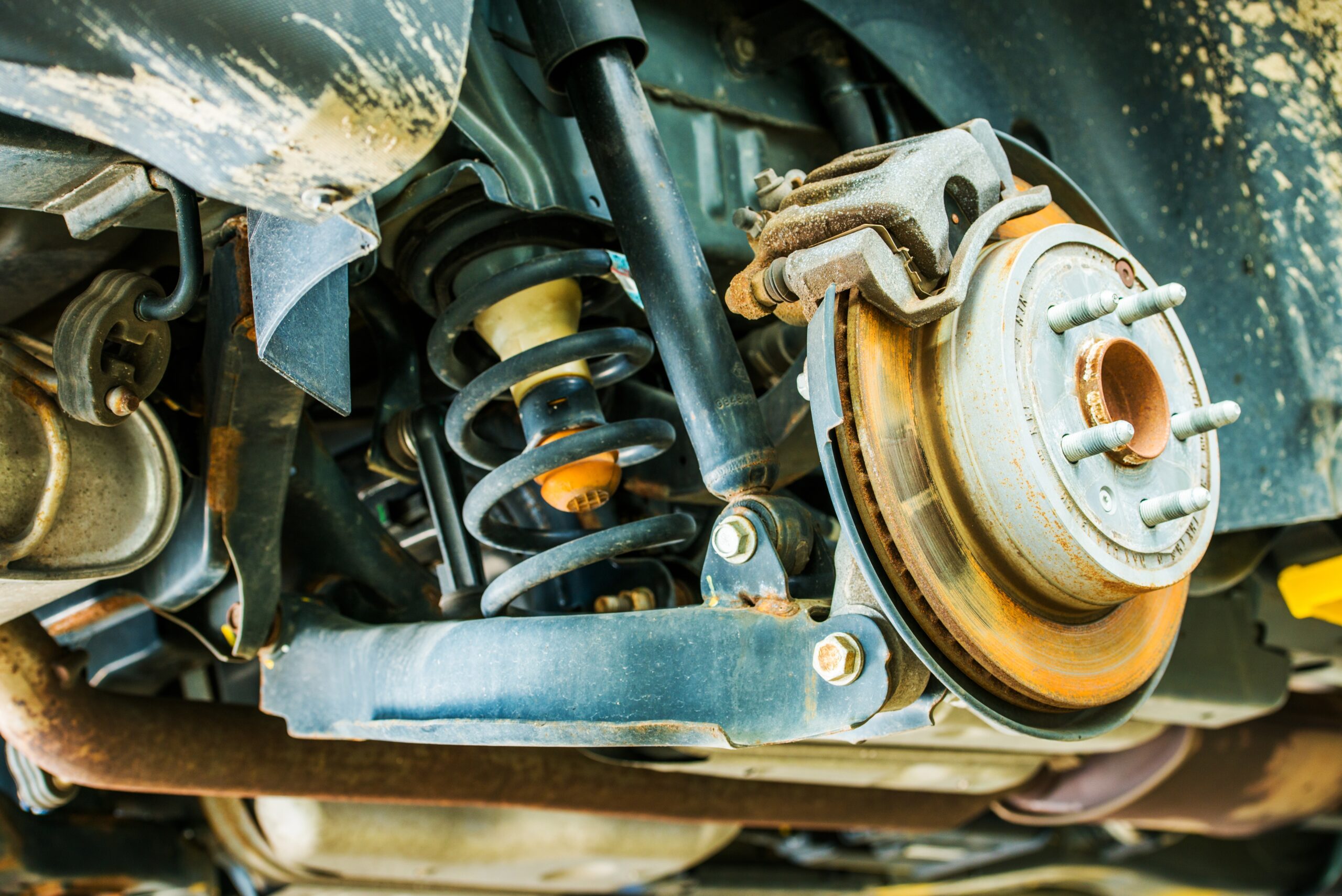
The Dangers of Driving With Bad Suspension

Steering And Suspension Services

Ray’s Muffler offers a full range of vehicle repair services in Bountiful, Utah. Our skilled technicians can help improve your suspension, allowing you to safely navigate the Utah roads. Your time is valuable, so we make the experience as stress-free as possible. Many members of our team are available to answer your questions or perform a repair. We can improve your suspension, braking, and steering system to keep your vehicle operational and protect you and your family while traveling. 


No matter what auto service you need, Ray’s Muffler will be here to help. Our autobody shop can work on cars of all years, makes, and models, giving Utah residents peace of mind. Don’t put off necessary vehicle maintenance and schedule an appointment with our experts today.

Filed Under: Auto Repair Shop

  • « Previous Page
  • 1
  • 2
  • 3
  • 4
  • …
  • 22
  • Next Page »

Coupons

coupon

Contact Us

Ray's Muffler Service 792 South 500 West Bountiful, UT 84010

Hours

Hours: Monday - Friday: 7am-6pm Saturday: Closed Sunday: Closed

Ray’s Muffler Service

Ray’s Muffler Service
792 South 500 West
Bountiful, UT 84010
Phone: (801) 292-4731
Monday 7:00 AM - 6:00 PM
Tuesday 7:00 AM - 6:00 PM
Wednesday 7:00 AM - 6:00 PM
Thursday 7:00 AM - 6:00 PM
Friday 7:00 AM - 6:00 PM
Saturday Closed
Sunday Closed

Credit

Contact Us

Ray's Muffler Service 792 South 500 West Bountiful, UT 84010 Hours: Monday - Friday: 8am-6pm Saturday: Closed Sunday: Closed

Follow Us

Facebooktwitterpinterestlinkedinyoutubeinstagram
View us on Yelp

Financing Available

2023 | Ray's Muffler Service | All Rights Reserved | Privacy Policy | Terms | XML Sitemap | Sitemap | Site by PDM