Call Us Today! (801) 292-4731
Ray's Muffler Service Bountiful Utah Car Maintenance

Ray's Muffler Service

  • Auto Repairs
    • AC Repair & Service
    • Cooling Systems
    • Brakes
    • Car Diagnostics
    • Timing Belts
    • Exhaust and Mufflers
    • Steering and Suspension
    • Transmission Repairs
    • Napa Service Assistant
  • Car Maintenance
    • Oil Changes
    • Emissions and Inspections
    • Belts and Hoses
    • Fluid Levels
  • Financing
  • Specials
  • About
    • Blog
  • Contact

Clutch 101: Manual Transmission Function And Care 

Home|Archives fortransmission

Whether you are a long-time manual transmission owner or new to stick shift cars, it’s important to know how your vehicle works and how to take care of it. The way you handle your clutch on the road affects its health and longevity. Understanding how it functions and best practices for operation can help you avoid calling a tow truck after your clutch wears out while you’re stuck in rush hour traffic.

manual transmission

What is a Clutch?

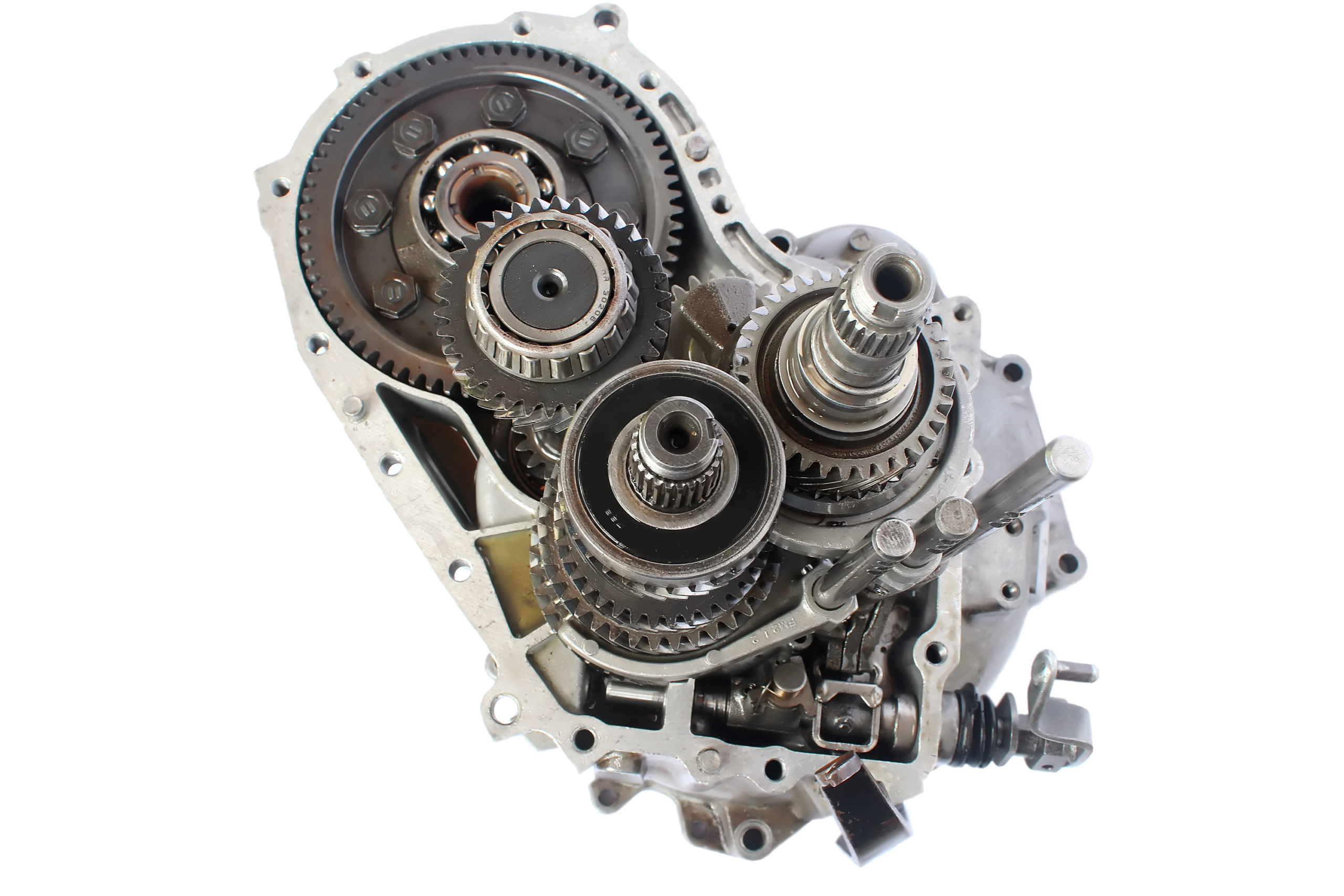
A clutch acts as a bridge between the car’s engine and gearbox, transmitting power to and from the wheels. Controlled by the left-most pedal, it allows the driver to momentarily disconnect the engine’s energy from the transmission, enabling the driver to smoothly shift through gears without interrupting the function of the engine. While the clutch’s framework is made up of many parts, there are three main elements to understand:

  1. The Flywheel: Connected to the engine’s crankshaft, the flywheel is a disk that rotates with the engine. Storing rotational energy, the flywheel kickstarts the engine’s combustion process, keeps the car running even when you’re not accelerating, and evens out the changes in the engine’s speed.
  1. The Clutch Plate: The clutch plate is located between the flywheel and the pressure plate. This thin disk connects or disconnects the two by applying friction, with the friction material that covers either side of it. 
  1. The Pressure Plate: The pressure plate is engineered to secure the clutch plate in place while the pedal is raised, causing it to connect with the flywheel so the car keeps driving. When the pedal is pushed down, the pressure plate lifts off the clutch plate, disconnecting it from the flywheel and removing the power from the engine to the wheels.

Each of these components comes together to create the clutch system, and is looked over when you take your car in for servicing.

Automatic VS. Manual Transmissions

Even though an automatic transmission won’t have that far left pedal or gearbox, seen in a manual transmission, they do have an internal clutch that works with a torque converter. A torque converter is a fluid connecting device that allows power to move from the engine to the wheels, shifting gears automatically. There are many benefits to having either an automatic or manual transmission. Most people prefer the easy use of an automatic transmission and its convenience in stop-and-go traffic. Those in favor of a manual transmission enjoy the control they have over shifting gears and acceleration, as well as the manual transmission’s lower cost.

How to Extend Clutch Life

The average lifespan of a clutch can fall anywhere between 20,000 and 150,000 miles, typically lasting about 60,000 miles before needing to be replaced. Though wear is inevitable when driving your car, there are a few things you can do to increase the longevity of your clutch’s life.

manual transmission
  1. Avoid Riding the Clutch: Constantly leaving your foot on the pedal will wear the clutch out over time. The tiniest bit of pressure affects the clutch’s system, meaning that you shouldn’t rest your foot on the pedal when you’re not shifting gears. Instead, practice leaving your left foot flat on the floor next to your pedal to avoid extra wear.
  1. Keep Your Hand Off the Shift: Much like riding the clutch, when you rest your right hand on the gear shift, the extra weight applies unnecessary pressure to the shift fork, damaging the gear system. Make a habit of keeping your hand on the steering wheel, only holding the stick shift when changing gears. 
  1. Change Gears Quickly: When shifting gears in a manual transmission vehicle, change gears quickly. This will help prevent stalling and a sluggish or jerky acceleration that will create extra friction and wear on the clutch plate.
  1. Gently Accelerate: Forcing the car to launch at high speeds from a stop can overheat and warp the flywheel, or shatter the plates, causing unnecessary and dangerous damage to your car. Similarly, pushing into high gears when driving at lower speeds puts extreme pressure on rod bearings and causes unnecessary damage. Shift gears as you accelerate with the vehicle’s speed, gently pulling away from stops and slower speeds. 
  1. Stay in Neutral at Stops: Refrain from leaving your car in a higher gear or shifting it into a lower gear when stopped. After braking and coming to a complete stop, it is best practice to shift the car into neutral and remove your left foot from the clutch pedal while your right foot stays on the brakes. This reduces extra wear on the pressure plate and extends the life of your clutch. 

Clutch and Transmission Services

If you notice signs of a worn-out clutch, such as scraping noises or stuck gears, make an appointment with Ray’s Muffler for professional diagnostics and inspection. For over 45 years, our family-owned business has been providing the best transmission repair services in Bountiful, Utah. We provide quality transmission rebuild services that keep your vehicle working correctly and prevent future replacements. Call Ray’s Muffler at 801-292-4731 for expert manual transmission care today.
Filed Under: Car Diagnostics Services Tagged With: transmission, transmission repairs

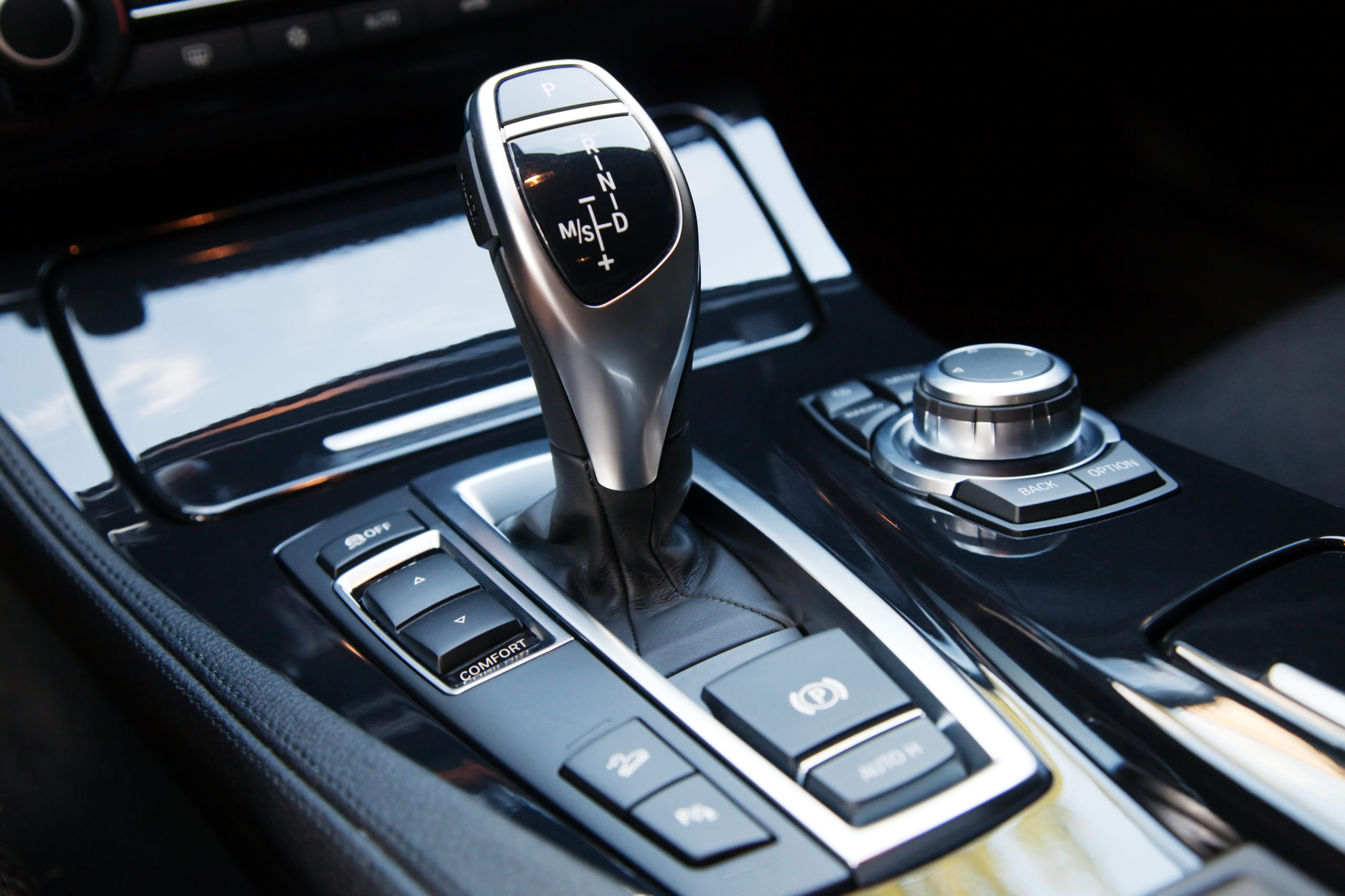
Trouble with your transmission can be a frustrating or even frightening thing to face. The question “what causes a transmission to fail” has a host of answers, and the list of warning signs is almost as long. Pay attention to any signs of transmission problems. Strange noises can be disconcerting and slipping gears can be downright dangerous, but no matter on what end of the scale your transmission issues fall, it is important to take care of them early on.

transmission issues

Get It in Gear

The transmission in your vehicle transmits power from the engine to the wheels, hence the name. Because of the nature of the transmission, many of the problems associated with it happen in the gears.

Gears are Unresponsive 

Is there a delay in your car’s response when you put it in gear? Does it not respond at all? Unresponsive gears may indicate a problem with your transmission’s fluids or with the computer system. Having the system reset may solve the problem without further maintenance. This can be done by detaching the battery and letting it sit for about a half an hour before reconnecting it.

Unresponsive gears may also indicate that the wrong type of fluid is being used. Different transmissions require different fluid thickness, so double check that the type and level of fluids are not what is causing your transmission issues. If you have a manual transmission, sluggish gears may also indicate that the clutch needs to be replaced.

Grinding or Shaking in the Gears 

Your gears should shift smoothly as you transition between park, neutral, and drive. If you feel shaking in your car as you downshift, or if you feel or hear the gears grinding together, it is a very clear indication that you’ve got some transmission issues. The trouble probably lies with the gears themselves, requiring them to be serviced. Gear deterioration only gets worse over time.

Gears Slip

A vehicle slipping into neutral while you are driving is one of the most dangerous transmission issues. It can happen when the gears within the transmission don’t link together properly. In such cases, immediate repair is called for. Gears can also slip if the vehicle’s computer system is on the fritz. Your car’s computer tells your transmission when to send power to the wheels, and it should not cut that power when the car is in drive. A mechanic will know whether your problem is mechanical or digital.

transmission issues

Other Transmission Problems

Unfamiliar Sounds

If your vehicle starts making strange sounds (humming, clunking, whining), it may be your transmission crying out for attention. Unfamiliar noises may indicate faulty gears or low transmission fluid levels, just to name a few possibilities. The bottom line is to get any funky acoustics checked out. “I haven’t heard that sound before” is never a good sign.

Smells Like Something Burning

The smell of burning is often caused by the transmission fluid overheating. This usually happens in conjunction with another transmission issue, and it results in the fluid breaking down. This hinders the whole system, yielding increased friction which can cause system erosion. It also causes sludge and debris buildup, which can spiral into completely ruining the transmission if not attended to quickly.

Low or Leaking Fluids

Your vehicle is full of fluid. Oil, gas, antifreeze, washer fluid, you name it, and the transmission has its own variety. Automatic transmission fluid (ATF) acts as the life-blood of your transmission. It’s even bright red. It operates as a hydraulic fluid and lubricates, cleans, and conditions internal seals. Low transmission fluid levels can seize up the inner workings of your car, creating debilitating friction and the breakdown of your transmission. 

You can check the levels and quality of your transmission fluid in the same way you check your motor oil. Warm up your car’s fluids with a short drive then use the dipstick to check fluid levels. Unlike oil, transmission fluid is not consumed by a vehicle or burned off, so subpar levels indicate a leak that needs to be fixed. If the transmission fluid has a burnt smell or is dark and murky, the fluid needs to changed out.

‘Check Engine’ Light Is On

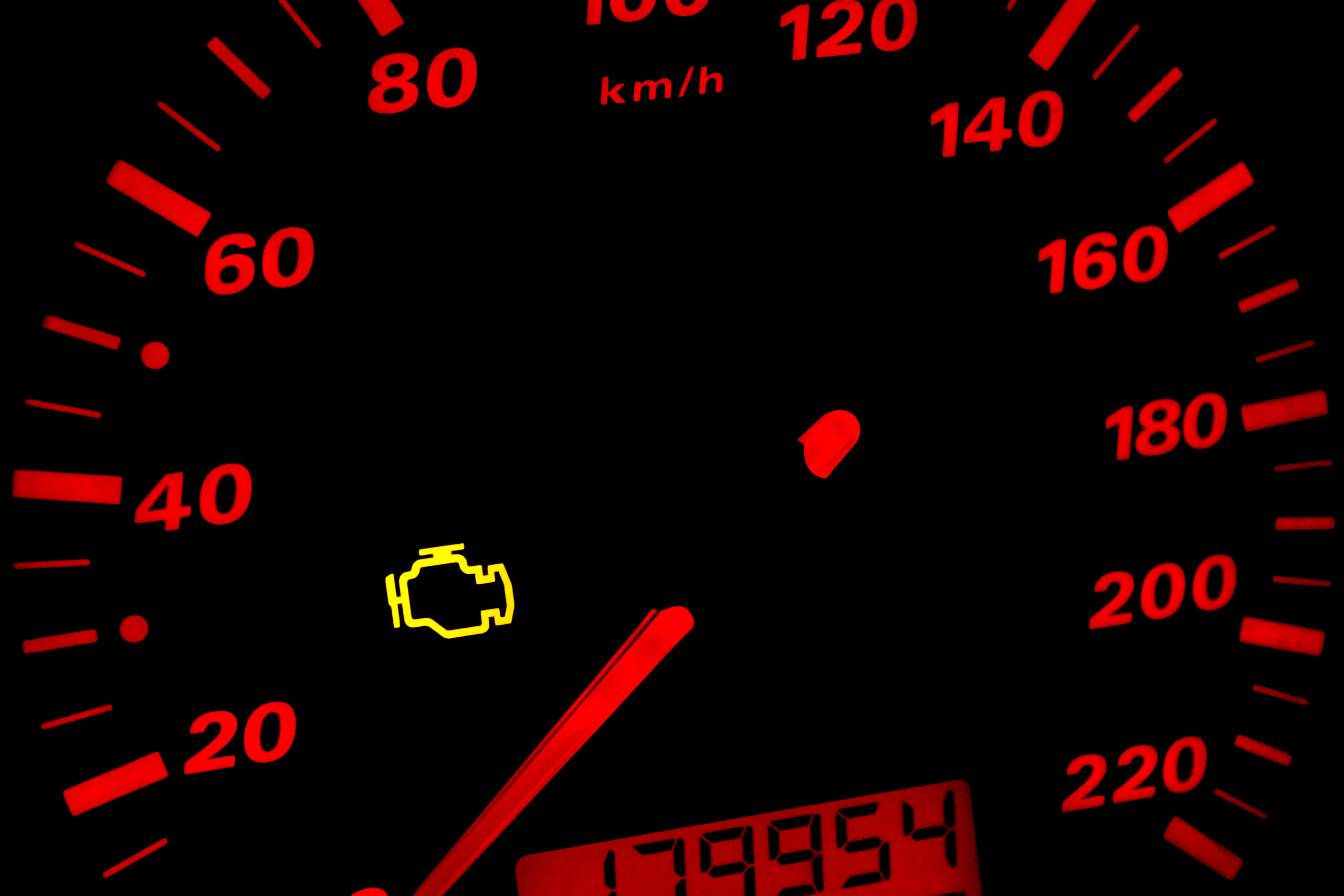
We know it’s tempting to think, oh, that always comes on, and ignore it, but if you want your car to last the full extent of its lifetime, don’t ignore its warning signs. The check engine light is triggered by different sensors throughout the vehicle’s engine picking up unusual activity. These sensors can pick up minute transmission issues before they escalate into major repairs.

transmission issues

Get the Problem Diagnosed

Taking care of transmission issues at their onset can prevent problems from spiraling into bigger problems. We have your safety and the longevity of your vehicle in mind when we say let us help fix your transmission issues. For manual and automatic transmission problems and solutions, come see us at Ray’s Muffler Service and Auto Repair.

Filed Under: Auto Repair Shop Tagged With: car transmission, transmission, transmission issues

Coupons

coupon

Contact Us

Ray's Muffler Service 792 South 500 West Bountiful, UT 84010

Hours

Hours: Monday - Friday: 7am-6pm Saturday: Closed Sunday: Closed

Ray’s Muffler Service

Ray’s Muffler Service
792 South 500 West
Bountiful, UT 84010
Phone: (801) 292-4731
Monday 7:00 AM - 6:00 PM
Tuesday 7:00 AM - 6:00 PM
Wednesday 7:00 AM - 6:00 PM
Thursday 7:00 AM - 6:00 PM
Friday 7:00 AM - 6:00 PM
Saturday Closed
Sunday Closed

Credit

Contact Us

Ray's Muffler Service 792 South 500 West Bountiful, UT 84010 Hours: Monday - Friday: 8am-6pm Saturday: Closed Sunday: Closed

Follow Us

Facebooktwitterpinterestlinkedinyoutubeinstagram
View us on Yelp

Financing Available

2023 | Ray's Muffler Service | All Rights Reserved | Privacy Policy | Terms | XML Sitemap | Sitemap | Site by PDM