
Call Us Today! (801) 292-4731
Ray's Muffler Service Bountiful Utah Car Maintenance

Ray's Muffler Service

  • Auto Repairs
    • AC Repair & Service
    • Cooling Systems
    • Brakes
    • Car Diagnostics
    • Timing Belts
    • Exhaust and Mufflers
    • Steering and Suspension
    • Transmission Repairs
    • Napa Service Assistant
  • Car Maintenance
    • Oil Changes
    • Emissions and Inspections
    • Belts and Hoses
    • Fluid Levels
  • Financing
  • Specials
  • About
    • Blog
  • Contact

The 3 Major Risk Factors to Crack a Windshield

Home|Archives forAuto Repair Shop
Broken windshield of a car. A web of radial splits, cracks on the triplex windshield. Broken car windshield, damaged glass with traces of oncoming stone on road or from bullet trace in car glass. Crack a Windshield

Damage to a windshield is both irritating and unsafe. The initial moment of a rock striking the glass is startling, and subsequently having to see the evidence of the impact every time you drive can be a source of frustration. While it can require a lot to crack a windshield because they are built to endure, there are several factors that can do the trick. Be aware of these to be safer on the road.

Examining Different Types of Window Damage

Let us first start by explaining what we mean by “crack a windshield.” Windshield cracks are streaks in which the structural integrity of the glass has been compromised. There are many different varieties, usually classified by where the crack occurs. Windshield cracks usually cannot be repaired. 

The other major type of windshield damage is the chip. Chips are smaller, describing just the spot of impact where the glass was damaged. Chips are often caused by rocks or gravel which are kicked up by the tires of other vehicles. Chips (or rock chips) can often be repaired before they worsen. They should be attended to early on.

Pressure, Temperature, and Moisture—A Triple Threat

Pressure, temperature, and moisture are the three elements most likely to crack a windshield. Here we discuss them in detail. However, there are other contributing factors to windshield damage. Sometimes the problem is rooted in a manufacturing defect. In other cases, dirt and debris wedged between the layers of the glass can pry them apart.

Crack on the windshield background. Crack a Windshield

How Much Force Is Required to Crack a Windshield?

Impact is the number one cause of windshield damage. It is responsible for the majority of rock chips especially. It can seem incredible that so small a thing as a pebble could damage a windshield of laminated glass. In fact, the amount of force required to break vehicular glass is approximately 20,000 to 24,000 pounds per square inch (psi) of pressure. That amounts to about 60 pounds of force. 

Unfortunately, smaller objects like gravel on the road don’t have to pack a wallop of quite that size to do the deed because they have a smaller surface area. Projected pebbles essentially drill into the glass. 

Other kinds of pressure can also crack a windshield. Dry windshield wipers can gouge or scrape your glass. If the windshield is already damaged, ordinary pressure like wiping it down by hand or the typical bumps and jostling of driving can make cracks and chips worse. 

How Hot Does It Have to Be for a Windshield to Crack?

The way temperature can crack a windshield is a two-fronted battle. On one extreme, hot weather can soften the interior plastic layer of the windshield and make it easier to break. On the other hand, cold weather can cause the glass to contract, and if the windshield already has cracks or chips, contraction will exacerbate the damage.

The biggest temperature-related problem for windshields is rapid change. If a cold windshield is suddenly exposed to hot water or hot air from the car’s vents, cracks are inevitable. These commonly occur parallel to the bottom of the windshield and are likely to spread each time the temperature is uneven.

How Can Moisture Crack a Windshield? 

Cars and trucks are meant for outdoor use, right? So how can moisture (which is everywhere outside) crack a windshield. The phenomenon is most common when damage is already present. If a windshield is already cracked or chipped, water can seep between the layers of the laminated glass and pry them apart. This is a bigger problem if the water reaches its freezing point. 

Woman Phoning For Help After Car Windshield Has Broken. Crack a Windshield

Can a Cracked Windshield Shatter?

Windshields are designed to survive a lot of damage, but as we have discussed, they are not invincible. Each time a windshield sustains damage, it is exponentially more likely to take on more. This is because each crack or chip weakens the glass and overall structural integrity.

Unfortunately, when the strain becomes too much, a cracked windshield can shatter. However, even in such dramatic cases, the windshield is not likely to pull away from the vehicle’s frame. This is because of how windshield glass is constructed. 

laminated glass, of which most windshields are made, is made up of two sheets of glass and a thin film of plastic in between them. Windshields are also secured to the vehicle with strong urethane adhesives. These are specifically designed to block out road noise and exterior moisture and to keep the windshield from shifting in the frame. 

Even if the windshield doesn’t break inward, it is not wise to drive around with a cracked windshield. Any crack compromises a windshield’s structural integrity, and it is better to take care of any windshield damage before it becomes too serious.
Filed Under: Auto Repair Shop

When it comes to tires, you can’t be too careful in keeping them in good shape. Your tires are responsible for your vehicle’s ability to function properly and safely to get you where you want to go. Tire rotation and wheel alignment are two of the most important regular maintenance actions you can take to keep your tires in good condition. 

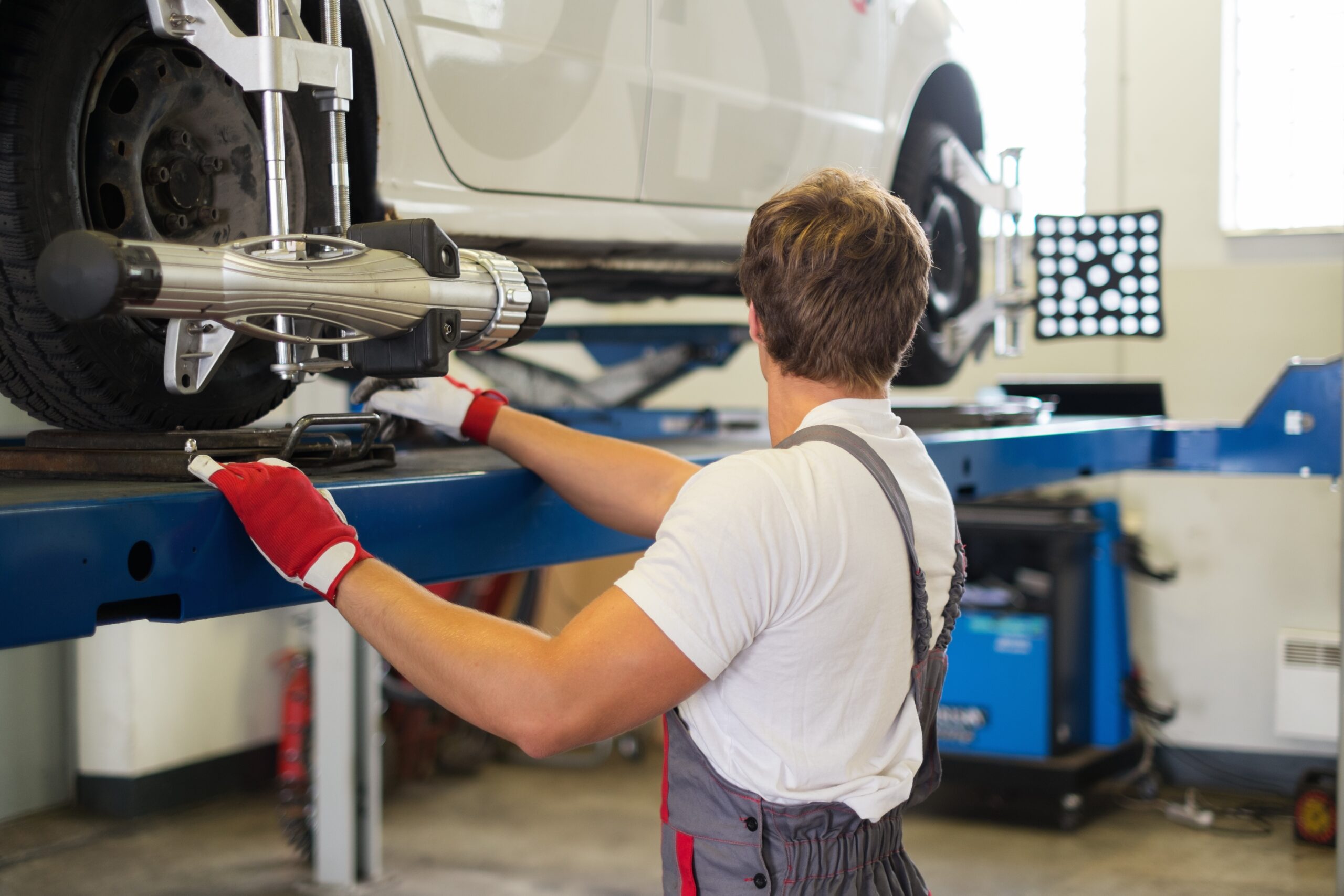
Young serviceman checking wheel alignment  in a car workshop. Tire Rotation and Wheel Alignment

The Difference Between Tire Rotation and Wheel Alignment

Your tires are how the rest of your vehicle interacts with the road, and they have to stand up bravely against gravel, ice, potholes, and debris. Regularly maintaining them by taking care of your tire rotation and wheel alignment is critical, but what is the difference between the two? If you understand the difference, you can better take care of your vehicle altogether. 

Right off the bat, it is important to know that both tire rotation and wheel alignment do wonders to improve the longevity of your tires and overall vehicle performance. Making both services a regular priority can save you a lot of money on costly vehicle repairs. Most importantly, doing so will improve your safety while on the road.

What Is Tire Rotation?

Tire rotation describes shifting the position of each tire on the car. During a tire rotation, your mechanic will switch the front wheels of your vehicle with the rear wheels, and vice versa. The purpose of tire rotation is to even out the wear on all the vehicle’s tires. 

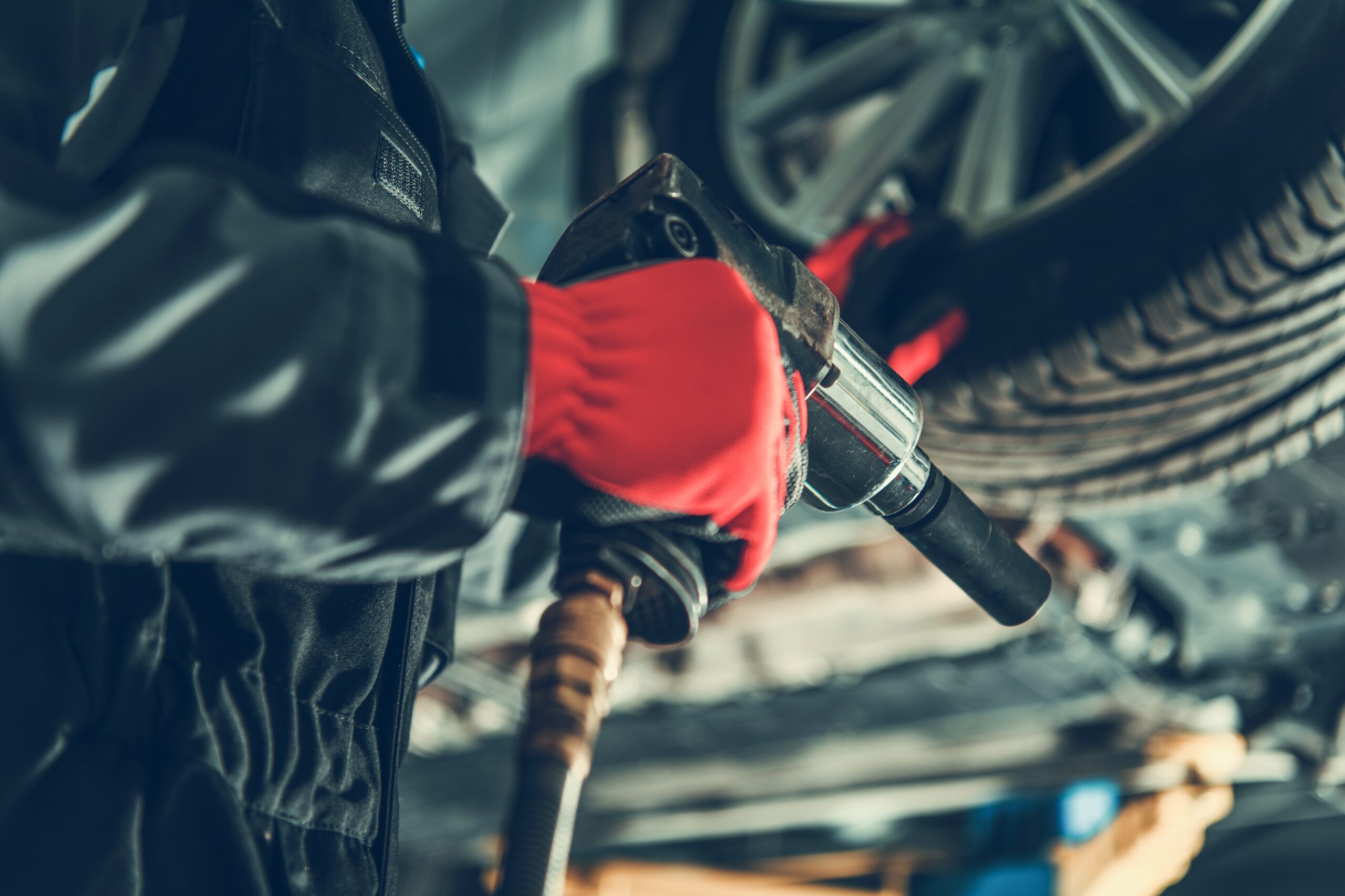
Seasonal Car Wheels Replacement. Car Mechanic with Power Tool Inside the Auto Service. Tire Rotation and Wheel Alignment

Although all four tires are always in contact with the ground, the wear caused by the contact is not always evenly distributed. Part of this has to do with the nature of your vehicle, whether it has Front-Wheel Drive (FWD) or Rear-Wheel Drive (RWD). Vehicles with FWD experience greater friction in the front tires because that’s where the engine’s force is delivered. The opposite is true for RWD vehicles. Because of the nature of momentum, front tires also usually bear more of the vehicle’s weight during braking.

Regular tire rotation is an easy way to save money. The service doesn’t cost very much, and it can extend the life of your tires, which are much more expensive both financially and in regards to safety. Rotating your tires can also save you money by improving your gas mileage as the weight of your vehicle becomes more balanced.

What Is Wheel Alignment?

A wheel alignment checks and adjusts the angles of a vehicle’s tires to keep them aligned correctly. The axels of the suspension system are also corrected if necessary. A correct alignment keeps the tires parallel to each other and perpendicular to the ground. The orientation should line up properly with the steering wheel. A proper alignment ensures that the wheels don’t pull to the right or left. When tires are properly aligned, tire wear is reduced, extending their longevity. 

Assessing Your Vehicle’s Alignment After an Accident

After an accident, it is vital that both tire rotation and wheel alignment be performed professionally. Typically alignment takes precedence after a crash because impacts to the car can misalign the suspension, brakes, and tires. During an alignment, a mechanic will check your tires’ hubs, rims, and spokes to make sure everything is in place. You do not want to be surprised by alignment problems after an accident. Take it in professionally without delay. 

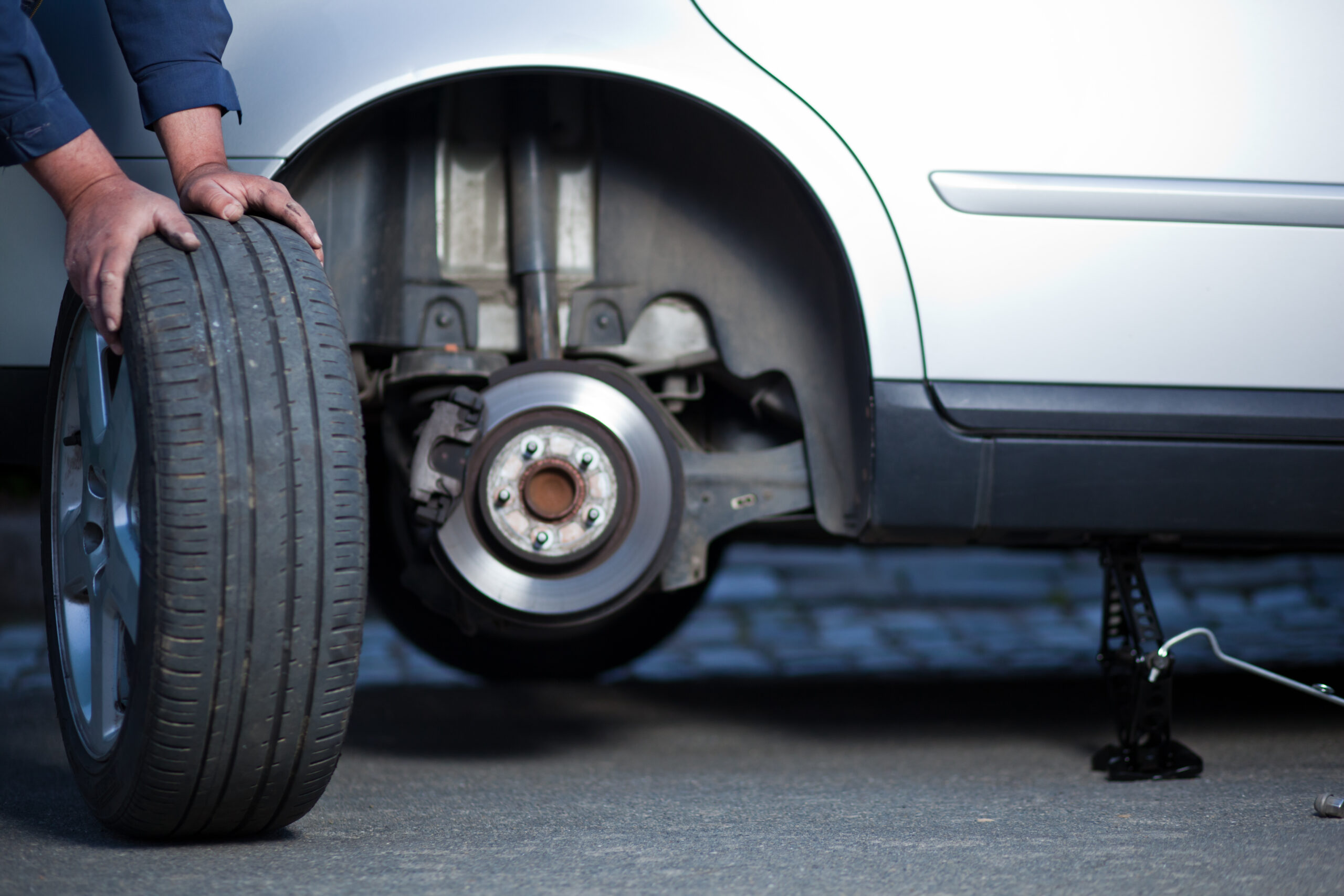
Mechanic changing a wheel of a modern car (shallow DOF; color toned image) Tire Rotation and Wheel Alignment

How Often Should You Have Tire Rotation and Wheel Alignment Taken Care Of?

Knowing when to take care of your tire rotation and wheel alignment is a valuable part of caring for your vehicle. Tire rotation should be addressed more regularly since it is more likely for your tires to wear unevenly than it is for them to become misaligned if you haven’t been in a car accident. While values vary slightly, the window between rotations is between 6,000 and 8,000 miles.

For most people, this means a rotation every few months. Many people have their tires rotated when they get their oil changed so they don’t forget. In fact, many mechanics offer this service as part of their oil change package. It is also wise to rotate your tires if you plan to go on a road trip. 

While tire alignments do not usually need to be performed so regularly (once every two years or when your vehicle undergoes major repairs being the most common practice), it is wise to have your alignment checked when you get your tires rotated. Both services—tire rotation and wheel alignment—are considered preventative measures that can extend the life of your vehicle and promote your personal safety.

Filed Under: Auto Repair Shop

When you find a mechanic that you really trust to take care of your car, you’ll want to stick with them. Before you get to that point, however, the number of options and risk of fraud can be overwhelming. If you’re trying to choose the right mechanic, we have a few suggestions. 

Ideally, you want to find a mechanic that can help with both maintenance and repairs. Maintenance includes oil changes, tire rotations and replacements, and alignment checks while repairs come up on a non-routine basis. They may include things like fixing brakes that have gone out, doing auto-body work after an accident, or diagnosing a problem with the electronics system.

How to Choose the Right Mechanic
Auto mechanics working with car and tools in workshop

What Makes a Good Mechanic?

While everyone gets along with people a little differently, there are some consistent things you should look for on your quest to choose the right mechanic. It is important to find a team that listens to your concerns, allowing you to feel heard and not simply like the next number in line. This kind of sincere service should be reflected in every interaction you have with prospective mechanics.

It is also helpful to find professionals who will explain the issues, what is actually happening in your vehicle. This speaks to a spirit of honesty and forthright communication and can help you better take care of your car when it is not in the shop. If you understand what the mechanic is doing, it can also help you be sure you are getting a fair quote. 

In that same spirit of honesty, good mechanics will have a candid discussion if they don’t know how to help. Doing so gives you the choice to look elsewhere for someone who does know how to help. This kind of accountability is the way to solidify lasting business relationships. It also is an indication of integrity that is absolutely essential in a mechanic you can trust. You certainly need to find a company that won’t compromise on quality or cut corners.

Female technician working with a flashlight under a lifted car. How to Choose the Right Mechanic

Researching Before You Choose the Right Mechanic

Though the initial research may be a pain, once you choose the right mechanic for you, he will be familiar with your vehicle and know how best to take care of it. Find a team you can trust so you always know just where to go. Here are a few suggestions for getting started:

  • Start with the dealership. Your vehicle’s dealership will have a wealth of knowledge about your particular vehicle including current recalls, parts, and service warranties. Be aware that the dealership may also be the more expensive option.
  • Listen to the reviews online and follow word of mouth recommendations. While these will be subjective since everyone’s experiences are different, they can get you started on places to research more deeply
  • Check the Better Business Bureau. Auto repair shops rank 12th on the bureau’s list of common complaints. Their site can help you be mindful of places to avoid.
  • Start locally. Ideally you want to find somewhere close so you don’t have to drive all over creation to get your vehicle serviced.
  • Look for a team that knows their stuff. Look for experience and the right technical skills and knowledge, especially familiarity with your kind of vehicle. Part of this involves checking for the proper certifications. To choose the right mechanic, start by looking for a shop that is certified by the National Institute for Automotive Service Excellence.
  • Check for warranty options. Protect yourself and your vehicle by assessing what warranties are available.
  • Get a range of quotes. See what the competition is charging and compare what different companies have to offer. Don’t be afraid to do your own research to give yourself price points to compare. It is also wise to see if your prospects have financing options
  • Check communication skills. It may sound silly, but if you want to choose the right mechanic, you’ll need to find someone who can communicate well so you always know what’s happening with your vehicle and your bill.
  • Look for a team that loves what they do. A team like that will take care with their work.
  • Shop around. If you find a mechanic that you think is right but they end up not meeting your expectations, you can continue your research and try again. 
How to Choose the Right Mechanic
Auto Repair Shop

Your Local Mechanic in Bountiful, UT

At Ray’s Muffler, we want to help you choose the right mechanic, and we trust that we fit the bill. Our skilled technicians always provide the best service and the highest quality workmanship. Residents of the Bountiful area will find that Ray’s is a mechanic service they can trust, and we’re happy to get started taking care of your vehicle today.

Filed Under: Auto Repair Shop

  • « Previous Page
  • 1
  • …
  • 11
  • 12
  • 13
  • 14
  • 15
  • …
  • 22
  • Next Page »

Coupons

coupon

Contact Us

Ray's Muffler Service 792 South 500 West Bountiful, UT 84010

Hours

Hours: Monday - Friday: 7am-6pm Saturday: Closed Sunday: Closed

Ray’s Muffler Service

Ray’s Muffler Service
792 South 500 West
Bountiful, UT 84010
Phone: (801) 292-4731
Monday 7:00 AM - 6:00 PM
Tuesday 7:00 AM - 6:00 PM
Wednesday 7:00 AM - 6:00 PM
Thursday 7:00 AM - 6:00 PM
Friday 7:00 AM - 6:00 PM
Saturday Closed
Sunday Closed

Credit

Contact Us

Ray's Muffler Service 792 South 500 West Bountiful, UT 84010 Hours: Monday - Friday: 8am-6pm Saturday: Closed Sunday: Closed

Follow Us

Facebooktwitterpinterestlinkedinyoutubeinstagram
View us on Yelp

Financing Available

2023 | Ray's Muffler Service | All Rights Reserved | Privacy Policy | Terms | XML Sitemap | Sitemap | Site by PDM