Call Us Today! (801) 292-4731
Ray's Muffler Service Bountiful Utah Car Maintenance

Ray's Muffler Service

  • Auto Repairs
    • AC Repair & Service
    • Cooling Systems
    • Brakes
    • Car Diagnostics
    • Timing Belts
    • Exhaust and Mufflers
    • Steering and Suspension
    • Transmission Repairs
    • Napa Service Assistant
  • Car Maintenance
    • Oil Changes
    • Emissions and Inspections
    • Belts and Hoses
    • Fluid Levels
  • Financing
  • Specials
  • About
    • Blog
  • Contact

A Look Into the Future: How Will Electric Cars Affect Mechanics?

Home|Archives forAuto Repair Shop

Electric vehicles have seen a sweeping increase in the last few years, and all of the metrics indicate that they will only grow in popularity. There is a great appeal in a greener, cleaner method of transportation, but the surge of electric vehicles does lead mechanics to wonder how their careers will be impacted. In this article, we discuss how electric cars affect mechanics and the future of the industry.
Tesla Model S signage of a red car at Paris showroom, France. Tesla is an American company that designs, manufactures, and sells electric cars. electric cars affect mechanics

The Benefits of Electric Vehicles

Electric vehicles wouldn’t be as popular as they are without a significant list of benefits. For starters, they provide a smoother experience on the road and have sleek almost futuristic designs. These are just the surface level benefits, however. Perhaps most important is the fact that electric vehicles are more energy efficient—as much as 85–90% efficient.

This efficiency is tremendously beneficial for drivers. It means major savings on fuel, averaging out around $800 every year, and the use of renewable energy, avoiding fossil fuel consumption. This in turn leads to reduced emissions. In fact, electric cars are nearly emission free, which is the reason so many legislative entities are so keen on them.

Maintenance for electric vehicles is also less expensive as electric cars need significantly less of it. Oil changes, muffler repair, and replaced timing belts and spark plugs are a thing of the past, and electric vehicles run more cleanly, cause less wear and tear. 

While electric vehicles are great for drivers and the planet, they don’t have the same appeal for mechanics, especially as we gain greater evidence for how electric cars affect mechanics’ job outlook.

Female technician working with a flashlight under a lifted car. electric cars affect mechanics

Servicing Electric Vehicles

Servicing electric cars is a multifaceted process. In some ways, they still require traditional maintenance. Electric vehicles still need their tires rotated, their transmission fluid cycled, their suspension and brakes checked, and their windshield wipers replaced. In this sense, electric cars affect mechanics minimally, but that’s about where the status quo stops. 

While some of the components of electric vehicles are the same as those of traditional combustion engine vehicles, they have significantly fewer moving parts, approximately 100 times fewer. While traditional cars have about 2,000 moving parts, electric vehicles only support about 20. Of the parts that are removed, many are mechanics’ usual bread and butter:

  • Fewer fluids, so no oil changes
  • No engine, so no gaskets, cylinders, fuel filters, or fuel injectors
  • No emissions, so no exhaust system or catalytic converter
  • No belts, hoses, or chains

Because of the nature of electric operation, electric vehicles need less maintenance anyway, independent of fewer parts. Combustion is necessarily a very explosive process, and the engine and the rest of the vehicle take most of that backlash. Electric vehicles don’t have that problem, so the wear and tear is significantly reduced. 

The same is true of the brakes. Electric vehicles use regenerative braking, a process that converts energy from the brake pads into electricity to recharge the battery. All of these features combine so electric cars affect mechanics by giving them less to do.

Most of the maintenance electric cars require is of the software variety. Computer programming will be more relevant for such vehicles than traditional nuts and bolts knowhow. This will require a pretty dramatic adjustment of how mechanics operate.
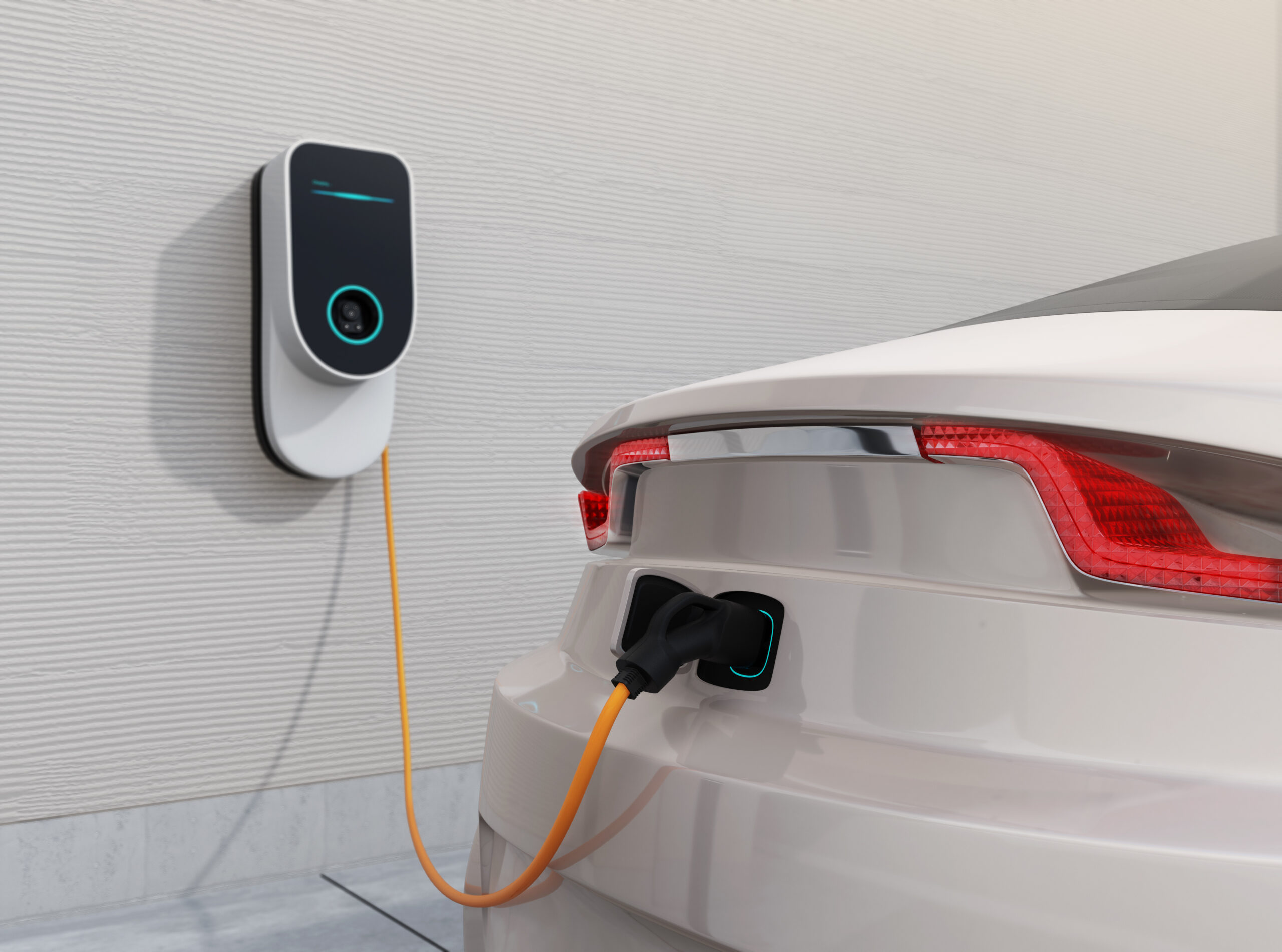
electric car charging
electric cars affect mechanics

How Will Electric Cars Affect Mechanics’ Work?

As mentioned above, the population of electric vehicles will only continue to grow. States like California are pushing to stop the production of new combustion engine vehicles entirely in the next 15 years. This will have a tremendous impact on mechanics in the workforce. In fact, the estimates for California anticipate that nearly 32,000 mechanics will lose jobs by 2040 if new combustion engine vehicles are discontinued. 

This is a frightening prospect for many in the automotive industry, but others have a hopeful view on how electric cars affect mechanics’ job outlook. Instead of looking at autocare as a dying trade, they consider the change as a chance to get out of their comfort zones and learn a new way of servicing cars. In their minds, the job hasn’t shrunk, it has expanded. 

This is born out by the fact that, in order to service electric vehicles, mechanics must maintain their fundamental expertise in mechanics in addition to adding an understanding of software engineering. Those who can adapt become a valuable asset and are often paid more. Maintenance of electric vehicles is becoming a mandatory requirement in many tech schools. Truly, a hybrid model is the way of the future.

Some mechanics, especially veterans of the industry, are electing to maintain the same work instead of learning the ropes of the new kind of car. This is understandable, since learning a whole new skill set can be difficult. Traditional vehicles with combustion engines are not going away any time soon, so this reticence in some may not be a problem. However, in order to stay relevant in the changing climate, it is wise to keep up with the changing times and embrace, not fight, how electric cars affect mechanics.

Filed Under: Auto Repair Shop

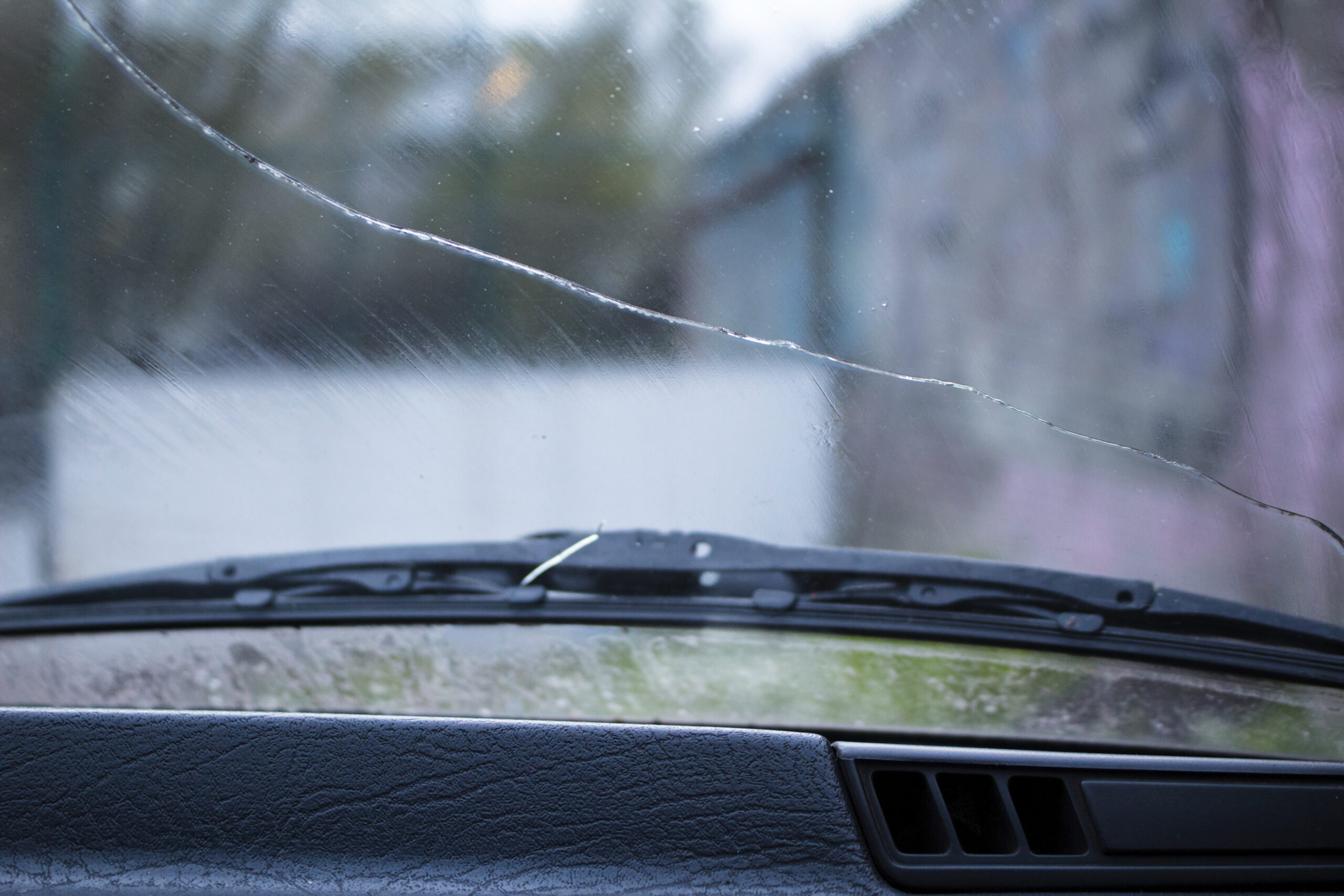
Broken windshield of a car. A web of radial splits, cracks on the triplex windshield. Broken car windshield, damaged glass with traces of oncoming stone on road or from bullet trace in car glass. Crack a Windshield

Damage to a windshield is both irritating and unsafe. The initial moment of a rock striking the glass is startling, and subsequently having to see the evidence of the impact every time you drive can be a source of frustration. While it can require a lot to crack a windshield because they are built to endure, there are several factors that can do the trick. Be aware of these to be safer on the road.

Examining Different Types of Window Damage

Let us first start by explaining what we mean by “crack a windshield.” Windshield cracks are streaks in which the structural integrity of the glass has been compromised. There are many different varieties, usually classified by where the crack occurs. Windshield cracks usually cannot be repaired. 

The other major type of windshield damage is the chip. Chips are smaller, describing just the spot of impact where the glass was damaged. Chips are often caused by rocks or gravel which are kicked up by the tires of other vehicles. Chips (or rock chips) can often be repaired before they worsen. They should be attended to early on.

Pressure, Temperature, and Moisture—A Triple Threat

Pressure, temperature, and moisture are the three elements most likely to crack a windshield. Here we discuss them in detail. However, there are other contributing factors to windshield damage. Sometimes the problem is rooted in a manufacturing defect. In other cases, dirt and debris wedged between the layers of the glass can pry them apart.

Crack on the windshield background. Crack a Windshield

How Much Force Is Required to Crack a Windshield?

Impact is the number one cause of windshield damage. It is responsible for the majority of rock chips especially. It can seem incredible that so small a thing as a pebble could damage a windshield of laminated glass. In fact, the amount of force required to break vehicular glass is approximately 20,000 to 24,000 pounds per square inch (psi) of pressure. That amounts to about 60 pounds of force. 

Unfortunately, smaller objects like gravel on the road don’t have to pack a wallop of quite that size to do the deed because they have a smaller surface area. Projected pebbles essentially drill into the glass. 

Other kinds of pressure can also crack a windshield. Dry windshield wipers can gouge or scrape your glass. If the windshield is already damaged, ordinary pressure like wiping it down by hand or the typical bumps and jostling of driving can make cracks and chips worse. 

How Hot Does It Have to Be for a Windshield to Crack?

The way temperature can crack a windshield is a two-fronted battle. On one extreme, hot weather can soften the interior plastic layer of the windshield and make it easier to break. On the other hand, cold weather can cause the glass to contract, and if the windshield already has cracks or chips, contraction will exacerbate the damage.

The biggest temperature-related problem for windshields is rapid change. If a cold windshield is suddenly exposed to hot water or hot air from the car’s vents, cracks are inevitable. These commonly occur parallel to the bottom of the windshield and are likely to spread each time the temperature is uneven.

How Can Moisture Crack a Windshield? 

Cars and trucks are meant for outdoor use, right? So how can moisture (which is everywhere outside) crack a windshield. The phenomenon is most common when damage is already present. If a windshield is already cracked or chipped, water can seep between the layers of the laminated glass and pry them apart. This is a bigger problem if the water reaches its freezing point. 

Woman Phoning For Help After Car Windshield Has Broken. Crack a Windshield

Can a Cracked Windshield Shatter?

Windshields are designed to survive a lot of damage, but as we have discussed, they are not invincible. Each time a windshield sustains damage, it is exponentially more likely to take on more. This is because each crack or chip weakens the glass and overall structural integrity.

Unfortunately, when the strain becomes too much, a cracked windshield can shatter. However, even in such dramatic cases, the windshield is not likely to pull away from the vehicle’s frame. This is because of how windshield glass is constructed. 

laminated glass, of which most windshields are made, is made up of two sheets of glass and a thin film of plastic in between them. Windshields are also secured to the vehicle with strong urethane adhesives. These are specifically designed to block out road noise and exterior moisture and to keep the windshield from shifting in the frame. 

Even if the windshield doesn’t break inward, it is not wise to drive around with a cracked windshield. Any crack compromises a windshield’s structural integrity, and it is better to take care of any windshield damage before it becomes too serious.

Filed Under: Auto Repair Shop

When it comes to tires, you can’t be too careful in keeping them in good shape. Your tires are responsible for your vehicle’s ability to function properly and safely to get you where you want to go. Tire rotation and wheel alignment are two of the most important regular maintenance actions you can take to keep your tires in good condition. 

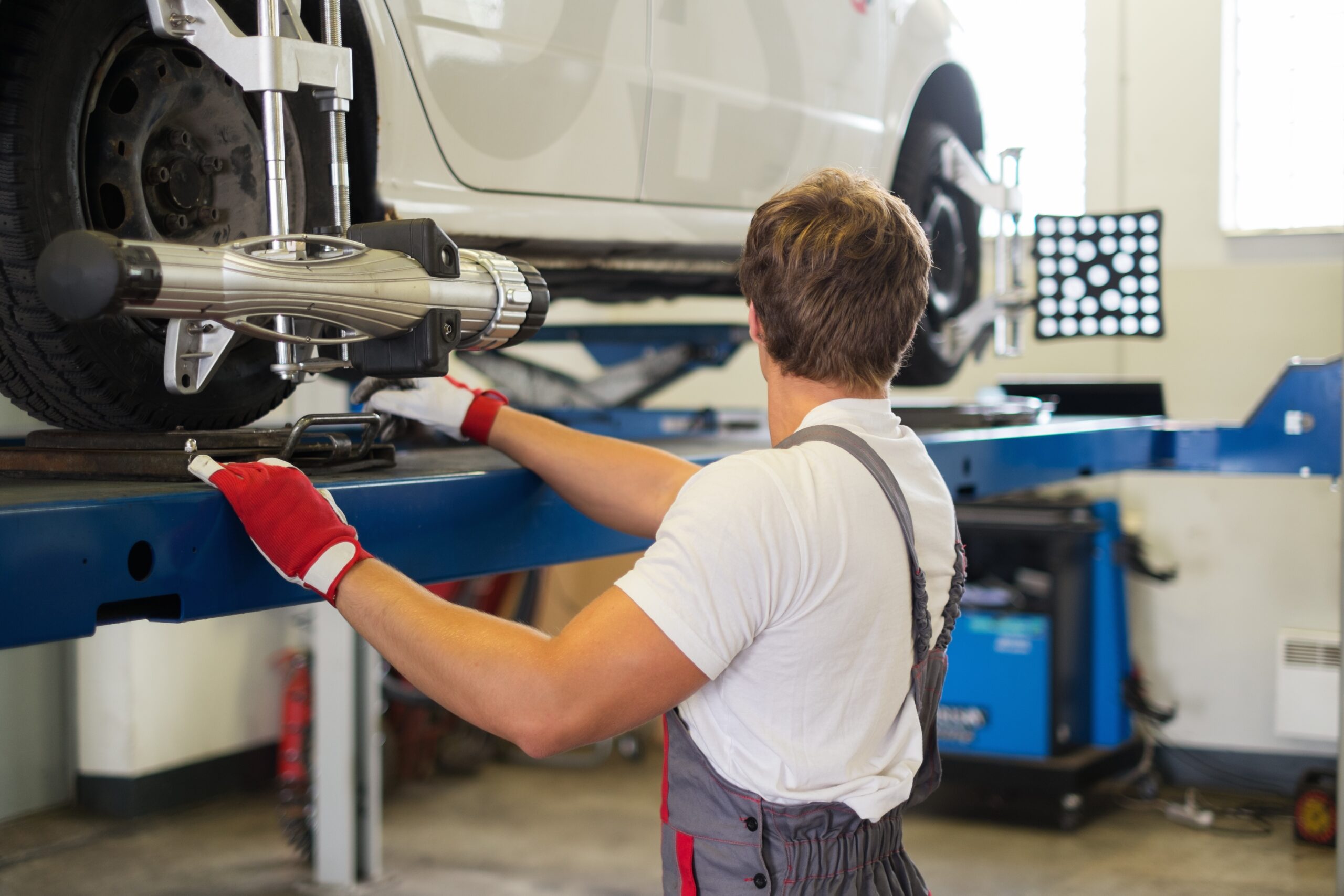
Young serviceman checking wheel alignment  in a car workshop. Tire Rotation and Wheel Alignment

The Difference Between Tire Rotation and Wheel Alignment

Your tires are how the rest of your vehicle interacts with the road, and they have to stand up bravely against gravel, ice, potholes, and debris. Regularly maintaining them by taking care of your tire rotation and wheel alignment is critical, but what is the difference between the two? If you understand the difference, you can better take care of your vehicle altogether. 

Right off the bat, it is important to know that both tire rotation and wheel alignment do wonders to improve the longevity of your tires and overall vehicle performance. Making both services a regular priority can save you a lot of money on costly vehicle repairs. Most importantly, doing so will improve your safety while on the road.

What Is Tire Rotation?

Tire rotation describes shifting the position of each tire on the car. During a tire rotation, your mechanic will switch the front wheels of your vehicle with the rear wheels, and vice versa. The purpose of tire rotation is to even out the wear on all the vehicle’s tires. 

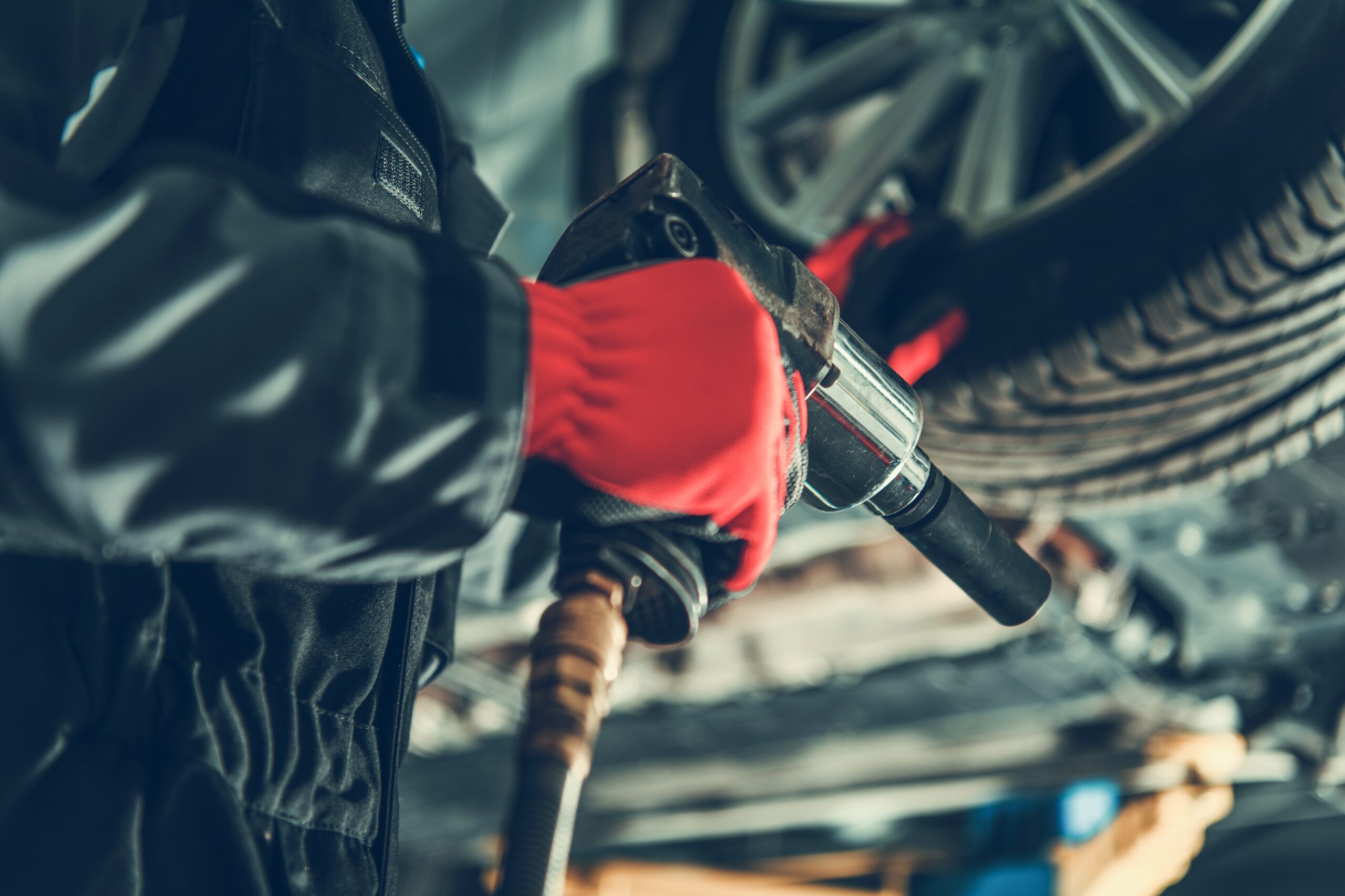
Seasonal Car Wheels Replacement. Car Mechanic with Power Tool Inside the Auto Service. Tire Rotation and Wheel Alignment

Although all four tires are always in contact with the ground, the wear caused by the contact is not always evenly distributed. Part of this has to do with the nature of your vehicle, whether it has Front-Wheel Drive (FWD) or Rear-Wheel Drive (RWD). Vehicles with FWD experience greater friction in the front tires because that’s where the engine’s force is delivered. The opposite is true for RWD vehicles. Because of the nature of momentum, front tires also usually bear more of the vehicle’s weight during braking.

Regular tire rotation is an easy way to save money. The service doesn’t cost very much, and it can extend the life of your tires, which are much more expensive both financially and in regards to safety. Rotating your tires can also save you money by improving your gas mileage as the weight of your vehicle becomes more balanced.

What Is Wheel Alignment?

A wheel alignment checks and adjusts the angles of a vehicle’s tires to keep them aligned correctly. The axels of the suspension system are also corrected if necessary. A correct alignment keeps the tires parallel to each other and perpendicular to the ground. The orientation should line up properly with the steering wheel. A proper alignment ensures that the wheels don’t pull to the right or left. When tires are properly aligned, tire wear is reduced, extending their longevity. 

Assessing Your Vehicle’s Alignment After an Accident

After an accident, it is vital that both tire rotation and wheel alignment be performed professionally. Typically alignment takes precedence after a crash because impacts to the car can misalign the suspension, brakes, and tires. During an alignment, a mechanic will check your tires’ hubs, rims, and spokes to make sure everything is in place. You do not want to be surprised by alignment problems after an accident. Take it in professionally without delay. 

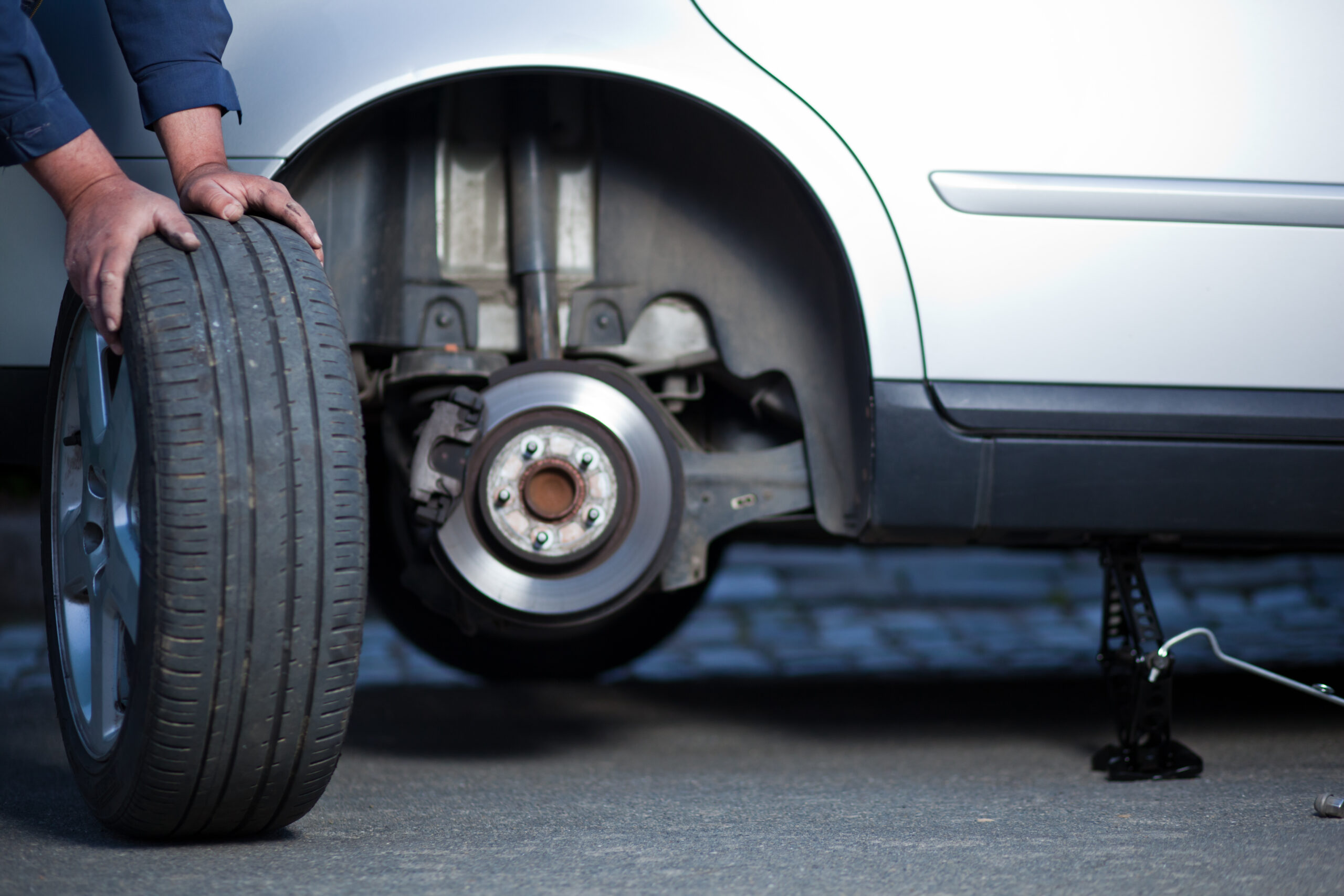
Mechanic changing a wheel of a modern car (shallow DOF; color toned image) Tire Rotation and Wheel Alignment

How Often Should You Have Tire Rotation and Wheel Alignment Taken Care Of?

Knowing when to take care of your tire rotation and wheel alignment is a valuable part of caring for your vehicle. Tire rotation should be addressed more regularly since it is more likely for your tires to wear unevenly than it is for them to become misaligned if you haven’t been in a car accident. While values vary slightly, the window between rotations is between 6,000 and 8,000 miles.

For most people, this means a rotation every few months. Many people have their tires rotated when they get their oil changed so they don’t forget. In fact, many mechanics offer this service as part of their oil change package. It is also wise to rotate your tires if you plan to go on a road trip. 

While tire alignments do not usually need to be performed so regularly (once every two years or when your vehicle undergoes major repairs being the most common practice), it is wise to have your alignment checked when you get your tires rotated. Both services—tire rotation and wheel alignment—are considered preventative measures that can extend the life of your vehicle and promote your personal safety.

Filed Under: Auto Repair Shop

  • « Previous Page
  • 1
  • …
  • 9
  • 10
  • 11
  • 12
  • 13
  • …
  • 21
  • Next Page »

Coupons

coupon

Contact Us

Ray's Muffler Service 792 South 500 West Bountiful, UT 84010

Hours

Hours: Monday - Friday: 7am-6pm Saturday: Closed Sunday: Closed

Ray’s Muffler Service

Ray’s Muffler Service
792 South 500 West
Bountiful, UT 84010
Phone: (801) 292-4731
Monday 7:00 AM - 6:00 PM
Tuesday 7:00 AM - 6:00 PM
Wednesday 7:00 AM - 6:00 PM
Thursday 7:00 AM - 6:00 PM
Friday 7:00 AM - 6:00 PM
Saturday Closed
Sunday Closed

Credit

Contact Us

Ray's Muffler Service 792 South 500 West Bountiful, UT 84010 Hours: Monday - Friday: 8am-6pm Saturday: Closed Sunday: Closed

Follow Us

Facebooktwitterpinterestlinkedinyoutubeinstagram
View us on Yelp

Financing Available

2023 | Ray's Muffler Service | All Rights Reserved | Privacy Policy | Terms | XML Sitemap | Sitemap | Site by PDM