Call Us Today! (801) 292-4731
Ray's Muffler Service Bountiful Utah Car Maintenance

Ray's Muffler Service

  • Auto Repairs
    • AC Repair & Service
    • Cooling Systems
    • Brakes
    • Car Diagnostics
    • Timing Belts
    • Exhaust and Mufflers
    • Steering and Suspension
    • Transmission Repairs
    • Napa Service Assistant
  • Car Maintenance
    • Oil Changes
    • Emissions and Inspections
    • Belts and Hoses
    • Fluid Levels
  • Financing
  • Specials
  • About
    • Blog
  • Contact

Essential Guide to Wheel Alignment After an Impact or Collision

Home|Archives forAuto Repair Shop

After an impact or collision, your vehicle’s wheel alignment might be the last thing on your mind, but it’s crucial for your car’s performance and safety. Whether you’ve just bumped into a curb or had a more serious collision, proper wheel alignment can make all the difference. Misalignment not only affects your car’s handling and tire longevity but also impacts your overall driving experience. This blog will dive into why addressing wheel alignment after an accident is essential, how to identify signs of misalignment, and the steps to ensure your vehicle is back to its best. 

What is Wheel Alignment? 

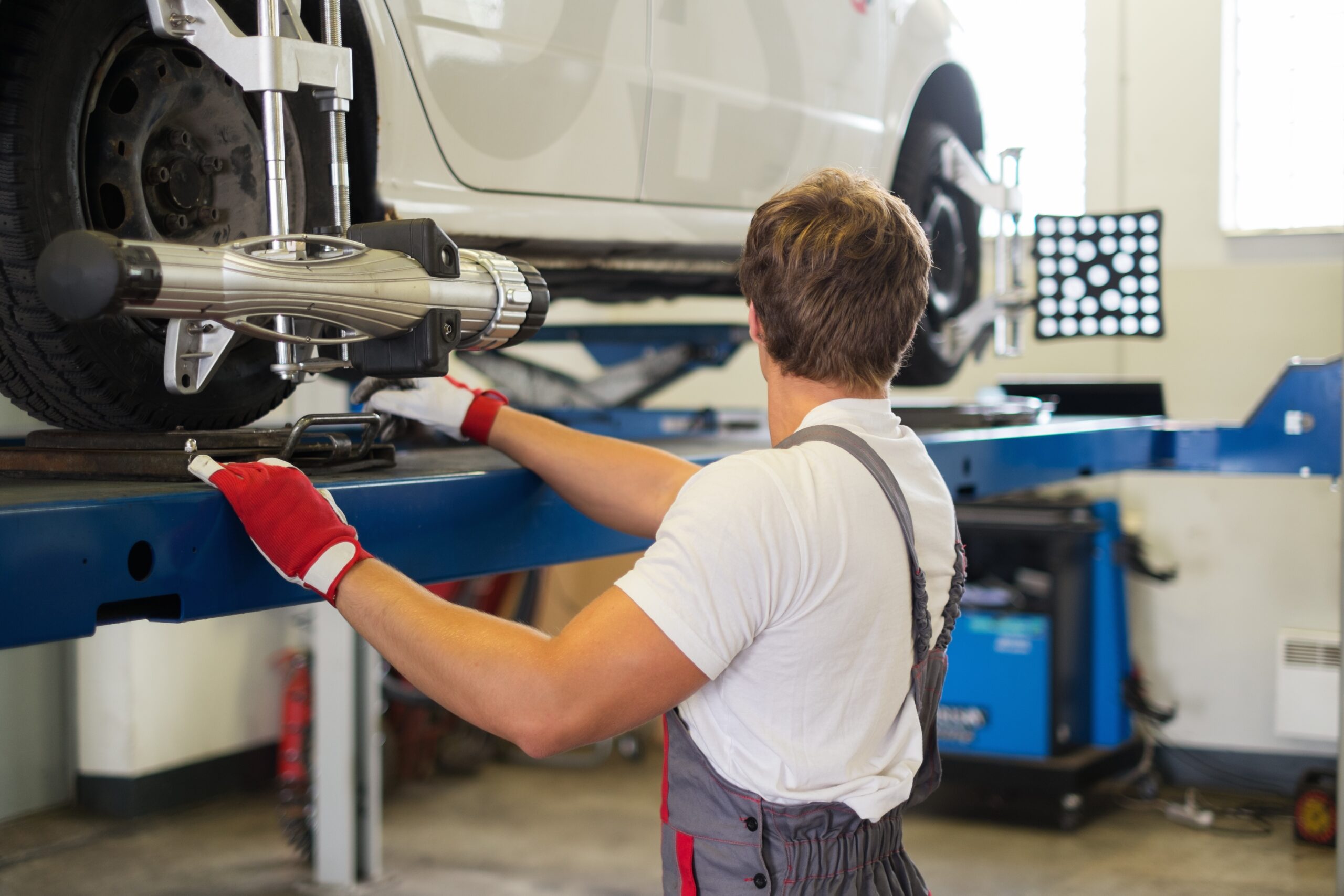
Wheel alignment involves adjusting the angles of the wheels to the car manufacturer’s specifications. The key components of wheel alignment include camber, caster, and toe. Camber is the angle of the wheels in relation to the ground when viewed from the front or back of the car. Caster is the angle of the steering pivot when viewed from the side of the vehicle. Toe refers to the direction the tires point relative to the centerline of the vehicle. Proper alignment ensures these angles are correctly adjusted to enhance vehicle performance.
Essential Guide to Wheel Alignment After an Impact or Collision

Why is Proper Alignment Important? 

Proper wheel alignment is crucial for vehicle handling and tire longevity. Misalignment can cause the car to pull to one side, making it difficult to steer straight. It also leads to uneven tire wear and reduces tire lifespan, which can potentially cause blowouts. A well-aligned vehicle offers better fuel efficiency and a smoother ride to ensure safety and comfort.

Signs of Misalignment After an Impact

Here’s a list of signs of misalignment after an accident:

  • Uneven Tire Wear: Tires show irregular or rapid wear patterns.
  • Steering Wheel Off-Center: The steering wheel is not centered when driving straight.
  • Vehicle Pulling to One Side: The car drifts or pulls to the left or right while driving on a straight, level road.
  • Vibration or Shaking: The steering wheel or car vibrates while driving, especially at higher speeds.
  • Noisy Steering: Unusual noises, such as squealing or clunking, when turning the steering wheel.
  • Difficulty Steering: Increased effort is required to steer, or the steering feels loose or unresponsive.
  • Wandering: The vehicle tends to wander or feel unstable on the road.
  • Poor Handling: The car feels unstable, especially when turning corners or driving on uneven surfaces.

If you notice any of these signs after an accident, it’s important to have your vehicle inspected to ensure proper alignment and safe driving conditions.

Immediate Steps to Take After a Collision

Here are some of the first steps you should take after a collision:

  1. Ensure Safety First: Move to a safe location away from traffic if possible and turn on hazard lights to alert other drivers.
  2. Visual Inspection: Check for obvious damage to the wheels, tires, and suspension components. Look for any visible signs of misalignment or bent parts.
  3. Check Tire Condition: Inspect tires for cuts, bulges, or uneven wear patterns, and ensure that all tires are properly inflated.
  4. Assess Driveability: Carefully test if the vehicle can be driven safely and not any immediate issues, such as pulling to one side, unusual noises, or difficulty steering.
  5. Document the Damage: Take photos of any visible damage to the vehicle, and note any signs of misalignment or other issues you observe. 
  6. Contact Your Insurance Company: Report the accident and provide details of the damage and follow their instructions for the next steps and potential inspection.
  7. Schedule a Professional Inspection: Arrange for a qualified mechanic to perform a thorough inspection of the alignment and suspension.
Essential Guide to Wheel Alignment After an Impact or Collision

The Wheel Alignment Process

The wheel alignment process begins with a thorough initial inspection and diagnosis. Technicians use specialized alignment tools and technology to take precise measurements of the alignment angles. This step ensures an accurate assessment of the vehicle’s current alignment state.

Once the diagnosis is complete, the technician proceeds to adjust the alignment angles of the camber, caster, and toe components. These adjustments are made with precision to meet the manufacturer’s specifications.

After making the necessary adjustments, it’s crucial to ensure all components are functioning properly. The technician will perform a test drive to confirm the alignment accuracy and check for any residual issues. This step verifies that the adjustments have been successful and the vehicle handles correctly on the road.

Choose Ray’s Muffler for Alignment Issues

Ray’s Muffler specializes in addressing alignment problems that often arise after an auto accident to ensure your vehicle returns to optimal performance and safety. With our experienced technicians and state-of-the-art diagnostic tools, we provide precise assessments and adjustments for alignment issues. We also offer other auto repair services to restore your vehicle’s functions in a short amount of time. Contact us today to learn more about our services and get your inspection scheduled.
Filed Under: Auto Repair Shop

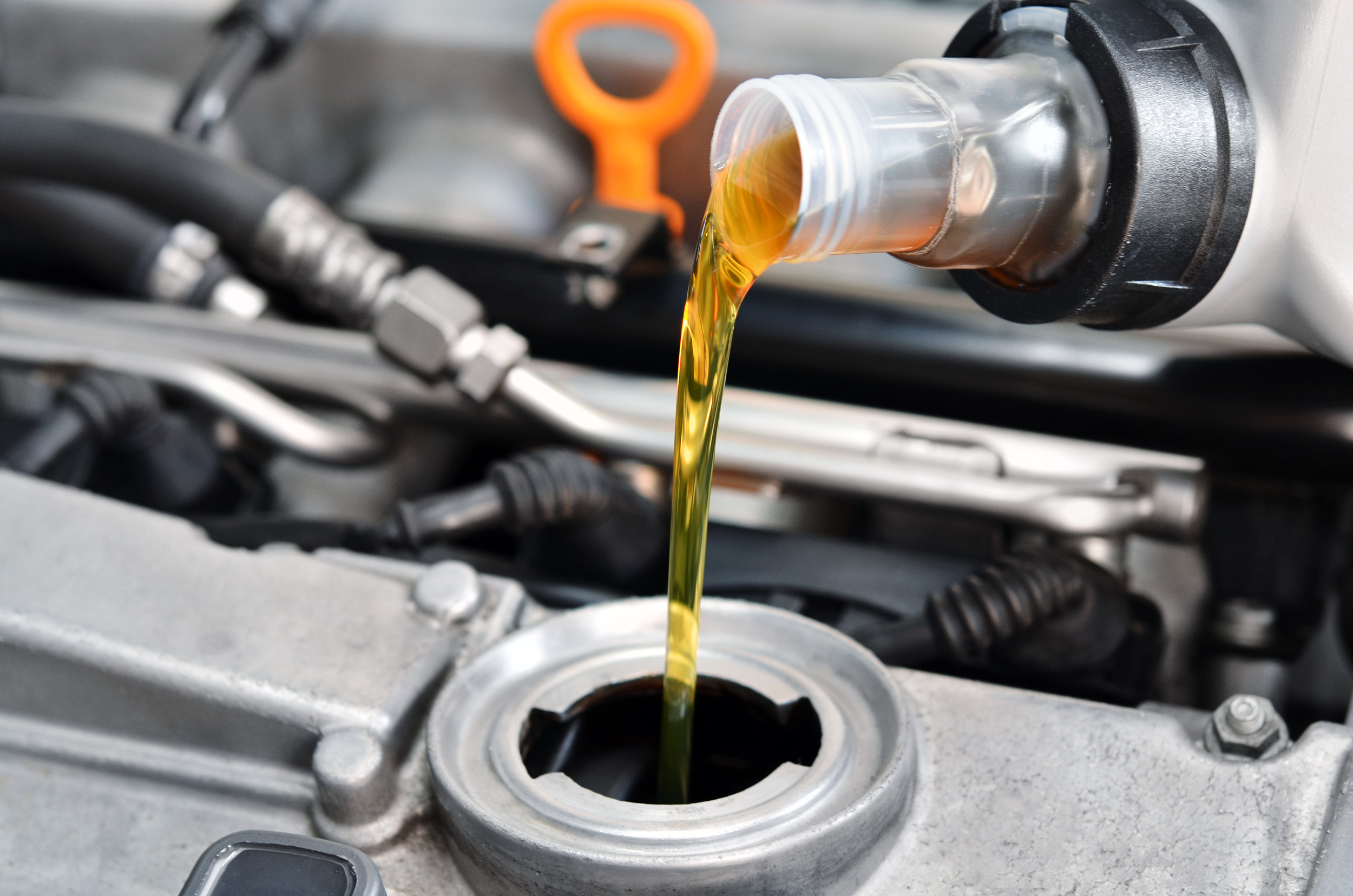
An oil change is a routine vehicle maintenance procedure where the old engine oil is replaced with fresh oil. Engine oil lubricates the moving parts of the engine to reduce friction, prevent overheating, and keep the engine clean by trapping dirt and debris. Regular oil changes are essential to maintaining engine performance and longevity.

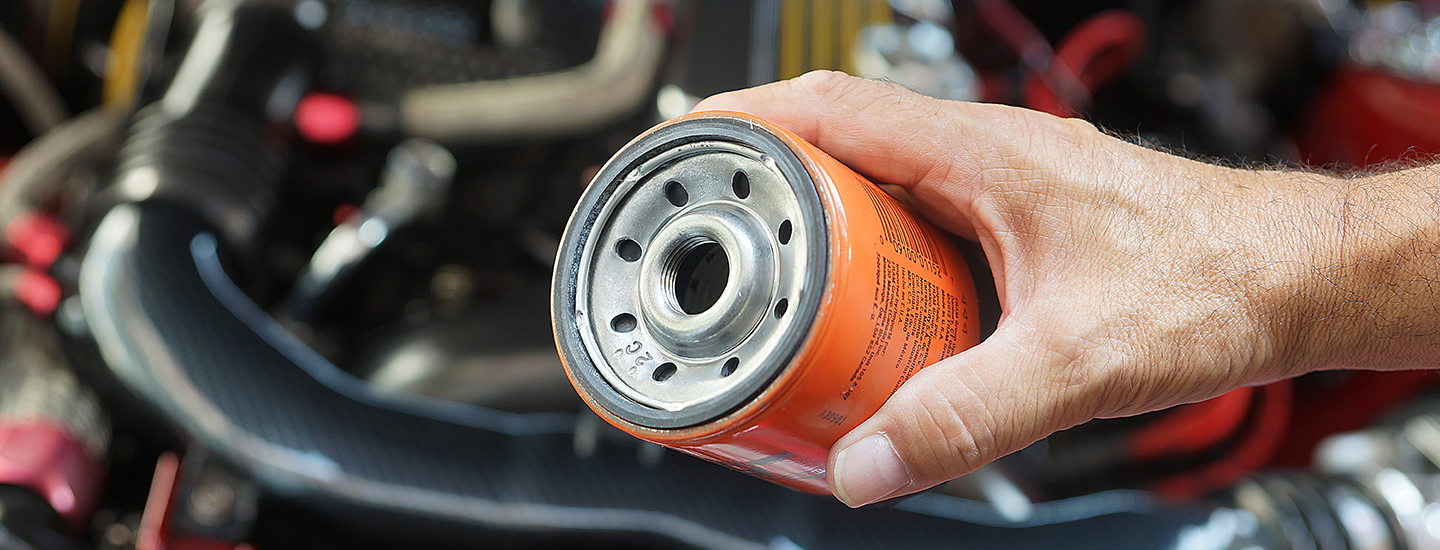
Changing the oil is a relatively straightforward task. The car is lifted and the drain plug is removed to let the old oil drain out into a pan. The old oil filter is removed and replaced with a new one to ensure that contaminants are effectively filtered out. The drain plug is replaced and the engine is filled with new, clean oil according to the manufacturer’s specifications. The last step is to check the oil level with a dipstick to ensure the correct amount of oil has been added.

Benefits of Regular Oil Changes

regular oil changes, Bountiful UT

Engine Lubrication

Keeping engine parts well-lubricated is crucial for reducing friction and wear. Clean oil creates a thin barrier between moving components, allowing them to operate smoothly without grinding against each other. This lubrication minimizes the risk of engine damage and ensures efficient operation, which contributes to the overall health and performance of the vehicle.

Heat Regulation

Clean oil helps in dissipating heat generated by the engine. As the oil circulates, it absorbs and transfers heat away from the engine to prevent it from overheating. Overheating can cause severe damage, including warped engine parts and breakdowns. Regular oil changes ensure that the oil remains effective in managing heat and maintaining optimal engine temperature.

Engine Cleanliness

Oils keeps the engine clean by trapping sludge, dirt, and other contaminants. Over time, these impurities can build up and form deposits that hinder engine performance and efficiency. Regular oil changes remove these contaminants, preventing sludge accumulation and ensuring that the engine stays clean and runs smoothly.

Improved Fuel Efficiency

Oil is important for improving a car’s fuel economy. Clean oil reduces engine friction to allow it to operate more efficiently. When the engine runs smoothly, it requires less effort to move the vehicle, which results in better fuel efficiency. This means fewer trips to the gas station and savings on fuel costs.

regular Oil Changes, Bountiful Utah Ray's Muffler Service

Extended Engine Life

Maintaining clean oil extends the overall life of the engine. By reducing friction, preventing overheating, and keeping the engine clean, regular oil changes help avoid wear and tear that can lead to major engine problems. Consistent oil maintenance ensures that the engine remains in good condition for a long period of time, potentially saving thousands of dollars in repairs and extending the lifespan of the vehicle.

Signs Your Car Needs an Oil Change

  • Warning Lights: If the oil change or check engine light illuminates on your dashboard, it is a clear indicator that your car needs an oil change. These lights are triggered by sensors that detect low oil levels or dirty oil.
  • Engine Noise: Unusual noises such as knocking or rumbling can indicate that the oil is too low or dirty, causing increased friction and wear on engine parts.
  • Dark or Dirty Oil: Check the oil condition using the dipstick. If the oil appears dark and dirty rather than clear and amber, it’s time for a change.
  • Exhaust Smoke: Visible smoke from the exhaust, particularly if it’s blue or dark, can signal that the oil is old and needs to be replaced.
  • Poor Performance: Reduced engine performance, sluggish acceleration, and decreased fuel efficiency can all be signs that your engine oil needs changing.

How Often Should You Change Your Oil?

Manufacturer’s Recommendations

Following the car manufacturer’s oil change schedule is crucial. These guidelines are tailored to your specific vehicle and are based on extensive testing. Typically, manufacturers suggest oil changes every 3,000 to 5,000 miles for conventional oil, but newer cars with synthetic oil can often go 7,000 to 10,000 miles between changes.

Driving Conditions

Driving habits and conditions significantly impact how often you should change your oil. Frequent short trips, stop-and-go city driving, extreme temperatures, and towing heavy loads can cause oil to degrade faster. In such conditions, it’s advisable to change the oil more frequently than the standard recommendation to maintain optimal engine performance.

regular oil changes, Bountiful UT

Get Your Oil Changed With Ray’s Muffler

Changing the oil yourself can be a difficult task if you are unfamiliar with vehicle parts or don’t have the necessary equipment. At Ray’s Muffler, we have highly skilled technicians who can change your oil in a matter of minutes. We even provide you with a sticker to put on your window that will remind you of when you should change your oil next. For all your vehicle maintenance and repair needs, contact us and we will take care of it for you.

Filed Under: Auto Repair Shop

Summer is a wonderful time of year, but it does bring some challenges when it comes to keeping your vehicle cool. Cars face overheating engines, battery failures, and tire blowouts due to high temperatures, which can lead to breakdowns and costly repairs. Because of these potential issues, summer maintenance is crucial for ensuring vehicle longevity and safety. This blog will give you several summer car care tips to keep your vehicle cool and running smoothly.

8 Summer Car Care Tips

summer car care, Bountiful

1. Check and Maintain the Cooling System

    A properly functioning cooling system is important to prevent your car from overheating and causing severe engine damage. Regularly checking and maintaining this system ensures optimal performance. To check coolant levels, ensure the engine is cool, locate the coolant reservoir, and ensure the fluid is between the “min” and “max” lines, topping off with a 50/50 mix of coolant and water if necessary. 

    2. Air Conditioning System Maintenance

      A working air conditioning system is essential for comfort during summer drives. Check and replace the cabin air filter (if needed), which can become clogged with dust and debris. Locate the filter, usually behind the glove compartment or under the dashboard, and replace it if it’s dirty. If the AC isn’t cooling effectively, seek professional servicing to check for refrigerant levels, leaks, or compressor issues. Regular maintenance of the AC system not only keeps you cool but also improves the air quality inside the vehicle to ensure a comfortable and safe driving experience.

      3. Tire Care

        Another crucial aspect of summer car care is proper tire care to ensure safety and performance. Regularly check tire pressure, as high temperatures can cause air to expand and lead to overinflation. Adjust the pressure according to the manufacturer’s recommendations to prevent blowouts. The conditions of the tires should also be inspected such as uneven patterns or low tread depth, which can affect traction. Regular tire rotation and alignment are also important to promote even wear and extend tire life to help with fuel efficiency, handling, and overall safety.

        4. Battery Care

          High temperatures can accelerate the chemical reaction in car batteries which leads to overcharging and reduced battery life. The battery terminals should be regularly cleaned to prevent corrosion and keep the battery reliable. Use a mixture of baking soda and water with a brush to clean off any buildup. Check for any loose connections and ensure they are secure. If the battery is over three years old or shows signs of weakness, such as slow engine starts or dimming lights, consider replacing it. Regular battery maintenance can prevent unexpected failures and keep your vehicle running smoothly in the summer heat.

          summer car care, Bountiful

          5. Fluid Levels and Quality

            Maintaining proper fluid levels and quality is another vital aspect of optimal vehicle performance and summer car care. Oil levels should be regularly checked to be sure it is clean and at the recommended level. Brake fluid, transmission fluid, and windshield washer fluid levels should be monitored and topped off as needed. Look out for any signs of fluid leaks and address them promptly to prevent damage. 

            6. Sun Protection for Your Car

              Protecting your car from the summer sun is crucial for preserving its interior and exterior. Sunshades or window tints can be utilized to shield the interior from UV damage and excessive heat. Parking in the shade or using a car cover also prevents sun damage and prolongs the lifespan of your vehicle’s paint and dashboard. A regular cleaning and application of UV protectant to the dashboard and interior surfaces should be done to prevent cracking and fading, as well. These simple measures maintain your car’s aesthetics and resale value while ensuring a comfortable driving experience.

              7. Emergency Kit for Summer

                A preventative measure to take is to prepare a comprehensive summer car emergency kit with essentials like extra water and coolant to combat dehydration and engine overheating. Sunblock, hats, and sunglasses can be added for personal protection against sun exposure if you get stuck in the heat. Other crucial items comprise a first aid kit, flashlight, jumper cables, and non-perishable snacks. Being prepared ensures safety during unexpected roadside emergencies and allows you to address challenges effectively and stay comfortable in the summer heat.

                8. Driving Habits for Hot Weather

                  There are a few driving habits you can practice during the hot summer months to protect your car. You can reduce engine strain by avoiding aggressive acceleration and maintaining a steady speed. Keep a safe distance from other vehicles to prevent overheating in heavy traffic, and take breaks during long drives to cool the engine. If your car starts overheating, turn off the AC, open windows, and pull over safely. Allow the engine to cool before checking coolant levels and seeking assistance if needed. Adopting these driving habits helps to ensure smoother, safer journeys during hot weather conditions.

                  Ray's Muffler Logo

                  Choose Ray’s Muffler for Professional Assistance

                  Getting your car ready for summer by having professionals inspect it is another way to protect your car this summer. At Ray’s Muffler, we do inspections and any repairs you may need. We can also expound on these summer car care tips to help you understand how to keep your vehicle cool this summer and address any issues that may arise. Contact us to schedule your appointment and get your car ready for this summer.

                  Filed Under: Auto Repair Shop

                  • « Previous Page
                  • 1
                  • …
                  • 7
                  • 8
                  • 9
                  • 10
                  • 11
                  • …
                  • 23
                  • Next Page »

                  Coupons

                  coupon

                  Contact Us

                  Ray's Muffler Service 792 South 500 West Bountiful, UT 84010

                  Hours

                  Hours: Monday - Friday: 7am-6pm Saturday: Closed Sunday: Closed

                  Ray’s Muffler Service

                  Ray’s Muffler Service
                  792 South 500 West
                  Bountiful, UT 84010
                  Phone: (801) 292-4731
                  Monday 7:00 AM - 6:00 PM
                  Tuesday 7:00 AM - 6:00 PM
                  Wednesday 7:00 AM - 6:00 PM
                  Thursday 7:00 AM - 6:00 PM
                  Friday 7:00 AM - 6:00 PM
                  Saturday Closed
                  Sunday Closed

                  Credit

                  Contact Us

                  Ray's Muffler Service 792 South 500 West Bountiful, UT 84010 Hours: Monday - Friday: 8am-6pm Saturday: Closed Sunday: Closed

                  Follow Us

                  Facebooktwitterpinterestlinkedinyoutubeinstagram
                  View us on Yelp

                  Financing Available

                  2023 | Ray's Muffler Service | All Rights Reserved | Privacy Policy | Terms | XML Sitemap | Sitemap | Site by PDM