Call Us Today! (801) 292-4731
Ray's Muffler Service Bountiful Utah Car Maintenance

Ray's Muffler Service

  • Auto Repairs
    • AC Repair & Service
    • Cooling Systems
    • Brakes
    • Car Diagnostics
    • Timing Belts
    • Exhaust and Mufflers
    • Steering and Suspension
    • Transmission Repairs
    • Napa Service Assistant
  • Car Maintenance
    • Oil Changes
    • Emissions and Inspections
    • Belts and Hoses
    • Fluid Levels
  • Financing
  • Specials
  • About
    • Blog
  • Contact

5 Signs Your Timing Belt Needs to Be Replaced

Home|Archives forAuto Repair Shop

Your timing belt is a small but critical part of your engine because it keeps everything running smoothly. If it starts to wear out, your car can experience serious performance issues—or worse, complete engine failure. The tricky part? A failing timing belt doesn’t always show obvious signs until it’s too late. Knowing what to watch for can save you from expensive repairs and unexpected breakdowns. Here are the key warning signs that your timing belt may need to be replaced before it’s too late.

Common Warning Signs of a Failing Timing Belt
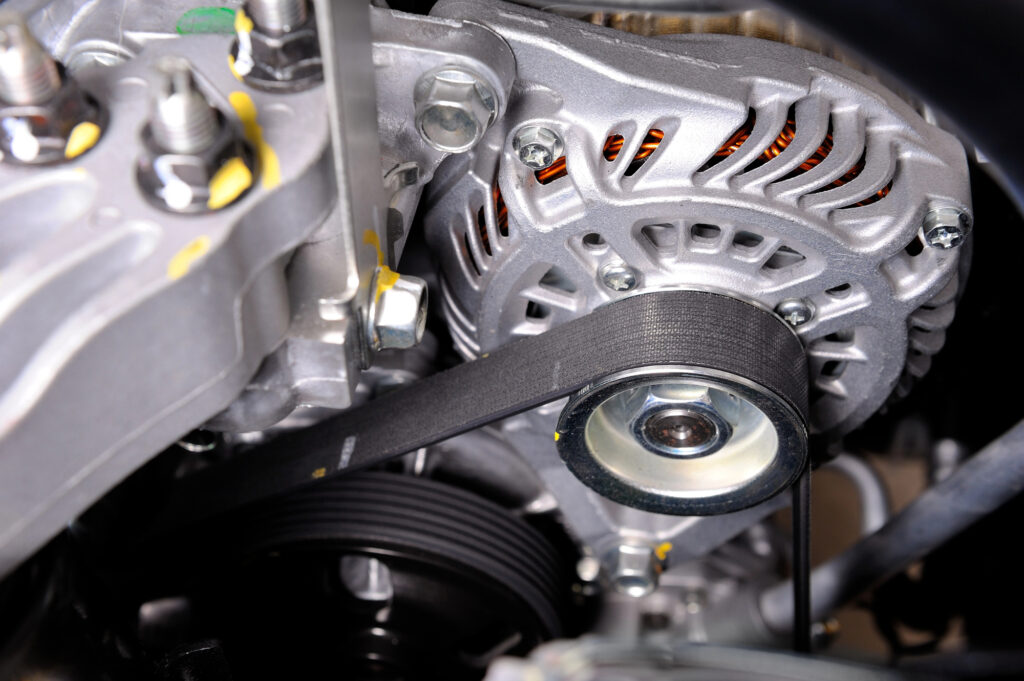
5 Signs Your Timing Belt Needs to Be Replaced

Here are some signs to watch out for that could indicate a failing timing belt:

1. Unusual Ticking Noise: A ticking noise coming from the engine is often one of the first signs of a worn timing belt. Since the belt controls the engine’s valves, a stretched or deteriorating belt can lead to irregular movement, causing this distinct sound. While ticking noises can also indicate low oil levels, a mechanic should inspect your belt if the noise persists.

2. Engine Misfires or Runs Rough: If your car suddenly feels sluggish, hesitates when accelerating, or even misfires, your belt may be at fault. A failing belt can cause improper valve timing that disrupts the combustion process. This misalignment can lead to decreased performance, reduced fuel efficiency, and, if ignored, severe engine damage.

3. Difficulty Starting the Engine: A faulty timing belt can make it harder for your engine to start. If the belt is slipping or has lost its grip on the camshaft, it can disrupt the ignition process. In severe cases, a completely broken belt will prevent the engine from starting at all.

4. Oil Leaks from the Timing Cover: If you notice oil leaking from the front of the engine, especially near the belt cover, it could be a sign of worn-out seals or a failing belt. Leaks in this area can accelerate belt wear, leading to premature failure. Since oil can also affect other engine components, it’s important to address leaks promptly before they cause further damage.

5. Visible Wear and Tear: Over time, belts naturally degrade. Cracks, fraying, or missing teeth on the belt indicate it’s time for a replacement. If your mechanic spots visible damage during an inspection, replacing the belt before it breaks can prevent costly repairs, including potential engine failure.

A failing timing belt is a serious issue that can lead to catastrophic engine damage if ignored. If you experience any of these warning signs, schedule a professional inspection as soon as possible to avoid unexpected breakdowns and costly repairs.

Why You Shouldn’t Ignore These Signs

Your timing belt is a crucial component of your engine, keeping everything running in sync. If the belt snaps while your engine is running, the camshaft and crankshaft will become misaligned, potentially causing the valves to crash into the pistons. This can result in bent valves, damaged pistons, and even a cracked cylinder head—issues that could require a complete engine rebuild or replacement.

The cost of replacing a belt is minimal compared to the expense of repairing a destroyed engine. A proactive belt replacement usually costs a few hundred dollars, while engine repairs from a snapped belt can run into the thousands. Plus, a sudden belt failure can leave you stranded on the road, turning a preventable issue into a major inconvenience.

5 Signs Your Timing Belt Needs to Be Replaced

When to Replace Your Timing Belt

Timing belts don’t last forever, and replacing them at the right time can save you from major engine trouble. Most manufacturers recommend replacing the timing belt every 60,000 to 100,000 miles, but exact intervals vary by make and model. The best way to know when your timing belt needs attention is to check your owner’s manual.

Even if you haven’t hit the mileage threshold, it’s wise to have a professional inspect your timing belt during routine maintenance. Mechanics can spot signs of wear, such as cracks, fraying, or looseness, that might not be obvious to the untrained eye. Since a failing timing belt can break without warning, waiting too long can be an expensive mistake. If you’re unsure about your timing belt’s condition, scheduling an inspection could save you from an unexpected and expensive breakdown.

Choose Ray’s Muffler for Timing Belt Maintenance

At Ray’s Muffler Service in Boutiful, we specialize in timing belt replacements and repairs to ensure your engine runs smoothly. With over 40 years of experience, our skilled technicians provide comprehensive auto maintenance services, including AC repair, brake service, and diagnostics. Trust us to keep your vehicle in top condition and contact us today.

Filed Under: Auto Repair Shop

Your car’s windshield and wipers are essential for clear visibility and safety on the road, especially during rainy or snowy weather. Keeping them in top condition not only ensures a smooth drive but also helps prevent costly repairs down the road. In this blog, we’ll share simple yet effective tips to maintain your windshield and wipers, so you can stay safe and drive with confidence, no matter the weather. Let’s dive into how easy it is to keep your car’s glass in perfect shape!

7 Essential Tips for Maintaining Your Car’s Windshield and Wipers

1. Regularly Inspect Your Windshield and Wipers

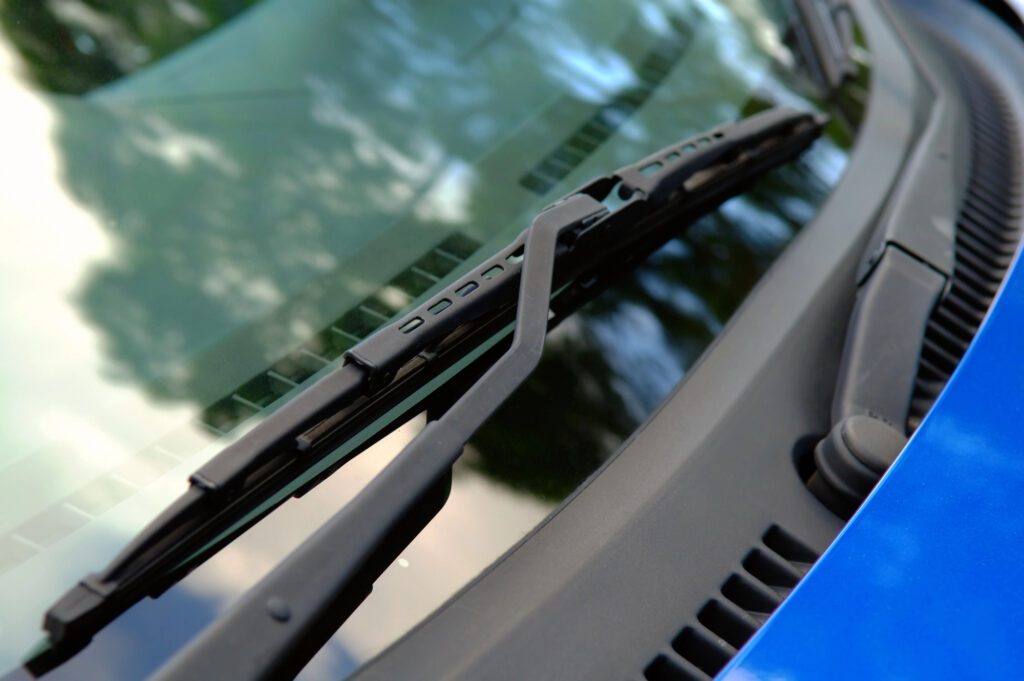
Your windshield and wipers are a critical part of your vehicle’s safety system because they ensure clear visibility. Regularly inspecting your wipers is essential to prevent them from becoming a hazard. Start by looking for cracks, tears, or fraying along the rubber blades. These signs may indicate that the wipers are worn and may not work effectively. 

To test the performance of the wipers, run them over a clean, dry windshield. If they leave streaks, miss spots, or make squeaking noises, it’s a sign they need to be replaced. Regular inspections will help you catch small issues before they turn into major problems, keeping you safe and your windshield spotless.

2. Clean Your Windshield Regularly

Keeping your windshield clean is more than just about appearance—it plays a key role in ensuring both your visibility and protecting your windshield and wipers. Dirt, grime, and debris can accumulate over time, which can lead to scratches on the glass and cause your wipers to wear out faster. By cleaning your windshield regularly, you prevent this buildup and keep the surface smooth for better wiper performance.

When cleaning, use a dedicated glass cleaner that’s ammonia-free to avoid damaging the glass or tint. A microfiber cloth is ideal for wiping away residue without leaving streaks. For stubborn grime, you may consider using a rubber blade or soft sponge. Regular cleaning ensures a clearer view of the road, prolongs the life of your windshield, and improves the performance of your wipers.

3. Replace Wiper Blades as Needed

Wiper blades typically need replacing every six to twelve months, but it’s important to check them regularly for signs of wear. Look for issues like streaking, skipping, or squeaking when the wipers are in use. These are signs that the rubber is deteriorating and won’t effectively clear the windshield, compromising visibility.

There are various types of wiper blades to choose from. Standard blades are affordable and widely available. Beam blades are designed for better performance in heavy rain or snow, and hybrid blades offer the benefits of both styles, ensuring a smoother, more consistent wipe. Regularly replacing your wiper blades ensures clear visibility and safe driving, no matter the weather conditions.

7 Essential Tips for Maintaining Your Car’s Windshield and Wipers

4. Keep the Windshield Washer Fluid Full

Running out of windshield washer fluid may seem like a small issue, but it can seriously affect your visibility and safety. Without enough fluid, your wipers may smear dirt and debris across the windshield instead of cleaning it off, leaving you with obstructed vision, especially during rain or a bug-filled drive. It’s crucial to always keep the reservoir full so you’re prepared for any situation.

When choosing windshield washer fluid, look for one that suits your climate. In colder areas, opt for a fluid that prevents freezing, while those in warmer climates may want a cleaner with bug-removal properties. Regularly checking and topping off your washer fluid helps maintain clear visibility, especially on long trips or during unexpected weather.

5. Protect Your Windshield from Damage

Your windshield faces constant wear, and small chips or cracks can escalate quickly if not addressed. Prevent damage by avoiding extreme temperature changes—don’s use hot water to defrost in winter, and park in shaded areas when possible. If a chip or crack occurs, act quickly. Small chips can often be repaired easily, but if left too long, they can spread and require a full replacement. Cracks larger than a dollar bill or in the driver’s line of sight should be replaced to ensure safety. Regular inspection can help you avoid more expensive repairs.

6. Use the Right Wiper Settings

Using the correct wiper settings is important for optimal performance and longevity of your wipers. Avoid running wipers when the windshield is dry or frozen, as this can cause unnecessary wear on both the blades and the glass, leading to streaks or even scratches. For light rain, use the intermittent setting to allow the wipers to clear the windshield without overworking them. In heavier rain, switch to constant wiping for better coverage. Always adjust the settings according to the weather conditions, and remember that using the right setting can extend the life of your wipers and ensure a clearer view.

Addressing Common Issues

If your wipers are skipping or smearing, it usually means the blades are worn or there’s debris on the windshield or wiper itself. Start by cleaning both the windshield and the blades with a soft cloth to remove any dirt or residue. If the issue persists, inspect the wiper blades for cracks, tears, or bent frames, and replace them if necessary.

7 Essential Tips for Maintaining Your Car’s Windshield and Wipers

If your wipers are making noise, it could be due to worn-out blades or dirt buildup on the windshield. Check the blades for damage and ensure they are properly aligned with the windshield. Clean both the wipers and the glass thoroughly, and if the noise continues, replacing the blades is often the solution for smoother, quieter operation.

Fix Vehicle Issues With Ray’s Muffler

Ray’s Muffler isn’t just your go-to for muffler and exhaust issues—we also provide a range of car maintenance services, including windshield wiper repairs and replacements. If your wipers are leaving streaks or not performing as they should, we can help get them working smoothly again. Plus, our expert team can assist with everything from brake checks to tire rotations, ensuring your vehicle runs safely and efficiently. Reach out to us today to schedule your appointment and keep your car in top shape!

Filed Under: Auto Repair Shop

Cold weather can be tough on cars, especially when it comes to your car’s engine performance. Many of us have faced slow starts, drained batteries, or unexpected issues when the temperature drops. Understanding how cold weather impacts your engine can keep your car running smoothly throughout the season. Let’s dive into why winter takes such a toll on engines and how you can prepare your vehicle to handle the chill.

How Cold Weather Affects Your Car’s Engine and How to Protect It

How Cold Weather Affects Your Car’s Engine

Here are some of the biggest effects cold weather has on your engine:

  • Battery Performance: Cold temperatures can greatly reduce a car battery’s ability to hold a charge, increasing the chance of a dead battery, especially in the morning. In subzero temperatures, the battery’s power output may drop by up to 50%, making it harder for the engine to turn over and start. Cold weather can also add more resistance to a struggling battery because of thickened engine oil.
  • Thickening of Engine Oil: Cold weather causes engine oil to thicken, meaning it doesn’t flow as freely. This thickened oil  makes it harder for the engine to turn over and for the oil to circulate properly. Without proper lubrication, engine parts experience more friction, which can increase wear and tear. Using a winter-grade oil can help mitigate this issue by maintaining better flow in low temperatures.
  • Fuel System Issues: In freezing temperatures, moisture in the fuel lines or tank can freeze, potentially blocking fuel from reaching the engine. Condensation can also build up in a partially filled gas tank, which may dilute fuel and create issues in fuel flow. Keeping the tank full and using fuel stabilizers can help reduce condensation risks. 
  • Cooling System Stress: The cooling system, which includes antifreeze, protects the engine from freezing temperatures. If the coolant isn’t mixed properly, it may freeze, potentially leading to severe damage like a cracked radiator or engine block. Regularly checking antifreeze levels and ensuring proper winterization of the cooling system can prevent these costly damages.

Protecting Your Engine in Winter

Now that you know the dangers of winter weather on your vehicle, let’s take about ways to protect your engine:

Battery Maintenance

Cold weather decreases battery power, making it harder to start your car. Check your battery terminals regularly for corrosion, as even a small amount can prevent a good connection. Use a battery tester or take your car to a mechanic to assess the battery’s condition. If it’s several years old, you may consider replacing it because newer batteries are more reliable in winter. Keeping jumper cables in your car is also wise in case of an emergency.

Use Winter-Grade Oil

Cold temperatures cause oil to thicken, which slows down lubrication and potentially causes excess wear on engine parts. Winter-grade oils are designed to maintain proper viscosity even in freezing temperatures, ensuring smooth operation. Check your owner’s manual for the recommended oil grade for winter months, as many manufacturers suggest lighter oils for cold climates to help your engine turn over more easily.

Coolant and Antifreeze

Engine coolant should contain antifreeze to prevent it from freezing in cold weather. Without adequate antifreeze, coolant can freeze, causing radiator and engine block damage. Regularly check coolant levels and ensure a proper antifreeze mix for your region’s climate. This check-up not only keeps your engine safe but also helps prevent overheating by maintaining the cooling system’s efficiency.

How Cold Weather Affects Your Car’s Engine and How to Protect It

Inspect Hoses, Belts, and Exhaust

Low temperatures can make rubber belts and hoses brittle, increasing the chance of breakage. Perform regular inspections for cracks, wear, or looseness that could lead to leaks or failure. If hoses appear worn, replace them before they rupture. Also check your exhaust system for leaks, as these can increase the risk of carbon monoxide entering the cabin, especially in winter when ventilation is often limited.

Engine Warm-Up

Allowing your engine to idle for a minute or two before driving gives the oil time to warm up and circulate fully. This initial warm-up period ensures that oil reaches essential components for proper lubrication. Avoid revving the engine while it’s still cold, as it can put unnecessary strain on engine parts, reducing the risk of wear and tear and improving efficiency during winter drives.

Check Fuel System

Cold weather can cause condensation to form in a near-empty fuel tank, which can then freeze in the fuel lines, blocking fuel flow and potentially preventing your car from starting. To prevent this, keep your fuel tank at least half full throughout winter. This simple habit helps prevent condensation buildup and keeps your car running smoothly, reducing the risk of performance issues in the cold.

Choose Ray’s Muffler for Winter Car Maintenance

Ray’s Muffler can help prepare your car’s engine for winter with essential services like battery checks, exhaust inspections, and system tune-ups. Our expert team ensures each part of your engine is in top condition to handle cold temperatures, reducing the risk of breakdowns and boosting performance. With a focus on reliability and winter-specific maintenance, Ray’s Muffler offers comprehensive care to keep your car running smoothly all season long. Contact us to learn more about what we can do for you!

Filed Under: Auto Repair Shop

  • « Previous Page
  • 1
  • …
  • 5
  • 6
  • 7
  • 8
  • 9
  • …
  • 23
  • Next Page »

Coupons

coupon

Contact Us

Ray's Muffler Service 792 South 500 West Bountiful, UT 84010

Hours

Hours: Monday - Friday: 7am-6pm Saturday: Closed Sunday: Closed

Ray’s Muffler Service

Ray’s Muffler Service
792 South 500 West
Bountiful, UT 84010
Phone: (801) 292-4731
Monday 7:00 AM - 6:00 PM
Tuesday 7:00 AM - 6:00 PM
Wednesday 7:00 AM - 6:00 PM
Thursday 7:00 AM - 6:00 PM
Friday 7:00 AM - 6:00 PM
Saturday Closed
Sunday Closed

Credit

Contact Us

Ray's Muffler Service 792 South 500 West Bountiful, UT 84010 Hours: Monday - Friday: 8am-6pm Saturday: Closed Sunday: Closed

Follow Us

Facebooktwitterpinterestlinkedinyoutubeinstagram
View us on Yelp

Financing Available

2023 | Ray's Muffler Service | All Rights Reserved | Privacy Policy | Terms | XML Sitemap | Sitemap | Site by PDM