Call Us Today! (801) 292-4731
Ray's Muffler Service Bountiful Utah Car Maintenance

Ray's Muffler Service

  • Auto Repairs
    • AC Repair & Service
    • Cooling Systems
    • Brakes
    • Car Diagnostics
    • Timing Belts
    • Exhaust and Mufflers
    • Steering and Suspension
    • Transmission Repairs
    • Napa Service Assistant
  • Car Maintenance
    • Oil Changes
    • Emissions and Inspections
    • Belts and Hoses
    • Fluid Levels
  • Financing
  • Specials
  • About
    • Blog
  • Contact

Winter Car Fluids: Important Parts to Check and When to Replace Fluids

Home|Archives forAuto Repair Shop

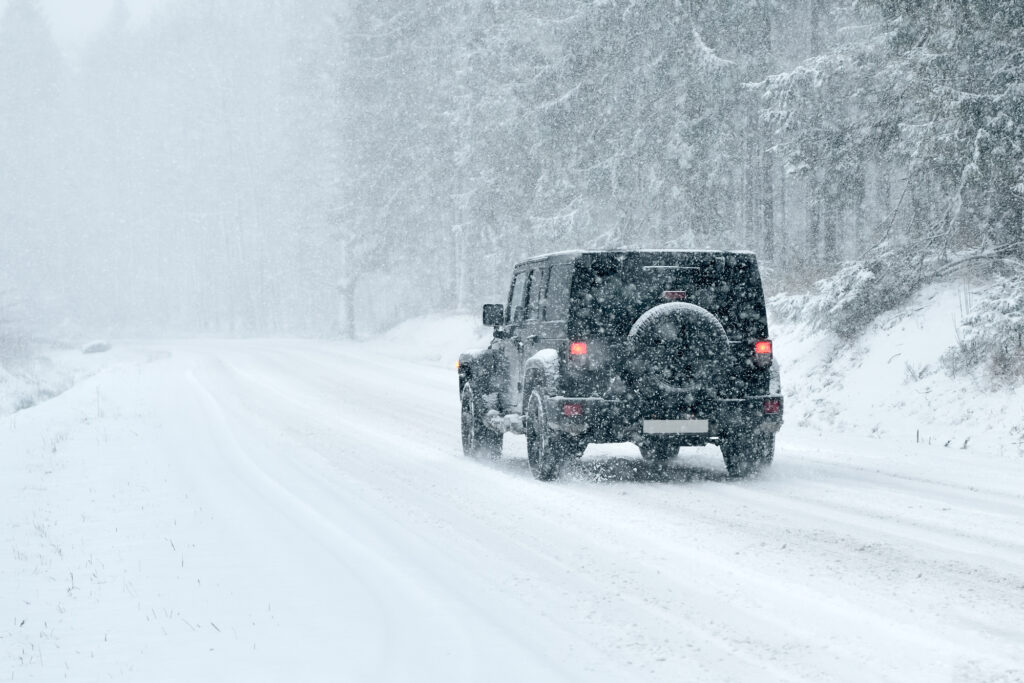
As winter sets in, it’s crucial to ensure your vehicle is ready to tackle the cold. Winter car fluids play a vital role in maintaining performance and safety during chilly months. From engine oil to antifreeze, each fluid has unique requirements that change with the temperature. In this blog, we’ll guide you through what to check and when to replace these essential fluids, helping you avoid potential breakdowns and keep your car running smoothly all winter long.

6 Winter Car Fluids to Check and Replace
Winter Car Fluids: Important Parts to Check and When to Replace Fluids

Checking different fluids is very important to prepare your vehicle for colder temperatures. Here are six winter car fluids to check and replace, if necessary:

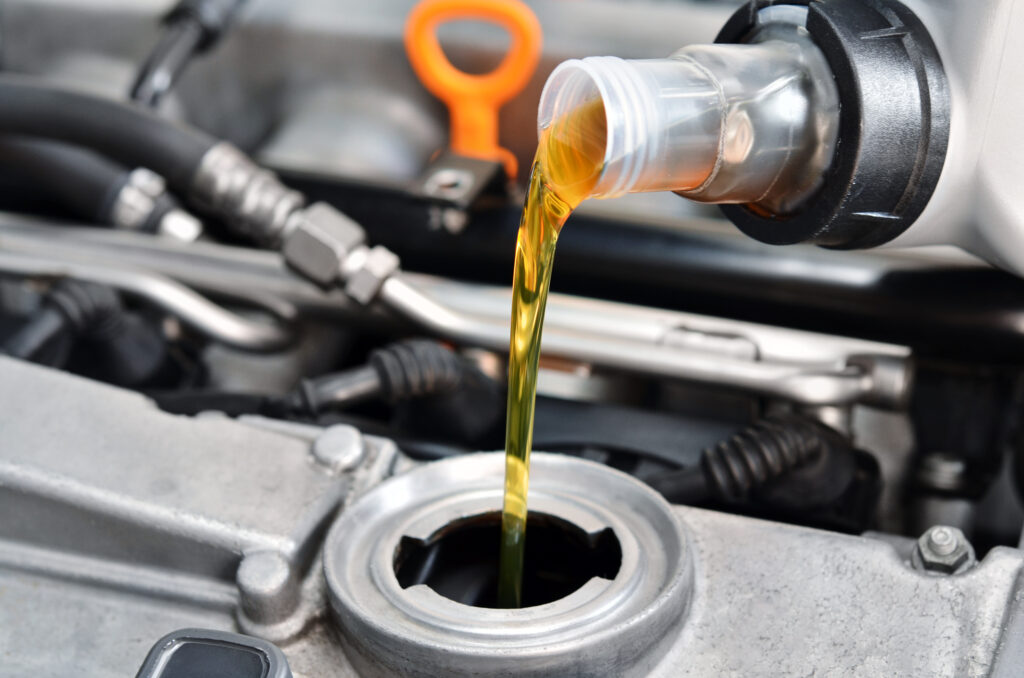
1. Engine Oil

Cold winter temperatures can cause engine oil to thicken, making it harder for the oil to flow and properly lubricate engine components, which can affect performance and cause engine strain. To address this, consider switching to a winter-grade oil or a synthetic oil, as these are formulated to maintain fluidity in low temperatures. Before winter, check your oil level and quality, looking for any signs of contamination or darkening, which can indicate that it’s time for an oil change to ensure your engine stays protected through the cold season. 

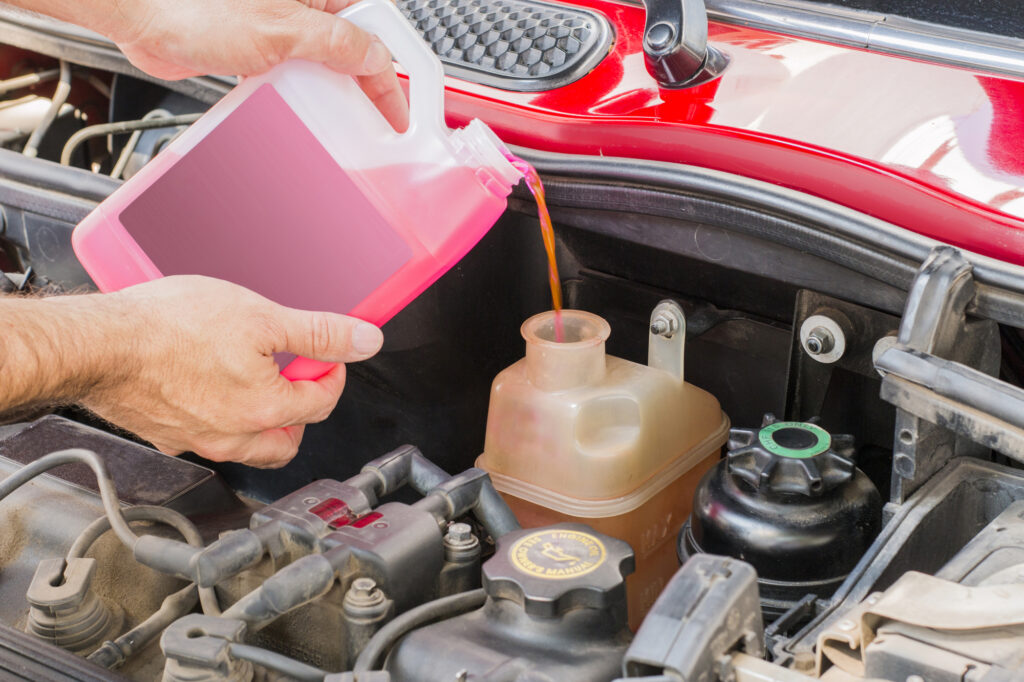
2. Antifreeze/Coolant

Antifreeze, or coolant, is essential in winter because it prevents your engine from freezing in cold weather and helps regulate its temperature to avoid overheating. To keep your antifreeze working effectively, check the fluid levels regularly, ensuring it meets the manufacturer’s guidelines. Before winter, it’s also wise to flush and replace coolant if it appears discolored or if the vehicle has reached its maintenance interval. For optimal performance, maintain a 50:50 mix ratio of coolant to water, which provides the best protection against freezing and maintains efficient engine temperature control in winter conditions.

3. Windshield Washer Fluid

Winter windshield washer fluid is designed to stay liquid in freezing temperatures, preventing blockages and ensuring clear visibility. Unlike regular fluid, winter formulas have antifreeze properties that protect your system from freezing. Maintaining adequate washer fluid levels is important so you should refill or replace the fluid if it’s low, especially before storms. De-icer additives are particularly beneficial, breaking down frost and ice on the windshield to keep your view clear, even in extreme weather conditions.
Winter Car Fluids: Important Parts to Check and When to Replace Fluids

4. Transmission Fluid

Cold weather thickens transmission fluid which makes it less effective for smooth gear shifts and overall performance. This can lead to sluggish gear engagement, especially during cold starts. Regularly check transmission fluid levels and inspect for signs of wear or contamination, like discoloration or a burnt smell, which signal the need for replacement. Maintaining proper fluid levels is essential for safe winter driving, as it supports seamless shifts on icy or snowy roads, reducing strain on the transmission system and preventing potential breakdowns in extreme conditions.

5. Brake Fluid

Another winter car fluid that can be affected by cold temperatures is brake fluid, which can alter its viscosity and performance. During winter, fluctuations in temperature may impact brake responsiveness, making it essential to inspect fluid levels and condition. Regular checks—typically recommended every one to two years—help ensure fluid remains free of moisture or debris, which can reduce braking efficiency. Clean, uncontaminated fluid is crucial for safe driving on icy roads, where reliable braking power can make a critical difference in handling sudden stops and maintaining control in slippery conditions.

6. Power Steering Fluid

Cold weather can significantly affect power steering fluid and cause it to thicken, which makes steering more difficult. To ensure smooth handling, check fluids regularly and top off when necessary; signs of low or contaminated fluid include steering stiffness and unusual noises. You can prevent winter steering issues by maintaining your power steering system, ensuring it’s in good condition before colder temperatures set in. Regular inspections can help avoid complications and ensure optimal performance throughout the winter months.
Winter Car Fluids: Important Parts to Check and When to Replace Fluids

Choose Ray’s Muffler for Winter Car Maintenance

At Ray’s Muffler, we understand that maintaining your vehicle during winter is essential for safety and performance. Our expert technicians are equipped to check and top off all critical winter car fluids, including antifreeze, brake fluid, and power steering fluid. We conduct thorough inspections to identify any maintenance issues, and if we find any, we effectively address them to ensure your car operates smoothly in cold conditions. By trusting Ray’s Muffler for your winter preparations, you can drive confidently knowing your vehicle is in top shape. Contact us to learn more about our services.

Filed Under: Auto Repair Shop

We’ve all been there: you’re driving, and suddenly that dreaded tire-pressure warning light flashes on your dashboard. It can be alarming, but don’t panic! Understanding what this light means and knowing the steps to take can keep you safe on the road. In this guide, we’ll walk you through what to do next and help you get back on track with confidence.

What Does the Tire-Pressure Warning Light Mean?

The Tire-Pressure Monitoring System (TPMS) is designed to alert drivers when one or more tires have insufficient air pressure, which can compromise safety and fuel efficiency. The system works through sensors in each tire that monitor pressure levels, sending a signal to your dashboard if they fall below the recommended level. 

The light can come on for several reasons: a slow air leak, a puncture, or even a significant drop in outside temperature that affects air pressure. It’s important to remember that even if the tire doesn’t appear flat, driving on underinflated tires can lead to poor handling, reduced fuel efficiency, and increased wear. When the light comes on, it’s essential to check your tire pressure promptly to prevent potential damage or accidents.

Your Tire-Pressure Warning Light Just Came On. What Do You Do Now?

Check Your Tire Pressure Immediately

When your tire-pressure warning light comes on, checking your tire pressure immediately is crucial. Here’s a simple step-by-step guide on how to do that:

  1. Get a tire pressure gauge, either a digital or manual gauge works well.
  2. Remove the valve cap from the tire’s valve stem.
  3. Press the gauge onto the valve stem firmly to get a reading.
  4. Compare the reading with the recommended tire pressure, which can typically be found on a sticker inside your car door or in your owner’s manual.

Most passenger vehicles require 30-35 PSI. If the reading is below the recommendation, the tires need to be inflated to the correct level. If overinflated, you can release air until it matches the recommended pressure.

Inflate Your Tires to the Correct Pressure

Once you’ve checked your tire pressure and found it to be low, it’s essential to inflate your tires to the correct pressure to ensure optimal performance and safety. The recommended tire pressure can usually be found on a sticker inside the driver’s door, and this information specifies the ideal PSI for your specific vehicle, which is crucial for proper handling, fuel efficiency, and tire longevity.

To inflate your tires, you have several options. Gas station air pumps are commonly available and typically cost a small fee or are free. Simply park next to the pump, remove the valve cap, and attach the air nozzle securely to the valve stem. Inflate the tire gradually and check the pressure periodically with your gauge to avoid overinflation.

Another convenient option is using a portable compressor, which you can keep in your vehicle for emergencies. These compressors are user-friendly and often plug into your car’s power outlet.

If you prefer professional assistance, visiting a tire shop is an excellent choice. They can not only inflate your tires but also check for leaks or other issues. Regularly maintaining proper tire pressure will enhance your driving experience and extend the life of your tires.

Inspect for Visible Damage

Another important step to take when the tire-pressure warning light comes on is to inspect your tires for visible damage. Start by examining each tire closely for any punctures, cuts, or irregular wear patterns. Look for foreign objects like nails or glass embedded in the tread, and check the sidewalls for any cracks or bulges, which can indicate more serious structural issues. If you notice any visible damage, it’s essential to address it immediately.

Your Tire-Pressure Warning Light Just Came On. What Do You Do Now?

If you spot a flat tire, your first step should be to safely pull over to a flat, stable surface away from traffic. Turn on your hazard lights to alert other drivers. If you have a spare tire and the necessary tools, you can attempt to change the tire yourself. Be sure to follow proper safety procedures: loosen the lug nuts, lift the vehicle with a jack, and replace the damaged tire with the spare.

Monitor the Tire-Pressure Light

After inflating your tires, it’s essentially to monitor the tire-pressure warning light closely. You may need to recheck the tire pressure to ensure it’s at the recommended level. If the light continues to stay on, it’s best to consult a professional to diagnose potential problems, such as a malfunctioning TPMS.

Keep in mind that tire pressure can fluctuate with temperature changes; colder weather often leads to decreased pressure. Regularly checking your tire pressure, especially during seasonal transitions, ensures optimal performance and safety while driving. Consistent monitoring can help prevent potential issues before they escalate, keeping you safe on the road. 

Choose Ray’s Muffler for Auto Maintenance Needs

Ray’s Muffler is ready to assist you with all your auto maintenance needs, including tire checks and pressure adjustments to ensure your vehicle runs smoothly and safely. Our skilled technicians provide thorough inspections and can help identify any tire issues, ensuring optimal performance and longevity. Contact us today to learn more about our services and get yours scheduled. 

Filed Under: Auto Repair Shop

Keeping an eye on your tires is crucial for safe driving, but how do you know when they’re past their prime? Tires wear out gradually, and spotting the signs early can save you from a roadside mishap or costly repairs. In this blog, we’ll explore the top five signs that indicate it’s time to replace your tires. Whether you’re a seasoned driver or just starting out, these tips will help you stay safe and keep your vehicle running smoothly.

Signs to Replace Your Tires

Top 5 Signs It's Time to Replace Your Tires

1. Tread Depth is Too Low

Tread depth plays a crucial role in maintaining your vehicle’s grip on the road, especially in wet or slippery conditions. Adequate tread depth helps prevent hydroplaning by channeling water away from the tire, ensuring better traction and control. To check your tread depth, you can use the simple penny test: insert a penny into the tread groove with Lincoln’s head facing down. If you can see the top of Lincoln’s head, your tread is too low, and it’s time to replace your tires.

Alternatively, a tread depth gauge provides a more accurate measurement. The legal minimum tread depth is typically 2/32 of an inch, but experts recommend replacing tires when they reach 4/32 of an inch to maintain optimal safety and performance. Keeping an eye on your tread depth is essential for safe driving and avoiding potential accidents.

2. Visible Tire Damage

Visible damage to your tires, such as cracks, bulges, punctures, or cuts, can signal the need to replace your tires. Cracks often appear on the sidewall or tread due to aging or exposure to harsh weather conditions. Bulges can form when the internal structure of the tire is compromised, usually from hitting potholes or curbs, which can cause the tire to weaken. Punctures and cuts may occur if the tire encounters sharp debris on the road.

Ignoring visible damage is risky, as it can lead to tire blowouts, increasing the chances of losing control of the vehicle. Blowouts, especially at high speeds, can be extremely dangerous and cause accidents. To ensure your safety and that of your passengers, regularly inspect your tires for visible damage and replace them as needed.

3. Uneven Tire Wear

Uneven tire wear is a clear indicator that it may be time to replace your tires. Common causes of uneven tire wear include misalignment of the wheels, improper tire inflation, or suspension issues. If your tires are wearing more on one side or have noticeable wear patterns on the center or edges, it could point to these problems.

Identifying uneven wear early can prevent further damage; look for tread that is deeper on one side or patches of balding. To prevent uneven wear and extend tire life, it’s crucial to regularly rotate your tires, ensure your wheels are properly aligned, and maintain correct tire pressure. Addressing these issues not only helps in maximizing the life of your tires but also enhances your vehicle’s safety, handling, and fuel efficiency.

Top 5 Signs It's Time to Replace Your Tires

4. Frequent Air Pressure Loss

Frequent air pressure loss in your tires is a warning sign that should not be ignored, and is a sign to replace your tires. While a small amount of pressure loss over time is normal due to temperature changes, consistent loss beyond this can indicate a problem. Potential causes of abnormal pressure loss include punctures from nails or other debris, valve stem issues where the air is escaping, or bead leaks where the tire meets the rim.

If you’re constantly refilling your tires, it’s crucial to determine whether a repair is possible or if a full replacement is necessary. Small punctures in the tread may be repairable, but sidewall damage or significant leaks usually require tire replacement. Ignoring frequent air loss can lead to unsafe driving conditions, decreased fuel efficiency, and potential tire failure, making it vital to address these issues promptly.

5. Age of the Tires

The age of your tires is a crucial factor in determining when you need to replace your tires. Most tires have a lifespan of about 6-10 years, depending on the manufacturer. As tires age, signs of wear such as cracking, drying, and hardening of the rubber can appear, compromising their safety and performance. To check the age of your tires, look for the DOT code on the sidewall; the last four digits indicate the week and year of manufacture. Regularly checking your tires’ age helps ensure they remain in good condition and safe for driving.

Choose Ray’s Muffler for Car Maintenance

Ray’s Muffler provides comprehensive auto repair and maintenance services, including tire checks. Our skilled technicians handle everything from routine tire inspections to complex repairs to ensure your vehicle runs smoothly and safely. Whether you need a quick tire check or extensive maintenance, Ray’s Muffler offers reliable service to keep your vehicle in top shape. Contact us today to learn more about our services and get yours scheduled.

Filed Under: Auto Repair Shop

  • « Previous Page
  • 1
  • …
  • 6
  • 7
  • 8
  • 9
  • 10
  • …
  • 23
  • Next Page »

Coupons

coupon

Contact Us

Ray's Muffler Service 792 South 500 West Bountiful, UT 84010

Hours

Hours: Monday - Friday: 7am-6pm Saturday: Closed Sunday: Closed

Ray’s Muffler Service

Ray’s Muffler Service
792 South 500 West
Bountiful, UT 84010
Phone: (801) 292-4731
Monday 7:00 AM - 6:00 PM
Tuesday 7:00 AM - 6:00 PM
Wednesday 7:00 AM - 6:00 PM
Thursday 7:00 AM - 6:00 PM
Friday 7:00 AM - 6:00 PM
Saturday Closed
Sunday Closed

Credit

Contact Us

Ray's Muffler Service 792 South 500 West Bountiful, UT 84010 Hours: Monday - Friday: 8am-6pm Saturday: Closed Sunday: Closed

Follow Us

Facebooktwitterpinterestlinkedinyoutubeinstagram
View us on Yelp

Financing Available

2023 | Ray's Muffler Service | All Rights Reserved | Privacy Policy | Terms | XML Sitemap | Sitemap | Site by PDM